Navigating the world of orthodontics can be a journey filled with questions and uncertainties. Among the myriad concerns, palatal expander side effects on nose has emerged as a point of interest for many. How does a dental device, primarily designed to widen the upper jaw, influence our nasal passages?
Join us as we delve into this intriguing intersection of dental health and nasal well-being, shedding light on what patients might experience.
Long-term palatal expanders side effects
Palatal expanders, a common orthodontic appliance, are primarily aimed at widening the upper jaw, especially in cases of a narrow palate or posterior crossbite. While the immediate effects of these devices are well-documented, the long-term side effects, particularly concerning the nasal cavity and facial soft tissues, warrant a closer look.
Nasal Cavity Alterations: One of the most notable effects of palatal expansion is the change in the nasal cavity size. Rapid maxillary expansion can increase nasal volume, potentially improving nasal airflow. However, this can also result in changes to nasal morphology, affecting the nasal structures and potentially the nasal width.
Facial Soft Tissue Changes: Expanding the maxillary dental arch can lead to soft tissue changes, especially around the nasal area. Some studies have indicated soft tissue nasal widths and even nasolabial angle alterations.
Dental and Skeletal Impacts: Rapid palatal expansion can cause skeletal and dental changes beyond the soft tissues. The immediate opening of the mid-palatal suture can affect the position of the upper teeth and, in some cases, the alignment of permanent teeth.
Airway Dimensions: Evidence suggests that palatal expanders can influence upper airway dimensions. This might have implications for nasal air resistance and overall respiratory health.
Facial Morphology: Over time, using palatal expanders can lead to subtle changes in facial morphology. This includes potential effects on the dorsal hump and other facial features.
Orthodontic Implications: The long-term use of palatal expanders, especially in adult patients, can have other implications. This might include the need for additional orthodontic treatment or the use of other appliances.
In conclusion, while palatal expanders are pivotal in addressing maxillary deficiency and related orthodontic issues, it’s essential to be aware of the potential long-term side effects. Regular monitoring and consultations with orthodontic professionals can help manage and mitigate these effects.
Palatal expander side effects on the nasal cavity
A palatal expander, a specialized orthodontic appliance, is primarily designed to widen the upper jaw, addressing issues like a narrow palate. While its benefits in orthodontic treatment are undeniable, it’s essential to understand its potential side effects, especially concerning the nasal cavity posterior teeth.
Changes in the Nasal Cavity: Due to the intrinsic link between the palate and the nasal cavity, when the palate undergoes expansion, it also induces modifications in the nasal space. This can lead to an augmented nasal capacity, which may enhance nasal airflow, potentially benefiting breathing for certain individuals.
Changes in Nasal Morphology: The structural alterations brought about by the palatal expander can influence the overall nasal morphology. This could manifest as subtle changes in the shape and width of the nose, impacting the nasal structures and altering the nasal width.
Impact on Nasal Air Resistance: With the expansion of the nasal cavity, there can be a noticeable effect on nasal air resistance. This might mean reduced resistance and improved airflow for some, while others might experience the opposite.
Influence on Upper Airway Dimensions: The palatal expander’s effects aren’t limited to the nasal cavity alone. It can also influence the upper airway dimensions, affecting overall respiratory health and function.
Potential for Sinus Issues: The proximity of the sinuses to the nasal cavity means that any changes in the latter can impact the former. Some individuals might experience sinus congestion or other related issues post-expansion.
In summary, while palatal expanders are invaluable in orthodontic treatment, their impact on the nasal cavity is multifaceted. It’s crucial for patients and caregivers to be aware of these potential side effects and to maintain regular consultations with healthcare professionals to ensure optimal outcomes.
What happens if my palate expander comes loose
The palatal expander, a critical orthodontic device, is pivotal in widening the upper jaw and rectifying dental misalignments. However, like any dental appliance, there’s the potential for it to become loose or dislodged. Understanding the implications and necessary steps to take in such situations is crucial for ensuring the continued effectiveness of the treatment.
Immediate Sensations: If a palatal expander comes loose, the individual might feel discomfort, a foreign sensation, or even a slight poking in the mouth. The device might not sit flush against the palate, leading to an awkward feeling when speaking or eating.
Interruption in Treatment: A loose expander can compromise the progress of the treatment. The device relies on consistent pressure to achieve its purpose. It might not exert the necessary force if it’s not firmly in place, potentially delaying the treatment timeline.
Potential for Injury: A dislodged expander can pose a risk of injury. The metal parts might scrape or poke the mouth’s soft tissues, leading to sores or cuts. In rare cases, there’s also a risk of swallowing or inhaling a part of the device if it breaks off.
Oral Hygiene Challenges: A loose device can trap food particles, making cleaning more challenging. This can increase the risk of tooth decay or gum issues if not addressed promptly.
Immediate action Required: If you suspect your palatal expander has come loose, avoiding any DIY fixes is essential. Instead, schedule an appointment with your orthodontist as soon as possible. They can assess the situation and make the necessary adjustments or replacements.
In conclusion, while a loose palatal expander might seem daunting, being informed and taking swift action can mitigate potential complications. Regular check-ups and following the orthodontist’s care guidelines can also reduce the chances of such occurrences.
What can go wrong with a palate expander?
A palatal expander is a specialized orthodontic device designed to widen the upper jaw, addressing various dental and skeletal discrepancies. While it’s a proven and effective tool, some potential challenges and complications can arise, as with any medical or dental appliance. Awareness of these potential issues can help patients and caregivers take proactive steps to ensure the best outcomes.
Loosening or Dislodgement: One of the most common issues with a palate expander is it becoming loose or entirely dislodged. This can result from trauma, eating hard or sticky foods, or even natural adjustments as the palate expands. A loose expander can compromise the treatment’s effectiveness and may cause discomfort.
Irritation to Soft Tissues: The metal components of the expander can sometimes irritate the mouth’s soft tissues, leading to sores or ulcers. This is especially common when the device is newly installed or if it needs to be aligned.
Speech and Eating Difficulties: Especially in the initial stages, a patient might experience speech clarity or difficulty eating. The foreign object in the mouth can affect tongue placement and movement.
Improper Expansion: If the expander is turned as instructed or has consistent pressure, it can lead to uneven or adequate expansion. This can result in asymmetry or not achieving the desired width.
Oral Hygiene Challenges: The presence of the expander can make cleaning the teeth more challenging. Food particles can get trapped, leading to an increased risk of cavities or gum disease if not addressed with diligent oral hygiene practices.
Rare Complications: In infrequent cases, there might be issues like allergic reactions to the material of the expander, excessive pain beyond the initial discomfort, or even adverse effects on the temporomandibular joint.
In summary, while the palatal expander is a transformative tool in orthodontics, it’s essential to be aware of potential challenges. Regular consultations with the orthodontist, following care instructions, and maintaining good oral hygiene can mitigate most of these concerns.
Can a palate expander cause nosebleeds?
Certainly, a palate expander can influence the structures within the nasal cavity due to its design to widen the upper jaw. As the expander applies pressure to the palate, it can sometimes lead to changes in the nasal passages.
While nosebleeds are not a common side effect, the shifting and adjusting of the bones and tissues can, in some cases, cause minor irritation or dryness in the nasal lining, potentially leading to nosebleeds.
Suppose someone using a palate expander experiences frequent nosebleeds or other concerning symptoms. In that case, it’s essential to consult with their orthodontist or a medical professional to ensure the device functions correctly and address potential complications.
Conclusion
Understanding potential side effects is crucial in navigating the journey of orthodontic treatments. The palatal expander side effects concern is one that many individuals grapple with. While palate expanders are effective tools for addressing maxillary discrepancies, it’s essential to be informed about possible nasal implications. As with any medical or dental procedure, staying informed and maintaining open communication with your orthodontist can ensure a smoother and more comfortable experience.
References
Palate Expander: Overview of Treatment and Benefits:
https://my.clevelandclinic.org/health/treatments/23502-palate-expander
Effects of Rapid Maxillary Expansion on Upper Airway: A Scientific Study:
https://www.ncbi.nlm.nih.gov/pmc/articles/PMC5863368/
Assessment of Rapid Palatal Expansion and Its Oral Health Implications:
https://bmcoralhealth.biomedcentral.com/articles/10.1186/s12903-017-0404-3
Understanding the Concept of a Narrow Palate: Causes and Concerns:
https://www.healthline.com/health/narrow-palate
Exploring Palate Morphogenesis: Insights from Developmental Biology:
https://www.mdpi.com/2079-7737/10/3/187
If you or a loved one are considering orthodontic treatments involving a palate expander, it’s crucial to be well-informed about all aspects of the procedure—including the potential risks. While palate expanders are commonly used and generally safe, they are not without their concerns.
In this article, we’ll delve deeply into palate expander risks to equip you with the knowledge you need to make an educated decision. From potential side effects to long-term complications, we cover it all. So, read on to gain a comprehensive understanding of what you might expect.
Dental Palate Expanders
Dental palate expanders are orthodontic devices designed to widen the upper jaw, creating more space for teeth to align properly. Generally used in pediatric dentistry, they help correct bite issues and make room for incoming adult teeth.
The custom-fitted device usually consists of two halves connected by an expansion screw. Turning the screw gradually allows the device to exert pressure on the palate, stimulating bone growth and effectively widening the jaw over time.
While widely considered a safe and effective treatment, it’s essential to consult an orthodontist for a thorough evaluation to determine if a palate expander treatment is the right option for you or your child.
How palate expanders work
A palate expander appliance is designed to widen the upper jaw by gradually separating the palatal bones. This appliance focuses on the mid-palatal suture, a joint in the roof of the mouth that expands the narrow palate.
The palatal bones are encouraged to move apart through controlled pressure applied by the device, effectively broadening the upper jaw to improve dental alignment and alleviate crowding.
What are the risks or complications of a palate expander?
While palate expanders are often a successful and relatively low-risk avenue for improving dental alignment and bite, it’s important to acknowledge that there can be certain risks or complications. Like any medical procedure, it’s essential to weigh these factors carefully.
Oral Discomfort:
One of the immediate concerns most patients and their parents have is discomfort or pain associated with expanding the palate. Initial placement and periodic adjustments of the expander can lead to some tenderness or aching in the teeth and lower jaw and area.
Speech and Eating Difficulties:
The presence of a foreign object in the roof of the mouth can initially cause speech impediments and difficulties in eating. It often takes patients a few days or weeks to adapt to speaking and eating with the device in place.
Oral Hygiene Challenges:
Due to its design and location between crowded teeth, a palate expander can complicate oral hygiene, making it more challenging to brush and floss effectively. If not managed carefully, this can increase the risk of plaque buildup, cavities, and gum disease.
Infection and Tissue Damage:
Though rare, improper fitting or a poorly made device could damage the palate or surrounding tissue, leading to infections that require further treatment.
Unintended Shifts:
There’s also the risk that the expander may cause unintended teeth shifting, which may necessitate further orthodontic work or adjustments.
Professional Oversight is Key:
To mitigate these risks, it’s crucial to work closely with a qualified orthodontist who will regularly monitor the device and its effects, making any necessary adjustments to minimize discomfort and other complications.
In conclusion, while palate expanders are generally safe and effective, being aware of the potential risks and complications enables patients and their families to make informed decisions and take proactive measures to ensure a successful treatment outcome.
What are the advantages of a palate expander?
Correcting Malocclusion:
Palate expanders are often employed to correct issues related to improper alignment of the upper and lower jaws, known as malocclusion. By expanding the palate, the device can lead to better alignment of upper teeth and more comfortable biting and chewing.
Improved Breathing:
An expander can open up the nasal passages for those experiencing breathing issues due to a narrow palate, enhancing airflow and potentially reducing conditions like sleep apnea or chronic nasal congestion.
Aesthetic Benefits:
A broader, more balanced palate can create a more symmetrical and aesthetically pleasing smile. This can boost self-confidence, particularly in children and adolescents who are often sensitive about appearance.
Permanent Results:
The changes achieved with a palate expander are generally permanent, as the device encourages new bone growth in the gap created during expansion. This means the issues being addressed are not just being temporarily resolved but fixed in the long term.
Preventative Measure:
Early intervention with a palate expander can often prevent more severe orthodontic issues later in life, potentially reducing the need for more invasive treatments like jaw surgery.
Overall, palate expanders offer various advantages beyond just cosmetic improvements, contributing to functional benefits and overall oral health.
What are the types of palate expanders?
Palate expanders are a standard orthodontic practice designed to address various dental issues ranging from crossbites to overcrowding. But what many don’t know is that not all palate expanders are created equal. Different types serve different purposes and are suited to various age groups and conditions.
Rapid Palatal Expander (RPE)
Function: The RPE is one of the most commonly used fixed palate expanders. It applies continuous force to both sides of impacted teeth in the upper jaw.
Use Cases: Rapid maxillary expansion is ideal for younger patients whose palatal bones have not yet fully fused. It is often used to correct issues like crossbites or narrow arches.
Characteristics: Typically made of stainless steel, it is cemented onto the upper molars and employs a central screw mechanism for the expansion process.
Surgically assisted rapid palate expander (SARPE)
Function: As the name implies, SARPE involves a surgical procedure and mechanical expansion.
Use Cases: This type is often reserved for adult patients or those whose palatal sutures have fused, making it difficult for a regular expander to achieve the desired results.
Characteristics: The surgical component usually involves minor palate incisions to facilitate the palatal bone separation, thereby making the mechanical expansion more effective.
Removable palate expander
Function: Unlike fixed expanders, these are not cemented into place, allowing the wearer to remove them for short periods.
Use Cases: They are generally used for milder cases of palate constriction or for patients who have compliance issues with fixed devices.
Characteristics: They usually consist of a plastic plate shaped to fit the palate, equipped with screws that the orthodontist can manually adjust.
Understanding the distinct types of palate expanders helps tailor the orthodontic approach to individual patient needs, optimizing both the experience and the outcome.
Quad Helix Expander
Function: The Quad Helix is a fixed orthodontic appliance that works more slowly than a Rapid Palatal Expander. It’s made of wire and uses the natural heat in the mouth to activate the arch expansion.
Use Cases: Suitable for children and adults with mild to moderate palate constriction or crowding issues. It can also correct rotational issues with molars.
Characteristics: It doesn’t require manual adjustments like the RPE. Instead, it expands gradually and is generally considered more comfortable due to its slow, steady pressure.
Haas Expander
Function: This expander is similar to the RPE but includes a plastic plate that rests on the palate, providing more surface area for the force distribution.
Use Cases: It is used primarily in cases where additional stability is required during the expansion process, often utilized for younger patients.
Characteristics: Along with the metallic framework attached to the molars, the acrylic plate in the middle provides more patient comfort and efficient force application.
Fan-Type Expander
Function: This expander uses a fan-like mechanism to apply lateral forces to the teeth and the palate for a more uniform expansion.
Use Cases: Suitable for patients requiring specific targeted expansion rather than general palate widening.
Characteristics: The fan mechanism allows for more localized adjustments, permitting the orthodontist to fine-tune the expansion process.
W-Arch Expander
Function: This appliance uses a “W” shaped wire that attaches to the molars and premolars to expand the upper arch further.
Use Cases: This is often used for minor corrections or pre-treatment adjustments before moving on to more extensive orthodontic treatments.
Characteristics: It’s less intrusive than other fixed options, and because it’s pre-activated, it doesn’t require adjustments during treatment.
How Long Do I Need to Wear a Palate Expander?
The duration for which you’ll need to wear a palate expander varies depending on individual needs, the type of expander used, and the specific issues being addressed. A rapid palatal expander (RPE) is usually worn for a few months, followed by a retention phase to prevent relapse. Other types, like the Quad Helix or Haas Expander, may have different timeframes.
Following your orthodontist’s instructions closely and attending regular check-ups to monitor progress and adjust as needed is crucial.
As each patient’s case is unique, only a consultation with an orthodontist can provide a personalized treatment plan, including the exact duration of wear.
Does A Palate Expander Hurt?
While the experience can differ from person to person, wearing a palate expander is generally not described as painful but may cause some discomfort or pressure, especially during the initial adjustment period. Some people report a sensation of pressure on the teeth and the roof of the mouth, which is a sign that the expander is doing its job.
Over-the-counter pain relievers and cold compresses can alleviate any discomfort you may experience. If the pain persists or becomes severe, it’s important to consult your orthodontist for an evaluation.
The good news is that discomfort usually subsides as you get accustomed to the device, allowing you to return to your regular diet and oral care routine.
What Happens If My Palate Expander Comes Loose?
If your palate expander comes loose, it’s essential to address the situation promptly to ensure the effectiveness of your orthodontic treatment.
A loose expander can cause discomfort and may not work as intended, potentially prolonging the time needed for expansion. The first step is to contact your orthodontist to schedule an emergency appointment. It’s generally not advisable to try to adjust or fix the expander yourself, as this could result in additional complications.
In the interim, between the device coming loose and your appointment, try to avoid hard or sticky foods that could exacerbate the problem. Receiving timely professional attention is key to getting your treatment back on track.
How will I know if my child or I need a palate expander?
Determining whether you or your child needs a palate expander is best made by a qualified orthodontist. Common indicators include overcrowded teeth, a crossbite, or difficulties with speech and breathing.
Typically, the need for a palate expander is identified during a comprehensive orthodontic evaluation, which may include dental X-rays and bite analysis. If the upper jaw is too narrow, the orthodontist will likely recommend a palate expander to create more space and correct the alignment issues. It’s most effective when used in growing children, as their jaws are still developing, but adults may also be candidates in some cases.
If you suspect a need for a palate expander, scheduling a consultation with an orthodontist is the first step in confirming the diagnosis and discussing treatment options.
Can a palate expander cause facial changes?
A palate expander can lead to subtle facial changes, particularly in the midface region. Expanding the upper jaw may result in broader, more balanced facial features and potential improvements in nasal breathing. However, these changes are generally minor and are more pronounced in younger patients whose facial bones are still developing.
It’s important to consult with an orthodontist to fully understand the potential anatomical changes and how they may align with your overall treatment goals. Remember that individual experiences can vary, and the orthodontist is best equipped to predict what changes you or your child can expect.
Conclusion
Navigating the world of orthodontics can be a complex journey, especially when considering the different treatment options available. One of the most commonly discussed topics is palate expander risks. While these devices offer numerous benefits, from improved dental alignment to enhanced breathing capabilities, being aware of the potential downsides is crucial.
Risks may range from minor discomfort to speech difficulties, and it’s essential to have a thorough discussion with your orthodontist to weigh the pros and cons specific to your case. In the end, being well-informed can help you make the best decision for your or your child’s dental health.
In the pursuit of dental correction and proper alignment, the use of a palate expander is a common practice. Intended to widen the upper jaw and create more space for teeth to develop, this dental device has brought relief to countless individuals. However, in rare instances, a journey towards a perfect smile can turn into a nightmare, leaving some with lasting concerns about their appearance. Have you heard anyone claim that ‘my palate expander ruined my face?’ In this cautionary tale, we explore the harrowing experiences of those who believe their palate expander may affect their face, shedding light on the potential risks and implications of such procedures gone awry.
Palate expanders: A brief overview
A palate expander is a dental appliance designed for upper jaw expansion, which is also known as the maxilla. It serves a crucial purpose in orthodontic and dental treatments, particularly for individuals with dental crowding, crossbites, or narrow dental arches. Instead of getting teeth extracted, the device is most commonly used in children and adolescents whose jaws are still developing and can be expanded with relative ease. However, adults can also benefit from palatal expander treatment, although the process may take longer and might require additional procedures.
There are several types of palatal expanders used in orthodontic treatments, each designed to achieve palate expansion through different mechanisms. The main types of palate expanders include:
Rapid Palatal Expander (RPE): This is the most common type of palate expander. It consists of a screw that is activated daily or as prescribed by the orthodontist. The screw is attached to bands that are cemented onto the back molars. By turning the screw, the palate expander gradually widens, applying gentle pressure to the palatal bones and causing them to separate.
Hyrax Expander: The Hyrax expander is a specific type of RPE that features a fan-shaped key that is inserted into the screw. The key is then turned to activate the expander and achieve palatal expansion.
Quad-Helix Expander: This type of palate expander consists of a wire framework that is bonded to the molars on each side of the upper jaw. It utilizes a spring-like mechanism to apply pressure to the palatal bones, promoting gradual expansion.
Transverse Sagittal Expander (TSE): The TSE is a more complex palate expander that allows for both transverse (side-to-side) and sagittal (front-to-back) expansion. It is used in cases where expansion in multiple directions is required.
Removable Palate Expander: Unlike traditional fixed expanders, this type is removable and can be taken out by the patient. Removable palate expanders may have screws or other adjustable components to facilitate expansion.
Surgically Assisted Palatal Expansion (SAPE): In cases where significant expansion is needed, SAPE combines orthodontic appliance with a surgical procedure to separate the palatal bones and achieve more extensive expansion.
The choice of palate expander type depends on various factors, including the patient’s age, specific dental needs, the severity of the issue, and the orthodontist’s recommendation. It’s essential to consult with a qualified orthodontist to determine the most suitable type of palate expander for your individual case.
Widen the Upper Jaw: The primary goal is to increase the width of the maxilla, the upper jawbone. By applying gentle pressure to the palatal bones, the expander gradually separates them, creating additional space.
Correct Dental Crowding: Palate expanders are used to address dental crowding, where there is insufficient space for teeth to grow in proper alignment. Experienced orthodontists are also aware of the natural changes that occur with facial aging and can anticipate these in their treatment plan. So in these patients, extracting teeth actually improves their faces. By expanding the palate, the teeth can be properly positioned, reducing crowding issues.
Resolve Crossbites: Crossbites occur when the upper teeth fit inside the lower teeth when biting down. A palate expander can help correct crossbites by aligning the upper teeth with the lower ones.
Improve Breathing and Airway: A narrow palate can lead to breathing difficulties and obstructed airways. Expanding the upper jaw can help alleviate these problems, especially in cases of mild to moderate sleep apnea or mouth breathing.
Prevent More Invasive Treatments: Early intervention with a palate expander in growing children can create sufficient space for permanent teeth to erupt naturally, potentially reducing the need for more invasive orthodontic appliances or tooth extractions in the future.
Enhance Facial Aesthetics: By properly aligning the teeth and upper or lower jaw, a palate expander can contribute to an improved facial profile and aesthetic appearance.
Facilitate Orthodontic Treatments: Palate expansion can serve as a preparatory step for comprehensive orthodontic treatments like braces, providing a stable foundation for aligning the teeth.
Improve Chewing and Speech: Correcting dental issues with a palate expander can enhance chewing efficiency and speech clarity.
It is important to note that the success of palate expanders depends on appropriate diagnosis, proper treatment planning, and careful monitoring by qualified dental professionals to ensure safe and effective results.
When Expectations Take a Drastic Turn
The unfortunate experiences of some individuals who felt their appearance was negatively impacted by the palate expander can be distressing and emotionally challenging. While palate expanders are generally intended to improve dental health and facial aesthetics, there have been rare cases where patients reported specific concerns:
Facial Protrusion: In some instances, the expansion of the upper jaw can lead to the advancement of the front teeth and upper jaw, causing a more pronounced or protruded appearance of the face. This change might be unsettling for those who were expecting a more subtle alteration.
Speech Difficulties: Palate expanders can temporarily affect speech during the initial adjustment period. Some individuals may find it challenging to speak clearly, leading to self-consciousness and social discomfort.
Discomfort and Pain: The process of palatal expansion can cause discomfort and soreness, especially during the activation phase when the device is adjusted. Persistent pain and irritation may negatively impact a person’s overall experience with the treatment.
Self-Esteem Issues: Individuals who experienced visible changes in their facial appearance, such as a widened smile or altered profile, may develop self-esteem issues due to feelings of being different or unattractive.
Dental Alignment Concerns: While palate expanders aim to improve dental alignment, in some cases, patients may feel that their teeth are not aligning as expected or that the expansion has created new dental issues.
It is essential to remember that these negative experiences are relatively rare, and the majority of individuals benefit from palate expanders without significant adverse effects on their appearance. The potential risks and outcomes should be discussed thoroughly with a qualified orthodontist or dentist before undergoing any dental treatment, including palate expansion. Open communication and managing expectations are crucial to ensuring that patients are well-informed and feel comfortable with the treatment process.
Improper Diagnosis: Inaccurate assessment of the patient’s dental condition and facial structure may lead to inappropriate treatment planning, resulting in unsatisfactory outcomes.
Inadequate Treatment Planning: Palate expansion requires precise planning and careful consideration of the amount of expansion needed. If the treatment plan is not well-designed, it may lead to overexpansion or underexpansion, causing unintended changes to the facial aesthetics.
Insufficient Monitoring: Regular monitoring by dental professionals during the treatment process is crucial. Without proper supervision, adjustments to the palate expander may not be optimally timed or adequately controlled, potentially leading to unwanted effects.
Non-compliance: Patient cooperation is essential for successful palate expansion. If the patient fails to follow the dentist’s instructions, such as not turning the expander as directed or not wearing it consistently, the treatment may not yield the desired results.
Individual Anatomy: Each person’s facial structure and response to orthodontic treatment can vary. Some individuals may have a particular anatomy that makes them more susceptible to certain adverse effects, such as excessive protrusion of the upper jaw.
Treatment Complications: Although rare, complications during the procedure, such as an incorrect appliance fit or damage to adjacent structures, could lead to negative outcomes.
Age and Growth Factors: The success of palate expanders can be influenced by the patient’s age and growth stage. Starting treatment too late in adolescence or adulthood may limit the effectiveness of the expansion.
Personal Sensitivities: Some individuals may have heightened sensitivity to the pressure exerted by the palate expander, leading to increased discomfort and dissatisfaction with the treatment.
It is crucial for patients to communicate openly with their orthodontists or dentists throughout the treatment process. Addressing concerns promptly and making necessary adjustments can help mitigate potential risks and ensure a more positive experience with palate expanders. Additionally, seeking second opinions and consulting with experienced professionals can aid in reducing the likelihood of adverse outcomes.
Need for Open communication with Dental Professionals
The importance of proper diagnosis, treatment planning, and communication between patients and dentists in the context of palate expanders cannot be overstated. These aspects play a significant role in ensuring the success of the treatment and minimizing the risk of adverse outcomes. Here’s why they are crucial:
Accurate Diagnosis: A thorough and accurate diagnosis is the foundation of any successful dental treatment. Dentists must carefully evaluate the patient’s dental and facial structure to determine if palate expansion is necessary and appropriate for the individual’s specific needs. Identifying any underlying dental issues or skeletal abnormalities is essential to create an effective treatment plan.
Tailored Treatment Planning: Each patient’s case is unique, and a one-size-fits-all approach may not yield the desired results. Proper treatment planning involves customizing the palate expander’s design, expansion rate, and duration of use based on the patient’s age, dental condition, and facial characteristics. Tailored planning ensures that the expansion process addresses the specific issues while considering the patient’s comfort and long-term goals.
Minimizing Risks and Complications: Thorough diagnosis and treatment planning help in identifying potential risks and complications before starting the palate expander treatment. By understanding the patient’s dental health and facial anatomy, dentists can take preventive measures and minimize the likelihood of adverse outcomes.
Informed Consent: Open and transparent communication between dentists and patients is essential for obtaining informed consent. Patients need to fully understand the treatment process, potential risks, benefits, and alternative options before proceeding with palate expansion. This empowers patients to make well-informed decisions about their dental care.
Managing Expectations: Proper communication helps manage patient expectations regarding the treatment’s timeline, discomfort, and potential changes in appearance. Patients should have a realistic understanding of the treatment’s goals and what they can expect during and after the palate expansion process.
Ensuring Compliance: Effective communication ensures that patients understand the importance of compliance with treatment instructions. This includes wearing the palate expander as prescribed, adhering to the recommended activation schedule, and attending follow-up appointments. Patient cooperation is vital for the treatment’s success.
Monitoring Progress: Regular communication between patients and dentists allows for ongoing monitoring of the treatment’s progress. Dentists can evaluate the effectiveness of the palate expander, make necessary adjustments, and address any concerns or issues promptly.
By emphasizing proper diagnosis, treatment planning, and open communication, patients can feel more confident in their dental care journey. Dentists, in turn, can provide personalized and effective treatments that lead to successful palate expansion and improved dental health and aesthetics for their patients.
Making Informed Decisions
For individuals considering palate expander treatment, here are some essential tips to ensure a smoother and more successful experience:
Consult with a Qualified Orthodontist: Seek consultation with a qualified orthodontist who specializes in palate expanders and dental corrections. A professional with experience in such treatments can provide expert advice tailored to your specific needs.
Understand the Treatment Process: Take the time to fully understand the palate expander treatment process, including how the device works, the expected duration of treatment, and potential discomfort during the adjustment period. Knowing what to expect will help manage expectations.
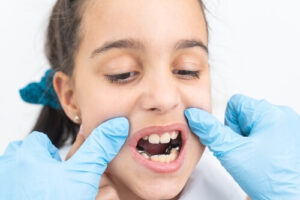
Ask Questions: Don’t hesitate to ask your orthodontist any questions or express any concerns you may have. Understanding the procedure, risks, and benefits will help you make informed decisions about your dental care.
Discuss Alternatives: Explore alternative treatment options with your orthodontist. In some cases, there may be other dental correction methods that could be more suitable for your specific situation.
Consider Timing: For children and adolescents, early intervention is often more effective in palate expansion. If recommended by your orthodontist, consider starting the treatment at the optimal age to achieve the best results.
Evaluate Personal Commitment: Be prepared for the commitment required in wearing and maintaining the palate expander. Compliance with the treatment plan is crucial for successful outcomes.
Prepare for Discomfort: Understand that some level of discomfort or soreness is normal during the initial adjustment phase of the palate expander. Over time, your mouth will adapt to the appliance.
Maintain Good Oral Hygiene: Proper oral hygiene is essential throughout the treatment. Regularly clean your palate expander and follow your orthodontist’s instructions on dental care to prevent any hygiene-related issues.
Be Patient: Palate expansion is a gradual process, and results may not be immediately noticeable. Stay patient and follow the recommended timeline for the treatment.
Attend Follow-up Appointments: Regularly scheduled follow-up appointments with your orthodontist are crucial for monitoring progress, making necessary adjustments, and addressing any concerns.
Communicate Openly: Maintain open communication with your orthodontist throughout the treatment. If you experience any issues or discomfort, don’t hesitate to share them with your dental professional.
Stay Positive: A positive mindset can significantly impact your overall experience with palate expansion. Focus on the long-term benefits and improvements in your dental health and aesthetics.
Remember that palate expander treatment is a valuable dental correction method that has benefited numerous individuals. By following these tips and working closely with your orthodontist, you can increase the likelihood of a successful and satisfying outcome.
There’s something undeniably alluring about a guy with sharp canine teeth. It’s the kind of feature that can make a person stand out in a crowd and create a unique and captivating look. But why exactly do sharp teeth in men spark such interest and intrigue? Here, we dive into the science behind this fascinating trend.
Facts about canine teeth
The canines, or the cuspids or eye teeth, are located between the four front teeth (the incisors) and the flatter bicuspids, or premolars. We have four canines: two upper and two lower. Canines tend to be a bit darker than other teeth. When young children acquire their baby teeth, the canines are among the last to erupt.
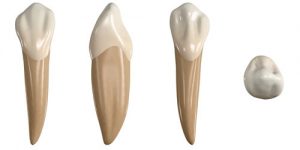
The upper canines are the longest teeth in the mouth and have the longest roots of all the teeth. The lower canines have the longest crowns, the parts of teeth that we can see above the gums.
The primary role of canines is to tear food. (Incisors are used to cut food, and bicuspids and molars grind.) Canines are part of our front teeth. Our front teeth can affect our smile and how we speak, particularly in pronouncing the “s” and “f” sounds. Our canines help anchor a nice smile.
Physical preferences in men
Prominent canine teeth, which still signify a male’s dominance and fighting ability in many primates like baboons and gorillas, may have been replaced by less aggressive teeth and looks.
Similar to those of contemporary movie stars, including Johnny Depp, Orlando Bloom, and Viggo Mortensen, broader faces with prominent cheekbones, were picked preferentially by females.
Researchers drew their conclusions after initially studying the facial features of chimps and gorillas. In most primates, males have much longer canines than females, a trait that often reflects which males are dominant. This difference was much less prominent in the chimps.
Evolutionarily speaking, men with sharp teeth held a distinct advantage over their fangless counterparts regarding survival. Canine teeth, or “fangs,” are designed to tear flesh and help with hunting, which would have been a crucial advantage in prehistoric times. As such, women may have developed an attraction to men with sharp teeth, as it was a sign that they were skilled hunters and therefore had a better chance of providing for their offspring.
Today, this biological attraction still persists on a subconscious level. Women may be drawn to men with sharp teeth without even realizing why – their brain is simply responding to cues that indicate strength and capability.
The Cultural Connotations
Beyond the biological aspects, there are also cultural connotations associated with sharp teeth. Vampires, werewolves, and other supernatural beings often possess sharp teeth, which have become a symbol of power, danger, and sexuality in popular culture. As such, men who exhibit this trait may be seen as more mysterious and alluring than their peers.
Moreover, in some cultures, modifying or recapping teeth with sharp canines is a sign of fashion or a status symbol. The tribal people of Indonesia have a tradition of sharpening their teeth, which is seen as a rite of passage and a mark of beauty.
The Visual Impact
Finally, there’s no denying the visual impact of sharp canine teeth on a guy’s appearance. They create a unique and edgy look that can make a man stand out from the crowd. It’s a striking feature that can be both daring and captivating.
Of course, not every guy with sharp teeth is automatically attractive – overall facial structure, grooming habits, and other factors also play a significant role in appearance. Nevertheless, the presence of sharp canine teeth can add a touch of intrigue and danger to a man’s appearance, making him more appealing to some.
Conclusion
So there you have it – the reasons why attractive guys with sharp canine teeth are such a captivating trend. From their evolutionary roots to their cultural connotations, there are many factors that make these men stand out. And whether you find yourself drawn to this look or not, there’s no denying that it’s an attention-grabbing feature that adds an extra layer of intrigue to a man’s overall appearance.
Have you ever noticed someone with overly sharp teeth when they smile, or is it you? You might wonder, why are my teeth so sharp? It’s an odd sight, but not one that is unheard of. There can be various reasons behind why a person has sharp teeth, many of which are caused by lifestyle choices or genetics. In this blog post, we’re going to explore the potential causes of sharp teeth and why some people may have them.
Types of Teeth
Sometimes, it can be intimidating when you are lying flat in the dentist’s chair, and you hear murmurs about issues in your incisors or that your molars have a cavity. Of course, you can always ask your dentist to explain what’s going on, but it is still essential to know the basics of your teeth. This short guide will break down the three main types of teeth, so you are never out of the loop in that dentist’s chair.
Incisors
Usually, incisors are the first adult teeth to grow after our baby teeth fall out as kids. Incisors make up most of your smile since they are the front four teeth in the top-center and bottom-center. These teeth are much thinner and help when we take an initial bite of food. These teeth are the most prevalent when you smile or talk. They are categorized as central and lateral. Central incisors are the two front teeth, and lateral incisors are adjacent to the central teeth.
Molars
Molars are the primary teeth for chewing, and there are different types of molars to distinguish. Molars are positioned further back in your mouth and have a flat surface used to eat food into small pieces. There are 12 molars, which include your wisdom teeth. Wisdom teeth are the last teeth to come into the mouth, and many get their wisdom teeth removed because they can cause issues in the jaw. Premolars sit next to your canine teeth and are the first molar teeth to come in. There are eight premolars, and they are also called bicuspids.
Canines
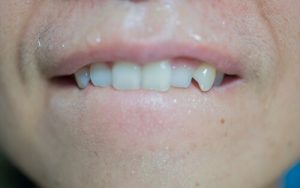
Also known as Cuspids, canines are the sharp, pointed teeth on either side of our incisors. These teeth are used to tear and rip food apart. You have four cuspids in your mouth. Two on top and two on the bottom. These are the longest and sharpest teeth, with a pointed end, and some people even refer to them as our “vampire teeth.” These teeth are used as guides for the best biting position.
Why are my teeth so sharp? : The common causes
Is there something about your smile that you don’t totally love? There might be something that you feel is keeping you from having your ideal smile, right? Patients often express their discomfort with a variety of imperfections, but one of the most common concerns we hear is regarding long, sharp canines or “vampire” teeth. ‘Why do I have it?’, might you may ask.
Orthodontic treatment
The most common cause of sharp teeth is orthodontic work. Teeth can be straightened with braces or aligners, which often result in more pointed edges as the teeth become more uniform and move into a better position. Orthodontic treatments are often seen as a permanent solution and can make the appearance of the teeth more uniform if done properly.
Genetics
Another potential reason for sharp teeth could be due to genetics. Some people may just naturally have sharper teeth than others because of the shape of their jaw or genetic predispositions to certain facial features. This could explain why some siblings have different-looking smiles even if they had the same orthodontic treatments from childhood onward.
Your food choices
In addition, lifestyle choices such as eating hard foods like candies or crunching on ice cubes can also contribute to making tooth edges sharper over time.
Bruxism
Individuals who frequently grind their teeth at night may also find that their enamel becomes weaker over time leading to spikes in certain areas which give off an overall sharper impression when smiling.
Overall, there are numerous potential factors that could lead to persons having very sharp-looking teeth, some of which are within our control, while others may be due to our genes or habits we’ve picked up along the way. If you notice somebody with excessively sharp-looking pearly whites, you now know that it could be down to a variety of sources – genetics, orthodontic work, food choices, and even teeth grinding!
Treatments to minimize pointy teeth
Having abnormally sharp teeth can cause a variety of problems, from difficulty eating and speaking to embarrassment in social situations. Fortunately, dentists have a variety of techniques they can use to help correct sharp canine teeth and make them look more natural.
Orthodontic treatments
In the most extreme cases, orthodontic braces may be used to reposition overly sharp teeth carefully. Orthodontic treatments may involve both braces and specific types of archwires that are designed to move the teeth into their desired position over time gently. Braces can take anywhere from several months to two years or more, depending on the severity of your condition.
Cosmetic dentistry
If you’re looking for a less invasive option, cosmetic crowns or veneers might be just what you need. Crowns can completely cover sharp teeth, creating an even surface with smooth contours for improved aesthetics and comfort when biting and chewing. Veneers are thin shells made from porcelain or composite resin which are permanently professionally bonded to the front surface of the tooth. Both crowns and veneers can permanently alter the shape, size, length, and color of abnormally shaped sharp teeth in order to create a more natural look.
Dental bonding
Additionally, bonding is another option for improving the aesthetics associated with the overly sharp edge of teeth and is generally performed in one visit as it does not require as much preparation as either crowns or veneers would need. Bonding works by applying composite resin directly onto the surface of your tooth, which is then sculpted into shape before being polished smooth. This technique provides a quick fix without any long-term commitment or expensive treatments, like braces or crowns may require, although it needs regular touch-ups since it has been known to chip off over time if not maintained properly.
No matter what kind of issue you may have with your sharp teeth, there are always solutions available that a dentist in Pennant Hills at Beyond 32 Dental clinic may recommend depending on your individual needs and preferences. As long as you visit a qualified dental professional for consultation and advice, you’ll find that there is something that can be done to help correct abnormal sharp teeth once and for all!


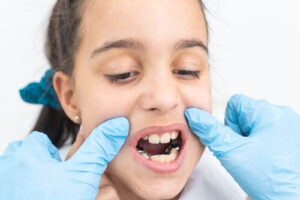 The palatal expander, a critical orthodontic device, is pivotal in widening the upper jaw and rectifying dental misalignments. However, like any dental appliance, there’s the potential for it to become loose or dislodged. Understanding the implications and necessary steps to take in such situations is crucial for ensuring the continued effectiveness of the treatment.
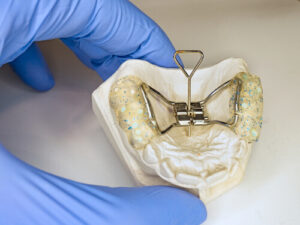 Certainly, a palate expander can influence the structures within the nasal cavity due to its design to widen the upper jaw. As the expander applies pressure to the palate, it can sometimes lead to changes in the nasal passages.



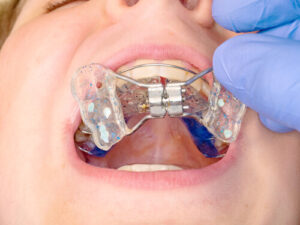 Improve Breathing and Airway: A narrow palate can lead to breathing difficulties and obstructed airways. Expanding the upper jaw can help alleviate these problems, especially in cases of mild to moderate sleep apnea or mouth breathing.
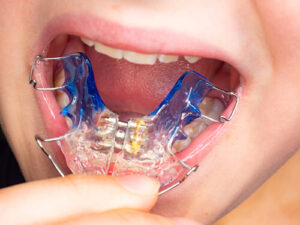 Non-compliance: Patient cooperation is essential for successful palate expansion. If the patient fails to follow the dentist’s instructions, such as not turning the expander as directed or not wearing it consistently, the treatment may not yield the desired results.
 Ask Questions: Don’t hesitate to ask your orthodontist any questions or express any concerns you may have. Understanding the procedure, risks, and benefits will help you make informed decisions about your dental care.
 The upper canines are the longest teeth in the mouth and have the longest roots of all the teeth. The lower canines have the longest crowns, the parts of teeth that we can see above the gums.
 Evolutionarily speaking, men with sharp teeth held a distinct advantage over their fangless counterparts regarding survival.
  Finally, there’s no denying the visual impact of sharp canine teeth on a guy’s appearance. They create a unique and edgy look that can make a man stand out from the crowd. It’s a striking feature that can be both daring and captivating.
 Also known as Cuspids, canines are the
 Overall, there are numerous potential factors that could lead to persons having very sharp-looking teeth, some of which are within our control, while others may be due to our genes or habits we’ve picked up along the way. If you notice somebody with excessively sharp-looking pearly whites, you now know that it could be down to a variety of sources – genetics, orthodontic work, food choices, and even teeth grinding!
 If you’re looking for a less invasive option, cosmetic crowns or veneers might be just what you need. Crowns can completely cover sharp teeth, creating an even surface with smooth contours for improved aesthetics and comfort when biting and chewing. Veneers are thin shells made from porcelain or composite resin which are permanently professionally bonded to the front surface of the tooth. Both crowns and veneers can permanently alter the shape, size, length, and color of abnormally shaped sharp teeth in order to create a more natural look.


