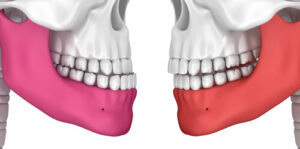
The concept of overbite sleep apnea illuminates a compelling intersection between orthodontic conditions and sleep disorders, challenging the conventional understanding of sleep-related breathing issues. An overbite, characterized by the upper teeth significantly overlapping the lower teeth, can have far-reaching effects beyond mere dental aesthetics, potentially exacerbating or even contributing to the development of sleep apnea.
This article explores how an overbite can affect airway obstruction during sleep, presenting a nuanced exploration of the symptoms, diagnosis, and treatment options available. Join us as we unravel the intricate relationship between an overbite and sleep apnea, offering insights into effective management strategies for those seeking relief and improved sleep quality.
The Intriguing Link Between Overbite and Sleep Apnea
The intriguing link between overbite and sleep apnea highlights a complex interaction between dental structure and sleep quality. An overbite, where the upper teeth significantly overlap the lower teeth, can affect the jaw’s positioning and, subsequently, the airway’s openness during sleep. This structural misalignment often leads to airway obstruction, a key factor in developing sleep apnea, which is characterized by repeated breathing pauses while sleeping.
Airway Obstruction
The forward positioning of the upper jaw in individuals with an overbite can narrow the airway, making it more susceptible to collapsing during deep sleep, interrupting normal breathing patterns, and contributing to sleep apnea symptoms.
Sleep Apnea Symptoms
Those with an overbite may experience common sleep apnea symptoms, including loud snoring, daytime fatigue, and disrupted sleep. These symptoms can significantly impact overall health and quality of life.
Orthodontic Treatment
Addressing an overbite with orthodontic treatment can improve oral aesthetics and potentially alleviate sleep apnea symptoms by improving airway alignment, offering a dual benefit to affected individuals.
Comprehensive Approach
For effective management, a multi-disciplinary approach involving dentists, orthodontists, and sleep specialists is often required to tailor treatment plans that address overbite and sleep apnea, enhancing sleep quality and health.
Understanding Overbite: Causes and Effects on Oral Health
Understanding the causes and effects of an overbite on oral health is essential for recognizing the need for timely intervention and treatment with a dentist at ADC Campbelltown Dental Care clinic. An overbite, characterized by the upper front teeth protruding beyond the lower front teeth, can arise from a variety of factors and has significant implications for an individual’s oral health and overall well-being.
Genetic Factors: The jaw and teeth alignment structure is often inherited, making an overbite a common hereditary condition.
Habits in Childhood: Prolonged habits during childhood, such as thumb sucking, excessive pacifier use, and tongue thrusting, can encourage the development of an overbite by pushing the upper teeth forward.
Effects on Oral Health: An overbite can complicate oral hygiene, making it harder to clean between and around the teeth properly. This increases the risk of tooth decay and gum disease and can contribute to tooth wear. It can also lead to difficulty speaking and chewing and jaw pain and may exacerbate conditions like sleep apnea by affecting the airway.
Aesthetic Concerns: Beyond health implications, an overbite can affect an individual’s appearance and self-esteem, leading to social or psychological discomfort.
Sleep Apnea Demystified: Symptoms, Risks, and Diagnosis
Sleep apnea, a condition characterized by breathing difficulties during sleep, remains a significant concern due to its elusive nature and serious health implications. Demystifying sleep apnea involves understanding its symptoms, recognizing the risks it poses, and the process involved in its diagnosis, which is crucial for effective management and treatment.
Symptoms of Sleep Apnea
The most common indicators include loud snoring, sudden awakenings with a gasping or choking sensation, excessive daytime sleepiness, morning headaches, trouble sleeping, and difficulty concentrating during the day.
Risks Associated with Sleep Apnea
Beyond the immediate impact on sleep quality, untreated sleep apnea can lead to more severe health issues, such as high blood pressure, heart disease, diabetes, and increased risk of stroke. It can also affect mental health, contributing to depression and anxiety.
Diagnosis Process
Diagnosing sleep apnea typically involves a comprehensive evaluation, including a review of medical history, symptoms, and a physical examination. An overnight sleep study, or polysomnography, is often required to monitor breathing, brain activity, and other body functions during sleep, providing definitive evidence of the condition.
Types of Sleep Apnea
Understanding the different forms—obstructive, central, and complex sleep apnea—is essential for tailoring treatment. Obstructive sleep apnea, the most common form, is caused by physical airway blockage, while central or complex sleep apnea syndrome results from the brain failing to signal the muscles to breathe.
How an Overbite Can Contribute to Sleep Apnea: The Mechanism Explained
The link between an overbite and sleep apnea is critical to understanding how dental structures can impact breathing patterns during sleep. An overbite, where the upper front teeth extend significantly over the lower teeth, can contribute to sleep apnea by affecting the airway’s openness and functionality.
Airway Obstruction
The primary mechanism by which an overbite contributes to sleep apnea involves the jaw’s positioning and the resultant impact on the airway. An overbite can cause the lower jaw to recede slightly, reducing the space in the oral cavity and narrowing the throat and nasal passages, leading to airway obstruction during sleep.
Soft Tissue Compression
With the lower jaw pushed backward, the tongue and other soft tissues are more likely to fall back into the throat. This compression further restricts airflow, contributing to the characteristic breathing pauses of sleep apnea.
Altered Breathing Patterns
The restriction in airflow forces individuals to reduce snoring and adopt mouth breathing, which is less efficient and can exacerbate sleep apnea symptoms. Mouth breathing also reduces the natural protective mechanisms of nasal breathing, leading to drier and more irritated oral and throat tissues.
Impact on Sleep Quality
The disruptions in breathing associated with an overbite-induced sleep apnea lead to fragmented sleep and reduced oxygen levels in the blood, significantly impacting overall sleep quality and increasing the risk of systemic health issues.
Treatment Options: Addressing Overbite to Improve Sleep Apnea
Addressing an overbite to improve sleep apnea involves a range of treatment options to correct dental alignment and facilitate better breathing patterns during sleep apnea. An overbite can narrow the airway, making obstructive sleep apnea symptoms more pronounced.
Orthodontic Treatments: Braces or clear aligners can correct an overbite by realigning the teeth and jaw into a more favorable position, potentially easing the airway obstruction contributing to sleep apnea.
Oral Appliances: Custom-fitted dental devices can help position the jaw forward during sleep, enlarging the airway and reducing the risk of obstruction. These appliances are particularly useful for mild to moderate sleep apnea and those with an overbite.
Surgery: In severe cases where orthodontic treatments or oral appliances are insufficient, surgical options like maxillomandibular advancement (MMA) may be considered to physically alter the jaw structure physically, providing a more permanent solution to both overbite and sleep apnea.
Lifestyle Changes: Incorporating lifestyle changes, such as weight management and positional therapy, can complement dental treatments by reducing sleep apnea symptoms.
Continuous Positive Airway Pressure (CPAP): Although not a direct treatment for sleep apnea that occurs by overbite, CPAP therapy can be used alongside dental treatments to ensure the airway remains open during sleep, providing immediate relief from sleep apnea symptoms.
Beyond Treatment: Lifestyle Changes and Preventive Measures
Beyond the scope of direct treatments for conditions like overbite and sleep apnea, adopting lifestyle changes and preventive measures plays a critical role in enhancing treatment outcomes and safeguarding overall health.
Weight Management: Maintaining a healthy weight can significantly reduce the risk of sleep apnea by decreasing the amount of fatty tissue that might narrow the airway, especially in the neck.
Sleep Position: Altering the position to avoid lying on the back can help reduce the likelihood of airway obstruction during sleep, improve sleep quality, and alleviate sleep apnea symptoms.
Avoidance of Alcohol and Sedatives: Reducing the intake of alcohol and sedatives before bedtime can prevent the excessive relaxation of throat muscles, which can contribute to airway obstruction and sleep apnea.
Regular Exercise: Regular physical activity can improve overall physical health, specifically support weight management, and reduce the severity of sleep apnea symptoms.
Healthy Diet: A nutritious diet supports general health and can aid in weight management, indirectly affecting conditions related to excess weight, such as overbite and sleep apnea.
Oral Health Care: Consistent oral hygiene practices, including brushing, flossing, and regular dental check-ups, prevent dental issues like overbite from worsening and contributing to sleep-related breathing disorders.
In conclusion, exploring the connection between overbite and sleep apnea reveals significant insights into how this orthodontic condition can impact sleep quality and overall health. Understanding and addressing overbite sleep apnea is crucial for those affected, as proper treatment with Sleep Clinic Melbourne can substantially improve both breathing during sleep and oral health. Through a combination of dental and medical interventions and lifestyle adjustments, individuals can find relief from sleep apnea symptoms and enjoy a better quality of life. Recognizing the importance of early diagnosis and comprehensive care is key to effectively managing overbite sleep apnea.
References
Do dental parameters predict the severity of obstructive sleep apnea and mandibular advancement device therapy outcomes? A pilot study
https://pubmed.ncbi.nlm.nih.gov/36357333/
A Decision Rule for Diagnostic Testing in Obstructive Sleep Apnea | American Journal of Respiratory and Critical Care Medicine
Do you or your child need a tip on a palate expander but need help turning properly? Look no further! This article will discuss the ins and outs of turning a palate expander, ensuring that you or your loved one achieve the desired results. Stay tuned for step-by-step instructions and valuable tips on effectively using a palate expander for optimal oral health.
Understanding the Purpose of Palatal Expanders
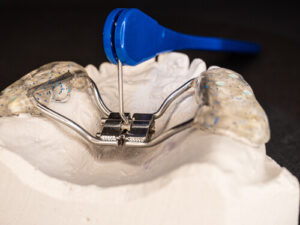
A palate expander, or palatal expander, is used in orthodontic treatment to widen the upper jaw (maxilla) when it is too narrow, correcting issues such as crowded upper teeth below, crossbites, or a misaligned dental arch. This expansion is possible due to the palatal suture in the roof of the mouth, which is more flexible in children and young adolescents, allowing the two halves of the upper jaw to be gradually separated and realigned.
Types of Palate Expanders: Several types include the rapid palatal expander (RPE) for quick adjustments and removable palate expanders for less severe cases.
Mechanism of Action: The device applies gentle but firm pressure on the palatal bones with each turn of the expander key, gradually widening the upper arch.
Procedure for Activation: Typically involves inserting a key into the expander and turning it as directed by an orthodontist to gradually widen the upper jaw, creating more space for teeth alignment.
Duration of Treatment: The treatment duration varies but usually involves a few months of active expansion followed by a retention period to stabilize the expansion.
Minor Discomfort and Adjustment: Initial use can cause minor discomfort, pressure, and speech adjustments as the mouth adapts to the expander.
Benefits: Correct dental issues like crossbites and overcrowding, potentially avoiding tooth extractions and creating a more aesthetically pleasing and functional bite.
Post-Treatment Care: Maintaining good oral hygiene and following the orthodontist’s instructions for care and adjustment are crucial for the success of the treatment.
Step-by-Step Instructions for Turning a Palate Expander
Turning a palate expander is critical in orthodontic treatment to correct a narrow upper jaw and improve dental alignment. This procedure requires careful attention to detail and adherence to your orthodontist’s instructions to ensure effectiveness and minimize discomfort.
Understand the Mechanism: Familiarize yourself with how your palate expander works. Most expanders have a central screw connected to bands around the molars, which gradually separates the two halves of the upper jaw when adjusted.
Adopt the Correct Position: Position yourself or your child in a well-lit area with a mirror to see the expander and keyhole. The patient should open their mouth wide to access the expander fully.
Follow Instructions: Carefully follow the turning instructions provided by your orthodontist, including the direction and number of turns. Typically, the key is inserted into the hole and pushed towards the back of the mouth or according to the specific design of the expander.
Locate the Keyhole: Begin by identifying the keyhole in the palate expander. It’s usually located in the middle of the appliance and accessible through the mouth.
Insert the Key: Gently insert the key provided by your orthodontist into the keyhole. Ensure the key is fully inserted to engage the mechanism properly.
Turn the Key: Once the key is in place, rotate it in the direction instructed by your orthodontist, typically towards the back of the mouth. This action widens the expander by a small, precise amount.
Complete the Rotation: Continue turning the key until it reaches its full rotation, and you can see the next hole appear. This indicates that the turn is complete.
Remove the Key: Carefully withdraw the key from the expander, ensuring that it does not reverse the turn you just made.
Repeat as Directed: Follow your orthodontist’s schedule for turning the expander, which may involve daily or multiple times-a-week adjustments.
Maintain Oral Hygiene: Clean the expander by brushing around it and using water or mouthwash to flush out any food particles. Good oral hygiene practices are essential to prevent infection and ensure the health of your gums and teeth during treatment.
Monitor for Discomfort: While some pressure and discomfort are normal after turning the expander, severe pain should be reported to your orthodontist. They may adjust the treatment plan or provide advice on managing pain.
Tips for Minimizing Discomfort During Adjustments
Minimizing discomfort during palate expander insertion and adjustments is crucial for a tolerable and successful orthodontic treatment experience. Patients can significantly reduce any pain or discomfort associated with turning the expander by employing specific strategies.
Use Analgesics: Over-the-counter pain relievers, taken according to your doctor’s advice, can alleviate pain shortly before and after making adjustments.
Apply Ice Packs: Cold compresses or ice packs applied to the cheeks can reduce inflammation and numb the area, relieving discomfort.
Practice Good Oral Hygiene: Keeping the mouth clean with gentle brushing and mouthwash can prevent irritation and infection that might exacerbate discomfort.
Rinse with Salt Water: A warm salt water rinse can soothe the oral tissues and promote healing, especially after adjusting.
Use Orthodontic Wax: Applying dental wax to any parts of the expander that may irritate the inside of the mouth can provide a protective barrier and reduce soreness.
Stay Hydrated: Drinking plenty of water helps keep the mouth moist, reducing the risk of irritation and aiding overall comfort.
Schedule Adjustments for Convenient Times: Planning adjustments for times when you can rest and relax afterward, such as in the evening, can help manage discomfort more effectively.
Tracking Your Progress: What to Expect
Tracking progress with a palate expander is an essential aspect of orthodontic treatment, providing patients and orthodontists with valuable insights into the device’s effectiveness.
Visual Changes: Patients may notice a gap forming between their front teeth, indicating that the expander widens the upper jaw.
Orthodontic Appointments: Regular check-ups allow the orthodontist to assess the expansion’s progress and make necessary adjustments to the treatment plan.
Improved Bite Alignment: Over time, as the upper jaw widens, patients will see improvements in how their upper and lower teeth fit together, addressing crossbites.
Photographic Documentation: Orthodontists may take periodic photos of the inside of the mouth to document the changes and compare them over time visually.
Measurement of Expansion: Specialized dental tools can measure the degree of expansion achieved, providing a quantitative assessment of progress.
Patient Feedback: Personal observations and feedback about changes in oral function, appearance, and comfort level are important progress indicators.
When to Contact Your Orthodontist: Signs of Concern
When undergoing treatment with braces or a palate expander, recognizing signs that necessitate contacting your orthodontist is crucial for ensuring the health and success of your treatment.
Excessive Pain or Discomfort: While some discomfort is normal, intense or prolonged pain could indicate improper adjustment or pressure on the teeth and jaw.
Difficulty Turning the Expander: If the key does not seem to fit or you cannot complete a turn as instructed, it may suggest a malfunction or misalignment of the expander.
Signs of Infection or Unusual Swelling: Any signs of infection around the expander, such as excessive swelling, redness, or discharge, require immediate attention.
Loose or Broken Components: A loose band or broken part of the expander can compromise the treatment and potentially harm your mouth or teeth.
Impeded Speech or Breathing: Although some adjustment period is normal, significant persistent difficulty speaking or breathing may need orthodontic adjustment.
In conclusion, understanding how to turn a palate expander is essential for successful orthodontic treatment. By carefully following your orthodontist’s instructions and consistently adjusting the two removable palate expanders, you can effectively widen your palate and create more room for the proper alignment of your teeth. Remember to be patient and consistent in achieving the best results. If you have any questions or concerns about turning your palate expander, don’t hesitate to contact your orthodontist for guidance.
If you’ve ever wondered about the transformative effects of a palate expander, look no further. In this article, we delve into the intriguing concept of palate expanders before and after. Whether you’re considering this orthodontic treatment or simply curious to witness its astounding results, prepare to be captivated by the remarkable changes that occur.
Discover how a palate expander can reshape your smile, enhance oral health, and improve overall well-being. Let’s embark on an enthralling journey of transformation together.
Understanding the Purpose and Function of a Palate Expander
A palate expander is a key orthodontic appliance used to widen the upper jaw (maxilla) and narrow the palate in cases where the upper arch is too narrow compared to the lower jaw. Understanding its purpose and function is crucial for those undergoing or considering orthodontic treatment.
Detailed Overview of Palate Expander Functionality:
Correcting Narrow Palates: The primary function of a palate expander is to widen a narrow upper jaw. This is often necessary in children and adolescents whose palatal bones are not fully fused.
Resolving Bite Problems: By expanding the upper jaw, a palate expander helps correct bite problems such as a crossbite, where the upper teeth bite inside the lower teeth and overcrowding.
Creating Space for Teeth: In crowded teeth, expanders create more room in the mouth, reducing the need for tooth extractions and preparing the jaw for further orthodontic treatment like braces.
Promoting Better Oral Health: A well-aligned upper jaw improves oral health by making teeth easier to clean, reducing the risk of decay and gum disease.
Improving Breathing and Speech: Expansion of the upper jaw can also help improve breathing, especially in patients with sleep apnea or breathing difficulties, and enhance speech clarity.
How Palate Expanders Work: The device applies gradual pressure to the palatal bones, encouraging them to move apart along the mid-palatal suture. This process stimulates new bone growth, leading to a widened upper arch.
Types of Palate Expanders: Several types of expanders include fixed (bonded to the teeth) and removable models. The type used depends on the patient’s needs and the orthodontist’s recommendation.
Preparing for Palate Expansion: What to Expect Before the Procedure
Preparing for palate expansion is crucial in ensuring a smooth and effective orthodontic treatment process. Understanding what to expect before this procedure can help patients and their families feel more informed and at ease.
Key Preparatory Steps and Expectations:
Initial Consultation and Assessment: The process begins with an orthodontic consultation, where the orthodontist evaluates the patient’s oral health, the alignment of the teeth, and the jaw structure. This may include taking X-rays and dental impressions to assess the need for expansion and plan the treatment.
Understanding the Treatment Plan: The orthodontist will explain the specific reasons for palate expansion, the type of expander to be used, the duration of treatment, and the expected outcomes. This is a good time for patients to ask questions and understand the process fully.
Customization of the Palatal Expander: Based on the initial assessment, a custom expander is designed to fit the patient’s mouth. This may involve choosing between a removable or fixed expander and tailoring it to the patient’s specific anatomical needs.
Preparation for Placement: Patients may need a dental cleaning or other preparatory procedures before placing the expander. Good oral hygiene is emphasized to ensure a clean and healthy environment for the appliance.
Educating on Usage and Care: Patients and their guardians are educated about how to use and care for the expander, including how to turn the expansion screw and how to clean the appliance.
Setting Realistic Expectations: Understanding that discomfort, pressure, and initial speech difficulty are normal after the expander is placed is important. The orthodontist will provide tips on managing these initial sensations.
Scheduling Regular Follow-ups: Regular appointments will be scheduled to monitor progress and adjust the expander as needed.
The Process of Palatal Expansion: A Step-by-Step Guide
Palatal expansion is a detailed orthodontic process to widen the child’s upper jaw to correct bite issues and create more space for teeth. Understanding this process step-by-step can help patients and their families prepare for and navigate the treatment with clarity.
Detailed Guide to the Palatal Expansion Process:
Expander Customization and Installation: The orthodontist customizes the palatal expander to fit the patient’s mouth. This appliance is then securely installed onto the upper teeth as a removable or fixed device.
Adjustment Period: After installation, there’s an adjustment period where the patient gets accustomed to the presence of the expander in their mouth. This period may involve learning to eat and speak with the appliance.
Activation of the Expander: The key part of palatal expansion involves the gradual activation of the expander. This is typically done by turning a screw on the appliance, as instructed by the orthodontist, to apply gentle pressure on the upper jaw bones.
Duration of Treatment: The active expansion phase usually lasts a few weeks to months, depending on the case. The orthodontist will determine the duration based on the patient’s progress.
Stabilization Phase: Once the desired expansion is achieved, the expander remains in place for several months to stabilize the new bone growth in the expanded palate.
Post-Expansion Evaluation: After the stabilization phase, the orthodontist evaluates the results. Additional orthodontic treatments, like braces, may follow to align the teeth further and refine the bite.
Removal of the Expander: The expander is carefully removed, marking the end of the palatal expansion process.
Common Experiences and Challenges During Palate Expansion
Undergoing palatal expansion is a significant orthodontic procedure with various common experiences and challenges. Familiarizing oneself with these can help better prepare for and manage the process.
Overview of Common Experiences and Challenges:
Initial Discomfort: Upon installing the palatal expander, patients experience discomfort and pressure, especially after adjustments when the expander is activated.
Speech Alteration: The appliance in the mouth can temporarily affect speech, causing a lisp or slight changes in pronunciation. This usually improves as the patient adjusts to the expander.
Increased Salivation: The expander can stimulate excess saliva production initially, which generally subsides as the mouth gets used to the appliance.
Eating Difficulties: Adjusting to eating with a palatal expander can be challenging. Soft foods and avoiding sticky or hard foods are recommended during the initial days.
Oral Hygiene Efforts: Maintaining oral hygiene becomes more challenging with an expander. It requires diligent brushing and, in some cases, using special cleaning aids to keep the appliance and teeth clean.
Mild Pain During Adjustments: Turning the screw for adjustments may cause mild pain or a sensation of pressure. This is normal and typically brief, but pain relief methods like over-the-counter pain relievers can be used if needed.
Gap Formation Between Front Teeth: A temporary gap between the front teeth may appear as the palate expands. This process is normal and usually closes naturally or with further orthodontic treatment.
Notable Changes and Benefits Observed After Palatal Expansion
After completing palatal expansion, patients often experience significant changes and benefits impacting their oral health and overall facial structure. Understanding these outcomes can encourage those undergoing palatal expanders or considering the procedure.
Key Changes and Benefits Post-Expansion:
Improved Dental Alignment: One of the most noticeable changes is improved dental alignment. The expansion creates more space in the upper jaw, allowing crowded teeth to align properly, reducing or eliminating the need for tooth extractions.
Increased Space for Permanent Teeth: In children and adolescents, the expansion provides adequate space for the eruption of adult teeth, potentially preventing future impaction and complex orthodontic treatments.
Enhanced Aesthetics: The procedure can result in a broader, more balanced smile, enhancing facial aesthetics. This can lead to increased confidence and self-esteem, especially in young patients.
Improved Breathing: By widening the upper jaw, palatal expansion can improve nasal breathing in some patients, especially those with a narrow upper jaw impacting their airway.
Reduced Risk of Oral Health Issues: The ability to better maintain dental hygiene with properly aligned teeth can decrease the risk of cavities and gum disease.
Stabilization of Orthodontic Results: Post-expansion, the changes in jaw structure are stabilized, ensuring long-lasting orthodontic benefits and preventing regression.
Long-term Effects and Maintenance Post-Expansion
The long-term effects of palatal expansion and the importance of maintenance post-expansion are crucial considerations for sustained orthodontic health. After the active phase of orthodontics expansion, understanding and managing these aspects can ensure the longevity of the treatment’s benefits.
Detailed Insights into Long-term Effects and Maintenance:
Stabilization of Jaw Structure: One of the most significant long-term effects is widening the upper jaw. The bone formed during the expansion process stabilizes, maintaining the new arch width.
Retention Phase: Following palatal expansion, most patients enter a retention phase. This often involves wearing a retainer to ensure the teeth and jaw remain in their new positions while the bone solidifies.
Regular Orthodontic Check-Ups: Ongoing check-ups with the orthodontist are essential. These appointments allow for monitoring the expansion’s stability and the overall health of the teeth and jaw.
Continued Oral Hygiene: Good oral hygiene practices, including regular brushing and flossing, remain crucial. Proper care of the teeth and gums helps prevent decay and gum disease, which could compromise expansion results.
Potential Need for Further Orthodontic Treatment: Some patients may require additional orthodontic treatments, such as braces, to fine-tune their bite and alignment post-expansion.
Awareness of Possible Dental Shifts: Long-term vigilance is important as there can be slight shifts in dental alignment over time. Retention practices play a key role in minimizing these changes.
Impact on Facial Aesthetics: The expansion can result in subtle changes to facial aesthetics, often leading to a broader smile and improved balance in facial features.
Comparing Before and After Dental Alignment and Facial Structure Changes
The transformation achieved through palatal expansion is not limited to dental alignment but extends to noticeable changes in facial structure. Comparing the before and after states can highlight the comprehensive impact of this orthodontic intervention.
Comparison of Dental and Facial Changes:
Dental Alignment Improvements: Initially, patients may have crowded or misaligned teeth due to insufficient space in the upper jaw. Post-expansion, there’s a noticeable improvement in alignment, with teeth having adequate room to position properly. This can significantly enhance the functionality of the bite and overall oral health.
Correction of Crossbites and Overbites: Before expansion, many patients exhibit crossbites or overbites, where the upper teeth improperly overlap the lower teeth. After treatment, the bite becomes more balanced and functional, reducing the risk of jaw pain and wear on teeth.
Facial Symmetry and Aesthetics: The broadening of the upper jaw can lead to subtle yet significant changes in facial aesthetics. The face may appear more symmetrical and balanced, contributing to a more harmonious facial appearance.
Changes in Nasal Structure: Palatal expansion can sometimes lead to changes in the nasal area due to the close anatomical relationship. This may result in improved airway space and breathing.
Long-term Stability: Post-treatment, the new dental alignment and facial structure changes are typically stable, especially with proper retention practices. This ensures that the aesthetic and functional improvements are long-lasting.
In conclusion, a palate expander can offer significant benefits before and after usage. It can effectively widen the upper palate and jaw, improve dental alignment, enhance proper breathing, and address various functional issues. This orthodontic device is designed to provide a comfortable solution for individuals seeking to correct their dental architecture. From enhancing oral health to achieving a confident smile, patients can experience remarkable improvements thanks to the versatility and effectiveness of a palate expander.
Have you ever wondered if a gummy smile is considered attractive? This intriguing question has captivated the attention of many individuals seeking to understand the nuances of beauty and aesthetic preferences.
In this article, we delve into the fascinating realm of gummy smiles to explore whether showcasing more of your gumline can be considered attractive. Join us as we navigate this captivating topic’s various perspectives and insights.
Exploring the Perception of Gummy Smiles in Society
The perception of gummy smiles in society is a topic that garners diverse opinions and feelings. While beauty standards vary across cultures and individuals, gummy smiles – characterized by an excessive gingival display of lips – often spark debate regarding their aesthetic appeal.
Cultural and Societal Influences:
The perception of gummy smiles varies significantly across different cultures and societies. In some, a prominent display of gums when smiling is considered charming and attractive, while in others, it may be seen less favorably.
Influence on Self-Esteem and Confidence:
Individuals with gummy smiles often experience mixed feelings about their appearance. For some, it can be a source of self-consciousness, affecting their self-esteem and confidence, especially in social situations.
Dental and Cosmetic Perspectives:
From a dental standpoint, gummy smiles are often associated with conditions like a hyperactive upper lip, enlarged gum tissue, or issues with the upper jaw. Dental professionals might view them as a cosmetic concern, sometimes recommending treatments like orthodontic adjustments, lip repositioning surgery, or crown lengthening.
Changing Beauty Standards:
The concept of an attractive smile is evolving. With increasing recognition of beauty in diversity and the push against conventional beauty standards, more people are beginning to embrace varied smile aesthetics, including gummy smiles.
Impact of Media and Celebrity Influence:
Media portrayals and celebrity trends often influence public perception of what constitutes an attractive smile. Celebrities embracing their gummy smiles can shift societal views towards greater acceptance and appreciation.
The impact of a gummy smile on an individual’s psyche is significant. Feeling attractive and confident in one’s smile is crucial to overall mental well-being and social interactions.
Psychological Impact of Having a Gummy Smile
The psychological impact of having a gummy smile can be significant, influencing an individual’s self-perception and social interactions. While reactions to a gummy smile vary among individuals, understanding its potential effects on mental and emotional well-being is essential.
Self-Consciousness and Social Anxiety: Many individuals with gummy smiles may feel self-conscious, particularly in social situations or when photographed. This self-awareness can escalate to social anxiety, affecting personal and professional relationships.
Influence on Self-Esteem: A gummy smile can impact self-esteem, especially if the individual perceives it as a deviation from societal beauty norms. This can lead to feelings of inadequacy and low self-worth.
Body Image Issues: Persistent concerns about a gummy smile can contribute to broader body image issues. For some, it becomes a focal point of their physical insecurities, overshadowing their overall appearance.
Impact on Smiling and Expression: Those conscious of their gummy smiles might restrain themselves from smiling freely, affecting their natural expression of joy and happiness.
Cultural and Societal Perceptions: The cultural context plays a significant role. In cultures where gummy smiles are less accepted, individuals might experience more psychological distress compared to cultures where such smiles are celebrated.
Potential for Bullying or Teasing: Particularly in younger individuals, having a gummy smile can sometimes lead to bullying or teasing, which can have long-term effects on confidence and self-image.
Seeking Cosmetic Correction: The desire to alter a gummy smile through cosmetic dentistry often stems from these psychological effects. The decision to undergo treatment is frequently motivated by the desire to improve mental and emotional well-being rather than just physical appearance.
Dental Perspectives on Gummy Smiles and Oral Health
From a dental perspective, gummy smiles, characterized by an excessive gingival display, are often examined for their aesthetic implications and potential impact on oral health. Dental professionals assess the gummy smile treatment and smiles based on various factors, including gum health, tooth exposure, and overall oral functionality.
Gingival Health Assessment: Dentists first evaluate the health of the gums. A gummy smile may sometimes be associated with gingival hypertrophy or other gum diseases, impacting oral health.
Underlying Causes: Dental professionals explore the underlying causes of a gummy smile, such as hyperactive upper lip muscles, the vertical growth of the upper jaw, or altered passive eruption of teeth. Understanding the cause is crucial for appropriate treatment planning.
Tooth Exposure and Wear: Excessive gingival display can sometimes conceal tooth wear or uneven tooth lengths, which dentists assess for potential treatments.
Orthodontic Considerations: Orthodontists may evaluate how a gummy smile affects bite and alignment. In some cases, orthodontic treatment can help reposition teeth and reduce gingival display.
Impact on Oral Hygiene: Excessive gum tissue can make oral hygiene more challenging, potentially leading to an increased risk of periodontal issues. Dentists often provide tailored oral hygiene advice for patients with gummy smiles.
Aesthetic Treatments and Oral Health: When considering cosmetic treatments for a gummy smile, such as gingivectomy or lip repositioning, dentists also weigh the impact on oral health, ensuring that procedures do not compromise dental function.
Patient Comfort and Self-Perception: Beyond aesthetics, dental professionals consider the patient’s comfort and self-perception. They address any psychological impacts due to the gummy smile, offering solutions that align with the patient’s desires and health needs.
Cosmetic Treatments for Altering a Gummy Smile
Cosmetic treatments for altering a gummy smile have become increasingly popular, allowing individuals to modify their smiles for aesthetic reasons. These treatments range from minimally invasive procedures to more complex surgical interventions, each tailored to address different perceptions of specific aspects of a gummy smile.
Botox Injections: A common non-surgical option, Botox injections can temporarily reduce the elevation of the upper lip, thereby lessening the gingival display when smiling.
Lip Repositioning Surgery: This procedure involves repositioning the lip to reduce the gum shown. It’s often chosen for its more permanent results compared to Botox.
Gingivectomy and Crown Lengthening: These procedures involve removing a portion of the gum tissue to expose more teeth or reshaping the gum and bone tissue to create a more balanced smile.
Orthodontic Treatment: In some cases, orthodontic treatments like braces or Invisalign can help reposition the teeth and jaw, thereby reducing the appearance of a gummy smile.
Orthognathic Surgery: For severe cases, particularly where jaw misalignment is a factor, orthognathic surgery can be performed to reposition the jaw and achieve a more aesthetically pleasing smile.
Dental Veneers: Veneers, thin shells placed over the front of the teeth, can be used to alter the appearance of the teeth, making them appear longer and reducing the gums’ prominence.
Individualized Treatment Plans: Treatment choice depends on the individual’s specific dental structure, the degree of gingival display, and personal preferences. A comprehensive cosmetic dentist or oral surgeon evaluation is essential to determine the best course of action.
In conclusion, addressing a gummy smile is crucial for women and individuals seeking to enhance their facial aesthetics. Many individuals perceive a gummy smile as less attractive, impacting their self-confidence. However, advancements in cosmetic dentistry offer effective and minimally invasive treatments to correct this issue. By opting for procedures like gum contouring or Botox injections, individuals can achieve a more balanced and appealing smile. Consulting with a qualified dentist or cosmetic surgeon will help determine the most suitable approach for each individual’s needs. Addressing a gummy smile can significantly improve one’s overall appearance and boost self-esteem.
References
Orthodontic Treatment of a Gummy Smile: A Case Report
Exploring the unique aspects of facial aesthetics, the concept of an attractive slight overbite has garnered attention in dental and beauty circles. This article delves into the nuances of how a slight overbite can impact overall facial appeal, blending dental perspectives with aesthetic considerations. Join us as we examine why and how a subtle overbite might be perceived as attractive in today’s beauty standards.
Understanding Overbites: From Mild to Severe Cases
Understanding overbites, ranging from mild to severe, is essential in recognizing their impact on dental and overall health. An overbite occurs when the upper front teeth excessively overlap the lower teeth, and its severity can vary significantly from person to person.
Mild Overbites: Characterized by a slight overlap of the upper front teeth over the lower teeth, mild overbites often require minimal or no treatment. They are usually considered normal and can even be considered attractive in certain aesthetics.
Moderate to Severe Overbites: These cases involve more significant overlap, leading to potential dental issues such as increased risk of tooth decay and gum disease due to the misalignment of teeth. Severe overbites might also contribute to jaw pain and difficulty in biting and chewing.
Impact on Facial Structure: An overbite can influence facial profile and aesthetics. It can result in a pronounced chin or a receding lower jaw in severe cases.
Treatment Options: Treatment varies based on the severity. Mild overbites might not require intervention, while moderate to severe cases can benefit from orthodontic treatments such as braces or clear aligners. In some cases, surgery may be necessary.
Consultation with Orthodontists: A thorough evaluation by an orthodontist is essential to determine the best course of treatment for an overbite, considering both dental health and aesthetic desires.
Overbites, ranging from mild to severe, have varying implications for dental health, top teeth, and facial aesthetics. While mild overbites often present minimal health concerns, moderate to severe overbites can necessitate orthodontic or surgical intervention.
The Aesthetics of an Attractive Slight Overbite: Perceptions and Realities
The aesthetics of an attractive slight overbite encompass a unique blend of perceptions and realities in dental beauty. While traditionally viewed as a dental irregularity, a slight overbite has sometimes come to be seen as a charming feature.
Cultural Perceptions of Overbites: In certain cultures and aesthetic circles, a slight overbite is often seen as endearing or attractive, adding a distinct characteristic to one’s smile.
Impact on Smile and Facial Appearance: A mild overbite can enhance the prominence of the upper front teeth, contributing to what some consider a youthful and appealing smile. It subtly alters the facial profile, often softening the appearance of the mouth and jawline.
Contrast with Severe Overbites: Unlike more severe overbites that can lead to dental health issues and a need for corrective treatment, a slight overbite typically doesn’t pose significant health risks or require intervention.
Dental Health and Aesthetics Balance: While aesthetics play a role in the perception of a slight overbite, it’s important to balance them with dental health. Most slight overbites don’t adversely affect oral function or health.
Individual Preferences and Confidence: Ultimately, the attractiveness of a slight overbite is subjective and varies based on individual preferences. Confidence in one’s smile plays a significant role in the perceived beauty of dental traits.
The perception of an attractive slight overbite varies, highlighting the intersection between cultural aesthetics and dental health. While it can be seen as a desirable trait that enhances a person’s smile, it’s essential to consider the overall oral health implications.
Orthodontic Treatment Options for Overbites: Braces, Aligners, and More
Orthodontic treatment options for correcting overbites have advanced significantly, offering various methods like braces and aligners to address this common dental issue effectively. Understanding these options is essential for those seeking to have orthodontic devices correct an overbite, whether for functional or aesthetic reasons.
Traditional Braces: The most common and effective treatment for overbites, traditional braces use metal brackets and wires to move teeth into the correct position gradually. They are particularly effective for severe overbites and can handle complex tooth movements.
Ceramic Braces: Similar to traditional braces, ceramic braces use clear or tooth-colored brackets for a less noticeable appearance. They offer the same effectiveness but are more aesthetically pleasing.
Clear Aligners: Clear aligners like Invisalign are a popular choice for less severe overbites or those seeking a more discreet treatment option. They are virtually invisible and can be removed for eating and cleaning.
Palatal Expanders: In cases where the overbite is caused by a narrow upper jaw, a palatal expander can widen the upper jaw, allowing the teeth more space to align properly.
Surgical Options: In adults, especially where the overbite is due to skeletal issues, orthognathic surgery may be necessary in conjunction with orthodontic treatment to correct jaw alignment.
Retainers Post-Treatment: After the active phase of treatment, retainers are usually required to maintain the new position of the teeth and prevent relapse.
Orthodontic treatment for overbites has evolved to include various options, from traditional braces to clear aligners and surgical interventions. Treatment choice depends on the severity of the overbite and the individual’s needs and preferences.
The Role of Upper and Lower Teeth Alignment in Facial Harmony
The alignment of upper and lower teeth plays a significant role in facial harmony, influencing oral function and aesthetic balance. Proper alignment of bottom teeth is crucial for the face’s health and appearance.
Impact on Facial Profile: The position of the upper and lower teeth affects the overall profile of the face. Misalignment can lead to a protruding upper lip or receding chin, disrupting facial symmetry.
Effects on Smile Aesthetics: A harmonious alignment of teeth contributes to an attractive smile, often seen as a key feature of facial beauty. It ensures the teeth fit together comfortably and looks aesthetically pleasing when smiling.
Speech and Chewing Function: Beyond aesthetics, the alignment of teeth affects oral functions like speech and chewing. Misalignment can result in speech impediments and difficulty chewing, impacting overall quality of life.
Orthodontic Correction for Harmony: Orthodontic treatments like braces or aligners can correct misalignments, enhancing both the functional and aesthetic aspects of the teeth and face.
Long-term Health Benefits: Properly aligned teeth are easier to clean, reducing the risk of dental problems such as tooth decay and gum disease. This contributes to long-term oral health and well-being.
The alignment of upper and lower teeth is vital for achieving facial harmony, impacting the face’s aesthetic and functional aspects. Orthodontic treatments play a key role in correcting misalignments, enhancing the visual appeal of lower front teeth in the smile, and contributing to overall oral health and functionality.
Oral Health Challenges with Overbites: Gum Disease and Tooth Decay
With proper care, tackling oral health challenges linked to overbites, particularly gum disease and tooth decay, is crucial for maintaining overall dental well-being. An overbite, where the upper teeth excessively overlap the lower teeth, presents unique hurdles in oral hygiene and care.
Difficulty in Cleaning: Overbites make it a challenge to thoroughly clean all surfaces of the teeth, especially where they overlap. This difficulty can result in plaque buildup, a primary culprit behind gum disease and tooth decay.
Increased Risk of Gum Disease: The accumulation of plaque along the gum line in an overbite scenario can irritate and inflame the gums, potentially leading to gingivitis and, in more severe cases, periodontitis.
Vulnerability to Tooth Decay: The misalignment caused by an overbite often subjects certain teeth to more force during chewing, leading to enamel wear and heightened susceptibility to cavities.
Stress on Teeth and Jaws: Overbites can exert undue stress on specific teeth and the jaw, contributing to issues like TMJ disorders and indirectly impacting oral health and hygiene practices.
Orthodontic Treatment to Reduce Risks: Correcting an overbite through orthodontic treatment, such as braces or aligners, can help mitigate these risks by enhancing alignment and making it easier to maintain oral hygiene.
Regular Dental Check-ups: Regular dental visits are crucial for early detection and management of gum disease and tooth decay, especially for individuals with overbites.
An overbite presents many adults with significant challenges to oral health, increasing the risk of gum disease and tooth decay due to difficulties maintaining oral hygiene. Addressing an overbite through appropriate orthodontic treatment and adhering to regular dental check-ups are pivotal strategies in managing these risks and ensuring a healthy mouth.
Evaluating Treatment Needs: When to Correct an Overbite for Health and Beauty
Evaluating the need for treatment to correct an overbite involves balancing health and aesthetic considerations. Deciding when and how to address an overbite is crucial for improving oral health and enhancing facial beauty.
Assessing Severity and Impact: The decision to correct an overbite largely depends on its severity and impact on dental health and facial aesthetics. Mild overbites might not require correction if they don’t pose health risks or affect one’s appearance significantly.
Health Considerations: For overbites that cause or are likely to cause dental issues such as tooth decay, gum disease, or jaw pain, corrective treatment is recommended to avoid long-term health problems.
Aesthetic Motivations: In cases where an overbite affects facial symmetry or the attractiveness of a smile, individuals might choose to undergo treatment for cosmetic reasons.
Available Treatment Options: Treatment options include traditional braces, clear aligners, or, in severe cases, surgery. The treatment choice should be based on a thorough evaluation by an orthodontist.
Timing of Treatment: Early intervention can be more effective in children and teenagers. However, advancements in orthodontic treatments have made correcting overbites feasible and efficient, even for adults.
Personal Preferences and Lifestyle Considerations: Individual preferences, lifestyle factors, and the potential impact of treatment on daily life are also important considerations in deciding to proceed with correction.
Correcting an overbite for health and beauty reasons requires careful evaluation of its severity, impact on oral health, and aesthetic concerns. Consulting with an orthodontist to understand the best treatment plan options and considering personal preferences are key steps in this process.
In conclusion, an attractive slight overbite brings a unique perspective to dental aesthetics. Understanding that a slight overbite can enhance one’s smile and facial harmony, it’s important to balance health with beauty. If you’re considering treatment for an overbite, whether for health reasons or to enhance your smile, remember that even a subtle change can significantly impact your overall well-being, appearance, and confidence. Embracing the uniqueness of an attractive slight overbite can be a part of celebrating individual beauty and dental health.
References
Facial Attractiveness in Orthodontic Treatment: Aesthetic Component of the Index of Orthodontic Treatment Need
Role of Facial Attractiveness in Patients with Slight to Borderline Treatment Needs According to the Aesthetic Component of the Index of Orthodontic Treatment Need as Judged by Eye Tracking


 The intriguing link between overbite and sleep apnea highlights a complex interaction between dental structure and sleep quality. An overbite, where the upper teeth significantly overlap the lower teeth, can affect the jaw’s positioning and, subsequently, the airway’s openness during sleep. This structural misalignment often leads to airway obstruction, a key factor in developing sleep apnea, which is characterized by repeated breathing pauses while sleeping.
 Sleep apnea, a condition characterized by breathing difficulties during sleep, remains a significant concern due to its elusive nature and serious health implications. Demystifying sleep apnea involves understanding its symptoms, recognizing the risks it poses, and the process involved in its diagnosis, which is crucial for effective management and treatment.
 The link between an overbite and sleep apnea is critical to understanding how dental structures can impact breathing patterns during sleep. An overbite, where the upper front teeth extend significantly over the lower teeth, can contribute to sleep apnea by affecting the airway’s openness and functionality.
 Addressing an overbite to improve sleep apnea involves a range of treatment options to correct dental alignment and facilitate better breathing patterns during sleep apnea. An overbite can narrow the airway, making obstructive sleep apnea symptoms more pronounced.
 Beyond the scope of direct treatments for conditions like overbite and sleep apnea, adopting lifestyle changes and preventive measures plays a critical role in enhancing treatment outcomes and safeguarding overall health.