How many times a day should you use whitening strips for your teeth? This is a question that many people have, and the answer may vary depending on the person. Some people recommend using them every day, while others say that once or twice a week is sufficient. This blog post will discuss the pros and cons of using whitening strips regularly and help you decide how often it is right for you!
Teeth whitening strips- what are they?
Teeth-whitening strips are a popular method for achieving brighter teeth. They are thin, flexible plastic strips coated with a peroxide-based bleaching gel. The gel penetrates your teeth and removes any stains or teeth discoloration.
How do they work?
The peroxide in the gel reacts with the organic molecules that cause staining, and this reaction breaks down the molecules into smaller pieces. This process is called oxidation, and it is what gives teeth-whitening strips their bleaching power.
Are they safe?
Yes, teeth-whitening strips are considered to be safe when used as directed. The peroxide in the gel is a low concentration, so it will not damage your teeth or enamel. However, if you use them too often or leave them on for too long, you may experience sensitivity.
What are the pros of using whitening strips?
There are many benefits to using teeth-whitening strips
-They are an affordable way to achieve brighter teeth
-They are easy to use and can be done at home
-They are relatively safe and have few side effects
There are also some drawbacks to using teeth-whitening strips:
-They can cause tooth sensitivity
-They may not work as well on deep stains
-You have to be careful not to leave them on for too long
How often should I use teeth whitening strips?
Now that we’ve discussed the pros and cons of using whitening strips, you may be wondering how often you should use them. The answer depends on your goals and your dentist’s recommendation. If you want to maintain your results, you need to use them once or twice a week. However, if you are trying to achieve a significant change in your teeth’s color, you may need to use them every day for a few weeks.
No matter how often you use them, be sure to follow the instructions on the package and consult with your dentist if you have any concerns.
How many times can you use whitening strips a year?
There is no definitive answer to this question. Some people use them once a year on their upper and lower teeth, while others use them multiple times per year. How often you can use whitening strips depends on your individual goals and needs.
If you have any questions about how often you should use whitening strips, ask your dentist. They will be able to give you personalized advice based on your unique situation.
How long should you wear teeth whitening strips?
The length of time you should wear teeth whitening strips on your teeth enamel depends on the concentration of peroxide in the gel. Lower concentrations can be left on for up to 30 minutes, while higher concentrations should only be worn for a few minutes. Be sure to check the packaging for instructions.
What are some alternatives to teeth whitening strips?
If you are looking for an alternative to teeth whitening strips, many options are available. You could try a teeth-whitening toothpaste or mouthwash or get a professional cleaning from your dentist. You could also try one of the many at-home teeth-whitening kits available.
Teeth whitening strips work by bleaching the teeth with a peroxide-based gel. The gel penetrates the teeth and removes any stains or discoloration. How long you leave the strips depends on the concentration of peroxide in the gel. Hydrogen peroxide and carbamide peroxide are the whitening agents in Gels and other whitening systems. Lower concentrations can be left on for up to 30 minutes, while higher concentrations should only be worn for a few minutes. Be sure to check the packaging for instructions.
Can I use whitening strips if I have sensitive teeth?
If you have sensitive teeth, you may want to consult your dentist before using whitening strips. They may recommend a different teeth whitening method that will be more gentle on your teeth.
Are there any side effects of using whitening strips?
The most common side effect of using whitening strips is tooth sensitivity. This is usually temporary and will go away once you stop using the strips. If you experience any other side effects, consult with your dentist.
Whitening strips are a popular way to achieve brighter teeth. They are easy to use, affordable, and relatively safe. However, they can cause tooth sensitivity and may not work as well on deep stains.
What are crest white whitening strips?
Crest white whitening strips are a famous brand of teeth whitening strips. They are one of the best teeth whitening strips available. They are easy to use, affordable, and relatively safe. However, they can cause tooth sensitivity and may not work as well on deep stains.
How frequently should you use Crest White Strips?
The Crest website says that you can use their strips every day for 14 days, then once or twice a week to maintain your results. How frequently you use the strips will depend on your goals and how often you want to achieve them. If you are trying to achieve a significant change in your teeth’s color, you may need to use them every day for a few weeks. How often you use whitening strips also depends on the peroxide concentration in the gel. Lower concentrations can be left on for up to 30 minutes, while higher concentrations should only be worn for a few minutes. Be sure to check the packaging for instructions.
Teeth whitening gels and toothpaste:
There are many different teeth whitening gels and toothpaste available on the market. How often you use them will depend on their concentration of peroxide. They contain different percentages of peroxide, which is the bleaching agent. How often you use them depends on your goals and how quickly you want to achieve them. You may need to use them every day for a few weeks if you are trying to achieve a significant change in your teeth’s color.
At-home teeth whitening kits:
Many at-home teeth whitening kits are available that can give you great results. How often you use them will depend on their concentration of peroxide. They contain different percentages of peroxide, which is the bleaching agent.
In-office teeth whitening:
If you want to achieve dramatic results quickly, you may consider getting an in-office teeth whitening treatment from your dentist. This type of treatment is usually done in one visit and can give you long-lasting results.
Teeth whitening safety tips:
– Always follow the instructions on the teeth whitening product.
– Do not leave teeth whitening products on your teeth for longer than recommended.
– Avoid swallowing teeth whitening products.
– If you experience any side effects, stop using the product and consult with your dentist.
How long do whitening effects last?
The effects of the whitening process can last for several months, but this will depend on how often you use them and your lifestyle. If you smoke or drink coffee, tea, or red wine, the effects of teeth whitening may not last as long. You may need to touch your teeth more frequently if you have these habits.
It is essential to practice good oral hygiene and visit your dentist regularly for whiter teeth to achieve long-lasting results.
Are there any natural ways to whiten teeth?
Many natural whitening methods are safe and effective. These include brushing with baking soda, using hydrogen peroxide, and eating crunchy fruits and vegetables. At-home methods for teeth whitening strips can be used daily.
How long do whitening effects last?
The effects of teeth whitening can last for a month, but this will depend on how often you use them and your lifestyle. If you smoke or drink coffee, tea, or red wine, the effects of teeth whitening may not last as long. You may need to touch your teeth more frequently if you have these habits.
It is essential to practice good oral hygiene and visit your dentist regularly for cleanings to achieve long-lasting results.
It’s no secret that impacted wisdom teeth can be a nightmare. They’re often infected, and they cause many different symptoms. In this blog post, we’ll take a look at some of the most common infected wisdom tooth symptoms, so you know what to watch out for and ask for wisdom teeth removal as soon as possible!
What is a third molar infection?
A third molar or ‘wisdom’ tooth usually erupts between ages 17 and 25. Wisdom tooth infection is a serious complication when bacteria invade this area and spread into the surrounding tissues and bone. The key sign of this condition is swelling and pain in the gum tissue near the site of the impacted wisdom tooth. Other symptoms may include fever, chills, fatigue, and feelings of impaired general wellness. In some cases, these infections can lead to dental cellulitis, a spreading inflammation affecting the deeper layers of skin tissue.
Typical symptoms of tooth infection
Wisdom tooth infection symptoms can be very different. While some people will experience extreme pain, others may not notice anything wrong at all. The most common infected molar symptoms include, but are not limited to:
Dull or sharp pain in the mouth and gums that shoot into other areas of the face
Swelling
Bad breath
Fever
Headaches
Bleeding gums or bleeding of any kind after touching the area with your tongue or fingers or brushing teeth (you must not brush your teeth if they are infected)
Inflammation around the jawline on one side of your face
Strange taste in your mouth.
Swollen face
In most tooth infections, the impacted wisdom tooth symptoms that you will experience will be from the inflammation in your face. It’s important to note that not all people with an infected wisdom tooth get this symptom. Suppose a person experiences inflammation around their face and jawline on one side with or without pain or other symptoms associated with it. In that case, the dentist should rule out wisdom tooth infection. Consult your dentist to better address the problem.
Fever and chills
A person with an infection of a partially impacted wisdom tooth may develop fever and/or chills. Your immune system fights the infection, and an increase in your body temperature is part of your body’s reaction to this plight. The only way to know if your infection is advanced enough to cause these symptoms is to visit your dentist for a checkup.
Swollen lymph nodes
A rare infected wisdom tooth symptom is swollen lymph nodes located around your jawline, neck, and throat. If you suspect you have an infection of any kind in your mouth or other teeth, it’s always a good idea to let your dentist know, and they may ask for some blood tests just to be sure. Lymph nodes that are swollen or located in different parts of your body (inside crevices such as knees and elbows) could be a sign of another infection altogether and should not be ignored. Also, note that this symptom has little to do with infections in the mouth area itself but more so for infections elsewhere in your body.
Bad breath
It’s important to realize that if you do have an infection of the wisdom teeth or any other teeth, not only will it cause pain and swelling, but it is likely the root cause of bad breath as well. In most cases, a person who experiences swollen gums and/or pus formation from the bacterial infection will also experience bad breath, at least temporarily. While this symptom is normal for those with an infected wisdom tooth, it can also be a sign of gum disease, so it’s always a good idea to contact your dentist immediately if you suspect something else might be going on as well.
Sensitivity in wisdom teeth
One of the more common and less serious impacted wisdom tooth symptoms that may also be linked to an infection of your wisdom teeth (or any other teeth) is sensitivity in that area. Typically, this will only be limited to one side of the face (although this isn’t always the case) and can be felt when you touch around your jawline/area with your fingers or tongue. The pain may not always come from touching, but merely putting pressure on it might make you feel discomfort or even sharp pain.
Nausea and vomiting
Some people who have an infected wisdom tooth may also experience nausea and/or vomiting as part of their infection cycle symptoms. This is a sign that the infection may have already spread to other parts of the body. However, those with swollen gums and pus formation around the area directly near their wisdom teeth will exhibit this symptom. It’s important to note that mouth germs (bacteria) and blood germs (the septic type) can both cause bad breath, swollen glands, and nausea/vomiting as well.
Tenderness around the mouth
Another common infected wisdom teeth symptom is tenderness or pain in that general area. The reason can be attributed to several things, but for those who have an infection, it’s typically due to these factors:
Nerve endings are highly concentrated in that area, so many people experience such high levels of pain when they suffer from swollen gums and pus formation.
Pressure on the teeth causes them to feel more sensitive than they normally would (similar to how your fingers might feel when you hit your funny bone).
The infection (tooth decay) caused by the bacteria near the area where your wisdom teeth (or any other teeth) are located can cause even more pain, leading to elevated soreness levels.
Swollen Glands
The last of the most commonly known impacted wisdom teeth symptoms are swollen glands. If you’re experiencing pain, tenderness, and swollen gums, there’s a good chance that your glands are going to be swollen as well simply because they’re involved in how your body reacts to what happens elsewhere. We should also note that it’s always a good idea to see a doctor immediately if you suspect an infection or know for a fact that you have one somewhere. You might not need antibiotics, but they should check out what’s going on rather than guess at it.
Unusual discharge from the mouth or ears
There are some signs and symptoms of infected wisdom teeth in rarer cases, including unusual discharge from the mouth or ears. Typically this will be in small amounts, but it can also lead to a fever if you have a pus-filled infection. This is another easy sign to spot because most people with a bad enough infection will also experience throbbing pain around their neck and jaw areas.
Headache
Headaches are not as common as some other symptoms, but they can still occur, so they should be noted as something to watch out for. When you feel a headache in conjunction with any other of these impacted wisdom teeth symptoms, it’s worth seeing a doctor as soon as possible since this may indicate something more serious is going on, such as meningitis. Again, people usually experience one symptom, but any combination of these can all point towards an infection and/or swelling.
Red, hot skin
Those with swollen gums may also have red and hot skin around the area. It should be noted that this is typically a severe symptom, so you should always see a doctor as soon as possible if any of these symptoms are present. This can indicate septicemia (blood poisoning) or dental cellulitis (an infection caused by bacteria getting into the tissues). Either way, it’s better to be safe than sorry if something like this happens to you; therefore, make sure your doctor knows how long it’s been since your last checkup, and don’t forget that they need to know all of your symptoms too!
Swollen tongue
This is typically a sign of infection and inflammation (irritation, swelling, heat, redness, etc.) from a complete or partially erupted wisdom tooth. Please note that this symptom can also be present if you’re having difficulty speaking or swallowing due to the muscles in your throat area being affected as well. If this is the case, you should see a doctor immediately but don’t forget to tell them about all of your symptoms; otherwise, it may not be recognized correctly and treated properly! Medication can take its time to work, so don’t rush yourself and remember that rest and hydration are key.
Painful speaking, swallowing, or breathing
Painful swallowing is another one of the impacted wisdom tooth symptoms and can happen to everyone at some point. However, if you begin experiencing this regularly, it’s best to see a doctor or dentist as soon as possible. This could be a sign that something else is going on, such as swelling or infection, so it’s always better to be safe than sorry! If left untreated, these symptoms may even lead to an abscess that will require more urgent attention.
In the end, if you’ve been having any of these symptoms that infected wisdom teeth can cause or see signs of infection, swelling, tooth decay, and/or inflammation within that general area, it’s important to seek out immediate medical attention or wisdom tooth removal. Although we can effectively treat some infections at home with prescription medications, others require dentist’s care. So don’t hesitate to go in right away if your gums have become extremely swollen or your teeth start hurting a lot more than usual! Experienced dentists can reassure you that everything is well when they’re done checking everything out since they know what to look for. If you need further information or schedule an appointment, do not hesitate to contact your trusted dentist today.
We’ve all been there: you spend hours choosing the perfect teeth whitening strips, and after using them for a while, your teeth hurt. You might think it is because they are sensitive to cold or hot temperatures, but why do my teeth hurt after using whitening strips? There are many reasons we experience tooth sensitivity following the use of these products. The most common causes include enamel thinning from overuse of whitening treatments and products, enamel irritation from harsh chemicals in some bleaching agents, and an allergic reaction to certain ingredients such as hydrogen peroxide or carbamide peroxide. We will explore each one below!
What are teeth whitening strips made of and why do they work
Teeth whitening strips can often cause a great deal of pain for those that use them. Most people associate the pain with the increased teeth sensitivity they experience, but this is not actually what is causing the pain. The reason why teeth hurt after using whitening products is because of the chemicals found in them.
The bleaching agents in the strips can cause pain and sensitivity issues, primarily if misused. It is essential to follow the instructions exactly as they are written to avoid any pain. If you experience any discomfort, discontinue use and contact your dentist.
Teeth whitening strips are one of the most popular ways to achieve brighter teeth without going through a more invasive procedure like laser tooth whitening. They are also much less expensive than other methods.
Why do my teeth hurt after using them
One of the most common questions people ask about teeth whitening strips is, “Why do I experience toothache after using them?” The answer to this question depends on what kind of tooth pain you are having. Here is a breakdown of some different types of pains and why they may occur after using whitening strips:
Sensitive Teeth
One of the most common side effects of teeth whitening is that it can make your teeth sensitive. This occurs when the bleaching agent comes into contact with the enamel on your teeth and causes it to become temporarily more porous. This can lead to discomfort or pain in your teeth, especially when you are eating or drinking something cold or hot.
Gum pain
Whitening strips can also cause gum pain if they are not applied correctly. If the tooth whitening agent comes into contact with your gums, it can cause them to become irritated and inflamed. In some cases, this may even lead to gum recession.
Tooth Pain
In some rare cases, it can actually cause toothache. This may be due to the fact that the bleaching agent is coming into direct contact with the nerve in your tooth. If you are experiencing any tooth pain after using whitening strips, it is best to consult with your dentist to try to find the root of the problem.
How should I use the strips for the best results?
When using whitening strips, it is important to follow the instructions closely in order to achieve the best results. First, brush your teeth and floss them well to remove any plaque or debris. Then, cut the strip to fit your teeth and apply it according to the directions.
Most strips should be left on for 30 minutes, but some can be left on for 60 minutes or more if the package says that it is safe. After removing the strip, brush your teeth as usual, and you should find that your teeth are noticeably whiter!
Although following the instructions is important, some people experience discomfort or pain after using whitening strips. This is most likely due to the bleaching agent in the strips and usually goes away within a few hours. If the pain is severe or lasts for more than a day, stop using the strips and consult a dental professional.
What is tooth sensitivity, and what can I do about it
One of the most common side effects of people who use teeth whitening strips is increased tooth sensitivity. This occurs when the bleaching agent comes into contact with the enamel on your teeth and causes it to become temporarily more porous.
This temporary increase in porosity can lead to a feeling of discomfort or pain in your teeth, especially when you are eating or drinking something cold or hot.
There are a few things that you can do to help alleviate sensitivity. First, make sure to brush your teeth and floss them well before using whitening strips. This will help remove any debris that may be on your teeth and prevent the whitening agent from coming into contact with it.
Another thing that you can do to help improve this tooth pain is to drink plenty of fluids after using teeth whitening strips. This will wash away the chemicals in the whitening solution and help to soothe any that may be occurring.
If the teeth sensitivity is severe or lasts for more than a day, stop using the whitening strips and consult your dentist. They may be able to prescribe a toothpaste or other treatment that can help to lessen the pain.
How do you stop your teeth from hurting after whitening strips?
Teeth whitening strips can be effective in lightening the color of your teeth, but it often causes pain and discomfort in many people. There has been considerable debate on whether or not bleaching causes damage to the tooth enamel, and this will be discussed later in the article. For now, let’s take a look at some ways to reduce sensitivity after using whitening strips.
One way to reduce teeth sensitivity is to use desensitizing toothpaste before you start bleaching your teeth. This will help coat and protect your teeth from the harsh chemicals in the whitening strip. Be sure only to use a pea-sized amount of toothpaste on your brush. In order to prevent tooth sensitivity the day after bleaching, try using a desensitizing mouthwash before going to bed after whitening your teeth.
It is important to note that desensitizing products alone do not protect against gum irritation and other types of pain associated with bleaching.
If you have already experienced pain after bleaching your teeth, there are a few things you can do to relieve the discomfort. First, rinse your mouth with cold water. This will help to reduce any inflammation in your gums. You can also try using toothpaste or mouthwash that contains fluoride. Fluoride helps to rebuild enamel that may have been damaged during bleaching.
It is also a good idea to switch from whitening strips to fluoride toothpaste after bleaching your teeth. Fluoride helps to strengthen enamel and reduce the risk of future tooth sensitivity.
Is there anything else I need to know before using these products
First and foremost, always read the instructions on the teeth whitening strip packaging before using them. Some people experience tooth sensitivity or gum irritation after using whitening strips, so it’s important to be aware of these potential side effects before you start bleaching your teeth. In addition, make sure to avoid contact between the whitening strips and your gums, as this can also lead to irritation.
If you’re using whitening strips for the first time, it’s a good idea to start out with a lower concentration of bleaching agents, such as 10 percent or 20 percent. This will help minimize any potential tooth or gum sensitivity. You can always increase the strength of the whitening solution the next time you use your teeth whitening strips.
How long should I wear them?
Teeth whitening strips usually last for at least an hour, sometimes up to an hour and a half. The time depends on the brand, but there is no set number of hours every person should wear these strips. Some people do not experience any discomfort or pain when wearing their whitening strips, while others find the sensation mildly irritating. If you are one of the latter, it is best to start by wearing them for a shorter amount of time and then gradually increase the duration as your teeth get used to the strips.
Can I Use Teeth Whitening Strips If I have sensitive teeth?
If you have sensitive teeth, it is vital to be correctly informed about the product before use. Teeth whitening strips are designed to help remove stains that accumulate on enamel tooth surfaces. Most people will notice results after using their whitening strips just once or twice, but many reports improve results each time they use their product. It is also important to note that teeth whitening strips may help reduce tooth sensitivity that is caused by cavities, natural aging of the teeth, or gum disease.
Teeth with buildup on them are more difficult for the whitening agent to penetrate, so it works better to have a clean surface.
Alternatives to Teeth Whitening Strips
There are a few other teeth whitening treatments that you can try to get your teeth whitened if you’re not comfortable using whitening strips.
Over-the-counter Whitening Pens
One option is to use over-the-counter whitening pens or gels. These products usually come with a brush or applicator that helps you apply the bleaching agent directly to your teeth. Whitening pens and gels are a good choice if you want to achieve quick results, as they usually produce noticeable changes in teeth color after just one use.
Whitening Toothpaste
Another option is to try tooth whitening toothpaste. Whitening toothpaste usually contains small amounts of bleaching agents, so they may not be as effective as whitening strips or gels, but they can still help lighten teeth by a few shades.
Teeth Whitening Kits
Teeth whitening kits usually come with a whitening gel or solution and trays or strips that you use to apply the bleaching agent to your teeth. Teeth whitening kits are a good choice to achieve gradual and long-lasting results, as they usually produce the best results after repeated use.
Bleaching trays
This treatment is an alternative to whitening strips, and results can be seen in a similar amount of time.
One important caveat is to keep in mind when you are bleaching your teeth with this method is that the solution should not come into contact with your gums lest you risk irritation of this delicate tissue.
It is recommended that you wrap gauze strips around the teeth whitening tray to create a barrier between your gums and the bleaching solution.
Professional Teeth Whitening
If you’re looking for a more comprehensive teeth whitening treatment, you can consider professional bleaching treatments at the dental office. Professional bleaching treatments use more potent agents than over-the-counter products to produce more noticeable results in a shorter amount of time.
Downsides of teeth whitening
Teeth whitening could include an increased risk for oral cancer, gum irritation or injury, and other side effects.
As with any product that works to bleach your teeth, it is essential to keep in mind some potential drawbacks involved with this process. The most common side effects of teeth whitening include gum irritation, tooth sensitivity, and enamel erosion.
In some cases, more serious side effects such as oral cancer can occur after teeth whitening treatment. For this reason, it is essential to consult with your dentist before starting any teeth whitening treatment to ensure that you are aware of all the risks involved.
Additionally, it is essential to note that teeth whitening treatments should not be used excessively, as this can also lead to adverse effects such as tooth erosion that can cause permanent damage.
It is best to limit your teeth whitening treatments to a few times a year in order to reduce the risk for these side effects.
Talk to Your Dentist About Your Teeth Whitening Sensitivity
Teeth whitening strips are a great way to get a brighter smile and boost confidence. However, many people experience discomfort after use due to the sensitivity of the gums and mouth following exposure to hydrogen peroxide (one of the key ingredients in most tooth whitener products). This is because these chemicals can irritate sensitive tissues that line the inside of your mouth. If you find yourself experiencing this same sensation after using a strip, please discontinue use as soon as possible for the best results. Your body will eventually adjust to normal once it heals from any irritation or pain caused by this process. You may also want to consider switching to an oral rinse like Colgate® Optic White™, which contains less harsh chemicals.
When it comes to dental implants, there is one question on everyone’s mind: how much do they cost? The good news is that dental implants are more affordable than ever before. However, the final price will vary depending on your individual needs and situation. In this article, we’ll explain how dental implants work and give you an idea of how much dental implants cost. If you’re looking for affordable implants, you can contact Southport Park Dental today.
How to Get the Best Deal on Dental Implants
One of the best ways to get a good deal on dental implants is to shop around. There are a number of dental implant providers out there, and each one will offer different prices. It’s important to compare dental implant costs and find the best deal for you.
You can start comparing dental implant costs by asking your dentist what dental implants would cost in their office. Then, you can contact dental offices that offer dental implants and ask them how much they charge for dental implants and crowns (the dental implant cost will depend on which teeth you want to replace). You can even talk to your dental insurance company about adding dental implants to your policy.
Another way to save money on dental implants is to find a dental implant provider that offers financing. Many dental implant providers offer 0% interest financing for a certain number of months, which can make the dental implant cost more affordable.
What Affects the Cost of Dental Implants
There are a number of factors that affect the cost of dental implants, such as:
The type of dental implant
The size and type of implant post
The dental implant provider
The city or town where you live
Whether or not you have dental insurance
Each of these factors will affect the dental implant price in some way. For example, the type of dental implant you choose will determine the dental implant cost. There are a number of different dental implants available, and each one has its own price tag. Similarly, the size and type of implant post you need will also affect the dental implant cost. For example, dental implants that are placed into the lower jaw tend to be more expensive than dental implants that are placed into the upper jaw.
Dental implant providers will also affect the dental implant cost. Like any other purchase, you’ll probably pay more if you visit an oral surgeon for dental implants than if you visit a general dentist. Location will also affect dental implant costs. For example, dental implants tend to be more expensive in large cities than they are in smaller towns and rural areas. Dental insurance can help offset dental implant costs. Many dental insurance policies cover at least a portion of dental implants, which can make the dental implant cost more affordable.
Where to Find Affordable Dental Implants
If you’re looking for affordable dental implants, there are a few places you can turn. You can try contacting dental schools in your area. Dental students are required to perform a certain number of dental implant procedures as part of their training, so they may be willing to offer dental implants at a discount.
It’s also a good idea to talk to dental implant providers in your area and ask them about dental implants they may have available that weren’t used for dental implant procedures. Some dental implant procedures require a dental implant on one side of the mouth, but not the other, so there could be dental implants available that just need to be placed into the jawbone.
You can also try searching for dental implants online. There are a number of dental implant providers who offer dental implants at a discount to patients who purchase them online. Just be sure to do your research before purchasing dental implants online, as there are a number of scams out there.
Conclusion
So, what do you think? Are dental implants worth the cost? Keep in mind that dental implants not only improve your appearance, but they can also help improve your oral health. Dental implants are a great way to restore your smile and boost your self-confidence. If you’re thinking about getting dental implants in Melbourne at Glenferrie Dental clinic, be sure to research your options and compare dental implant prices. You may be surprised at how affordable dental implants can be. Thanks for reading!
With the success of innovative practices, it was just a matter of time before the introduction of high-tech oral care supplies. A majority of dental care companies are diving into this hype, with Quip being one of the most notable for oral hygiene. If you happen to come across this article, we are guessing you might have an interest in giving Quip a shot. Well, today is your lucky day. Our team has written up a Quip toothbrush review to help determine if this new and revolutionary toothbrush is suitable for your needs.
Overview
The Quip electric toothbrush is a relatively new addition to the already competitive electric toothbrush industry. It has swiftly acquired traction thanks to an excellent advertising campaign that appears to be geared towards a diverse age range. It has a clean and polished look that undoubtedly suits high-quality aesthetics.
Is Quip toothbrush, however, as excellent for your dental health as it claims to be? Before we get more into detail, let’s check out some background information about Quip.
What Is Quip Electric Toothbrush?
From a company that aims to improve your oral care practices comes a new battery-powered toothbrush, popularly known as Quip. With its smooth vibrating technology, this product promises to provide your teeth with a deep cleaning it deserves. Moreover, it comes with a helpful handbook that explains other methods to improve your oral hygiene techniques.
Quip Toothbrush Package
One box of a Quip toothbrush contains the following items:
1 Quip electric toothbrush, including battery and brush head
Quip’s SLS-free, fluoride, and anti-cavity toothpaste supply, suitable for three months
Base mount for Quip toothbrush, good for wall-mount and can be helpful as a cover during travels
Guideline packet
Product Design
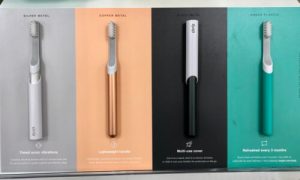
Quip continues to be flexible when it comes to its appearance. Aside from its sleek and elegant style, it comes in a variety of materials. Quip electric toothbrushes are available in plastic, copper, silver, black, gold, or slate metal. Depending on your liking, anyone is sure to get a hold of whatever suits their needs. Quip also offers limited edition designs that you can get at a specific time of the year.
Product Safety
The Quip toothbrush has the American Dental Association’s Seal of Acceptance. This seal confirms that the manufacture of the product follows safety protocols and has high-quality standards. With this certification, you can be confident that it is both efficient and safe for use.
How Does Quip Toothbrush Work?
So, how does the Quip electric toothbrush work? Below are some of the functions that make this product one of the most sought-after toothbrushes.
Automatic and Manual Combination
The Quip electric toothbrush is famous for its inner workings, which are a combination of manual and automatic principles. This means that the toothbrush works just as you would with a traditional toothbrush but also exhibits innovative features. The brush head itself generates sonic vibrations at fifteen thousand strokes every minute. However, because this electric toothbrush is only half as strong as its counterparts, you ought to support it in gentle circular movements in order to maximize its cleaning capabilities.
Battery and Charging
The Quip’s battery-operated feature distinguishes it from other electric toothbrushes available in the market. It necessitates the use of a triple-A battery, which lasts around three months when utilized twice a day for two minutes. For us, a non-rechargeable electric toothbrush might be a concern. Other than the fact that changing batteries can be an additional expense, its use can also pose a significant threat to our environment. According to several pieces of research, the manufacture and disposal of batteries can result in chemical release, which compromises our ecosystem.
Bristles and Tongue Scraper
The Quip’s bristles are also unique. At a glance, you’ll notice the presence of regular strands. But if you look closely, between them are soft silicone bristles that help you clean far more thoroughly. Additionally, you can also find a tongue scraper on the opposite side of the brush head.
Replacement Brushes
According to dental hygienists, a typical toothbrush has a lifespan of three months. Changing it to a new one is necessary to prevent contamination. Luckily, a Quip electric toothbrush has a detachable brush head, so you won’t have to replace the entire unit. Just as you thought it couldn’t get any better, Quip offers subscriptions that allow users to get replacement brush heads whenever necessary. All you need to do is to sign up during your purchase.
Minimalist Function
Unlike other electric toothbrushes, the Quip is undoubtedly meant for individuals who want a minimalist feel. It has a single option, which is the power setting. On the other hand, it also has an automatic two-minute timer which includes a thirty-second pulse. This feature ensures a proper brushing timeframe.
Child-friendly
Quip is also versatile when it comes to its users. There is an available plastic alternative, perfect for youngsters who are starting to learn about oral hygiene. It also comes in a set with fruit-flavored toothpaste.
How Much Does Quip Cost?
A Quip might come more expensive than any manual toothbrush, but it costs much less than most deluxe models from other electric toothbrush manufacturers. Depending on the version of your choice, it ranges from around twenty-five dollars up to forty dollars. However, this price applies only to the brush itself. If you would want the subscription package, you should expect additional charges.
Where to Buy Quip Toothbrush?
Aside from the Quip website, their electric toothbrush is also available for purchase on a variety of online and physical stores. You can get them through third-party distributors, where you can also read additional customer evaluations. If you don’t want to wait for delivery, Quip is also available at specific market locations around the world.
What We Like About Quip
For our team, there seems to be a lot to like about Quip. In comparison with other sonic electric toothbrushes, this brand is a total breather that could last for more than a year. Not to mention how great it feels like to have a toothbrush that only takes up a minimal amount of space.
Simple
Overall, Quip toothbrush is a fantastic choice for those who enjoy safe and functional oral routines. The Quip toothbrush continues to receive positive feedback from a lot of people—particularly those who want to clean their teeth and still look fabulous while doing it.
Convenient
We would definitely recommend this product for people struggling with their busy schedules. Quip electric toothbrush prioritizes convenience and offers hassle-free delivery options. So, the next time you need a brush head replacement, you don’t have to go out to get it.
Compliant
Quip provides e-mail newsletters and relevant information about oral health. For dental care experts, this effort shows how the company helps spread awareness in brushing and other oral care practices. It also confirms that Quip is a responsible partner for dental professionals.
Travel-Friendly Design
The Quip electric toothbrush is perfect for travelers and those who frequently go out. It has an intuitive design that is easy to throw into your luggage without the risk of breaking the bristles or the brush head.
What We Don’t Like About Quip
While we do like many aspects of the product, it does have a few flaws. The following are some of our most minor favorite parts about Quip:
Fluoride-containing Toothpaste
Experts would not suggest fluoride toothpaste, especially for children, as accidental swallowing increases the risk of fluorosis. This condition can interfere with tooth enamel development and other oral concerns. Because of this rising anomaly, the availability of hydroxyapatite kinds of toothpaste is taking a leap. From a professional standpoint, we suggest skipping the fluoride toothpaste when ordering Quip.
Brush Head Size
Quip’s brush head size is relatively large than average. This characteristic isn’t that much of a problem for most people, but it might not be as helpful if you have a small mouth. To get a better fit, we suggest getting a kids’ toothbrush head instead.
Battery Use and Indicators
There is no low battery indication on this battery-operated, non-rechargeable device. Because we have so many gadgets in our houses that come with chargers, it’s not unusual to run out of batteries at the last minute. Because each battery lasts a long time, this is a relatively minor issue, but without an indication, it can be a slight nuisance.
Tongue Scraping
The tongue cleaner on the underside of its head isn’t as effective in comparison with a metal tongue scraper. That functionality, in our opinion, might have been left out totally.
Should I Buy Quip Toothbrush?
Quip toothbrush is a great brand. However, it might not be suitable for everyone considering that we have our personal preferences. Moreover, there is no single brand that every dentist would agree on. Nonetheless, almost every dental hygienist would tell you that the type of toothbrush you are using is only an additional. Technically, it is more about when and how you use it.
If you brush at least two times a day and utilize appropriate oral care techniques, even a traditional toothbrush will improve your oral health. But if you’re unsure about which toothbrush to use, you may always consult your dentist. Your dentist will be able to provide you with several alternatives and advise you on which ones will keep your mouth the cleanest.
The Bottomline
In conclusion, we continue to discover the enticing marketing campaign that Quip has. Since its launch, it has been a consistent choice for a lot of millennials. The product itself is stylish and trendy, which really contributes a lot in encouraging potential buyers. Most reviews are positive, which boosts enthusiasm towards the development of social media platforms.
However, the functionality of the product might not be as far off as its competitors. Nonetheless, it still provides decent oral care support and an excellent value for your money. So, if you’re searching for a softer yet powerful toothbrush, try out Quip electric toothbrush. You can also sign up for an additional subscription service for a better experience.
If seeing a Quip brush makes you happy, there’s a high chance it’ll inspire you to stick to your regimen. Overall, it is an essential factor to consider when selecting a toothbrush.
At most times, you may have heard your teeth commonly being referred to as your “canines.” However, a lot of people do not understand what this term actually means. Suppose you’re curious about what exactly is a canine tooth and what it does, or maybe you’re wondering why do we have canine teeth. Perhaps this article can help you. We’re here to bring you some fascinating facts about canine teeth, their evolution, and how you can take care of yours. You can go to Parramatta Green Dental’s website today if you need professional advice about this issue.
What Are Canine Teeth?
According to researchers and dental professionals, our canines are the most stable among all our teeth types. They are made with special modifications that enable you to easily chew and tear food.
Most animals have more prominent and pronounced canines, but humans only have them less conspicuously. However, their comparatively pointy and prominent appearance makes them a lot more distinguished than the rest of our teeth. When you face a mirror and take a look at your teeth, it should be easy to identify our four sharp upper and lower canine teeth. These have been popularized by cinematic filmmakers, which many refer to now as vampire teeth.
Though our canine teeth aren’t as striking as those of other mammals, their function and shape are somewhat similar. Even though our canines are not especially big, we have preserved an enlarged canine tooth root. This structure is responsible for creating a bulge in the upper jaw and provides a stable foundation on the corner of our lip. Over the years, we continue to evolve with it and help us eat, speak, and support our dental alignment.
Why Do We Call It Canine Teeth?
Canine teeth get its unique name because it resembles a dog’s fangs. Since canines are notorious for displaying their fangs when they feel a specific threat, these particular teeth are often affiliated with the term.
Because we all come from the same lineage, humans are also mammals. If we are to trace our ancestry from its roots, we can confirm that we share a common descendant as that of dogs. Although, it can be impossible to precisely identify when canine teeth originated or started to evolve.
The Evolution of Our Canines
Over the generations, our canines have grown relatively less conspicuous. This evolution possibly happened knowing that we have learned how to use them less frequently for combat. Thanks to the invention of tools and other innovative practices, we have developed different ways to deal with our prey, enemies, and the environment.
As a result, we have outgrown our primal instincts and developed our diet. Indeed, we have gone beyond our hunting years and now find it less appealing to use our canines in other circumstances. As modernization took its rightful place, we have learned to limit the utilization of our canines strictly for chopping food. It allows us to cut up debris into tiny proportions rather than swallowing big, hard chunks.
When Do Our Canine Teeth Develop?
Like the rest of our teeth types, our canines will erupt twice. Once when our baby teeth start to erupt, and the other during the development of our adult teeth. As explained by the American Dental Association, our canines are the third type of human teeth to develop, following the eruption of first molars and incisors.
You can expect your upper and lower pairs of canine teeth to erupt at these specific timeframes:
Baby Canine Teeth
Upper canine teeth erupt between the ages of sixteen and twenty-two months and are shed between ten and twelve. Lower canine teeth erupt between seventeen and twenty-three months of age and are shed between nine and twelve years of age.
Adult Canine Teeth
Adult canine teeth will erupt after the baby canine teeth are entirely shed. For the upper canine teeth, it typically erupts between the ages of eleven and twelve years. Whereas lower canine teeth develop during nine to ten years old.
Why Do We Have Canine Teeth?
We know that there is a specific role for all teeth types. But why do we have canine teeth? How does it affect teeth function?
Canine Teeth Helps Teeth Alignment
In regular human teeth, canines play a considerable purpose in maintaining dental structure. Without it, there is a higher risk for the bite to weaken and could sometimes cause misalignment on our adjacent teeth.
Canine Teeth Improves Our Meals
Additionally, our canine teeth are essential for chewing. Among other teeth types, only our canines can tear up and ripple apart our food when eating. Furthermore, its placement and appearance are necessary to guide the bite into its proper position.
Canine Teeth Enhances Our Speaking Ability
When you look at their placement, you’ll see that the lower canine teeth’ points are closer to the middle part than the upper canine teeth’ points. When biting down, the offset helps direct all of the teeth into alignment. A good and efficient speech is made possible by the proper alignment of these teeth. Poor spacing may lead to a less effective formation of words. If this condition becomes too severe, your dentist might suggest undergoing corrective treatment.
What Are the Common Concerns for Canine Teeth?
Canine Teeth and Impacted Tooth
The first concern for our canine teeth is when it becomes impacted. In some instances, your canines will lodge under the gums, and there is a high chance that it would not erupt the way it should. The tooth can break through later than expected, causing it to emerge in the incorrect position, typically behind or in front of the other teeth.
When your canine tooth emerges at the wrong position, fret not. There are alignment options that can assist you in correcting and making enough room for your canines to erupt smoothly. When treated early, the tooth will adjust on its own. Addressing this concern in the later years can make it more challenging and difficult to restore.
Canine Teeth and Gum Recession
Because of their prominent position, canines may be particularly worthy of attention, especially when brushing your teeth. According to the Dental Press Journal of Orthodontics experts, canines are among the most frequent gum recession sites, mainly due to excessive brushing, smoking, or gum disease.
Suppose you want to maintain your youthful smile and your overall oral health. In that case, it is essential to practice good oral hygiene without being too aggressive on your teeth.
Are Your Canine Teeth Too Large?
As mentioned earlier, canine teeth can grow significantly more than the rest of our teeth types. While it can be a significant aesthetic issue, it can also affect regular teeth function. If you believe your canine teeth are oversized, there are various treatment options available to resolve your concern.
Identifying the Concern
It is vital to note that there are times when the actual teeth aren’t the only aspect responsible for the issue. You might believe your canines are too large, but this issue might be something else. In most cases, a crooked or misaligned lateral incisor is one of the most prevalent causes. As a result, the canine tooth may look significantly more prominent. For these circumstances, your dentist might suggest adjustments to improve your teeth’ visual proportion.
Contouring Oversized Canine
Suppose your dentist confirms that your canines appear to be larger than average. In that case, contouring is a possible solution. The process involves grinding a part of the canine to reduce its size. Since the procedure means scraping off the tooth itself, the enamel can become affected. Therefore, it is best to seek an experienced orthodontist to ensure the best results as the treatment can be a little sensitive.
Nonetheless, the canine teeth contain the most enamel. So, you can still have a good amount of protection to keep your canine tooth healthy despite the reduction.
Adjacent Teeth Adjustment
In other instances, experts prefer enlargement of the adjacent teeth rather than contouring the canine itself. It is actually the best solution as to not affect the teeth’ function and health. There are many methods to adjust the size of these neighboring teeth. Still, the most popular ones are done through porcelain veneers and dental bonding.
Dental Bonding. Enlarging teeth using dental bonding is a quick and straightforward process. If you are not into invasive procedures, this is the best choice among other options. It only involves a slight scratch on the teeth that requires bonding. Doing so will aid in the bonding’s adhesion to the teeth. The bonding substance is then molded to produce the replacement tooth, which begins off as a putty. Finally, the material hardens by exposure to a specific light. This is a low-cost approach that may be accomplished in a single visit. However, it may not be as durable or stain-resistant as that of porcelain veneers.
Porcelain Veneers. These are thin ceramic coverings that are bonded to the front portion of your teeth. To make a place for the veneers to fit, the dentist must remove some natural tooth material. After making an impression of your teeth, the lab creates a specialized veneer for your teeth. Veneers take longer to apply and are more costly, but they endure longer and are stain-resistant.
Taking Care of Your Canine Teeth
If you want to achieve healthy canine teeth, it could require a lifetime of effort and patience. Even if you have been told to have a lovely set of teeth, it is still essential not to take them for granted. Maintaining proper oral practice is necessary to avoid any issues. This entails choosing the appropriate dental care products and being mindful of your habits.
Observe Proper Brushing Techniques
Brushing your teeth well is just as essential as brushing them at all. To eliminate plaque, take your time and use the right toothbrush in gentle, circular strokes. Leaving out plaque might cause it to become rigid, leading to the formation of calculus and gingivitis. Furthermore, avoid brushing too hard as it can result in gum recession and other problems.
Drink More Water
Water is indeed the most acceptable beverage for your oral health. As frequently as possible, experts advocate making a habit of drinking water, especially after each meal. Doing so can help wash away some of the unpleasant effects of sticky and acidic meals and beverages.
Maintain A Healthy Diet
Sugar eventually breaks down into acid in your mouth, which erodes the enamel of your teeth. These are also responsible for cavity formation. Teeth enamel can be scraped off by acidic fruits, drinks, and coffee. While you don’t have to completely avoid certain meals, it’s always a good idea to set limits to prevent overconsumption.
Visit Your Dentist Regularly
Your oral care routines have a significant role in your overall health, but that is not enough. Even the most diligent brushers and flossers need to visit their dentist regularly. It is necessary to see your dentist for routine checkups and cleanings as much as twice a year. A dental professional will not only check for cavities or remove calculus formation, but they will also help you address possible sources of concern. They can detect oral problems and avoid worsening the condition by providing early intervention and suggesting the necessary treatment options.
A Word of Advice
Because of their pointed appearance and length, our cuspids are among the most recognizable human teeth types. Cuspids are bigger and stronger than incisors, having roots that go deep into the jawbones. They play a considerable function in our oral health but are mainly used for grabbing and shredding food. Therefore, issues connecting our canine teeth can cause significant interruptions to our day-to-day routine.
If you want to prevent these situations from occurring, it is essential to keep those vampire teeth as healthy as they should be. Proper brushing techniques and implementing other oral hygiene procedures are the most excellent ways to take care of your teeth. From these simple acts, you can go a long way towards improving your overall health. For more information about oral health, you can visit this website.


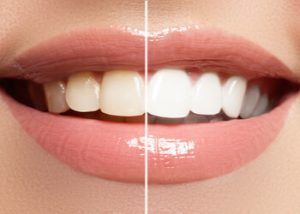



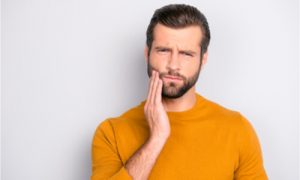
 One of the more common and less serious impacted wisdom tooth symptoms that may also be linked to an infection of your wisdom teeth (or any other teeth) is sensitivity in that area. Typically, this will only be limited to one side of the face (although this isn’t always the case) and can be felt when you touch around your jawline/area with your fingers or tongue. The pain may not always come from touching, but merely putting pressure on it might make you feel discomfort or even sharp pain.
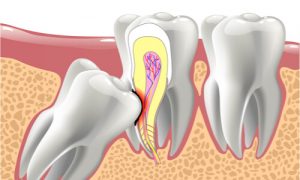 This is typically a sign of infection and inflammation (irritation, swelling, heat, redness, etc.) from a complete or partially erupted wisdom tooth. Please note that this symptom can also be present if you’re having difficulty speaking or swallowing due to the muscles in your throat area being affected as well. If this is the case, you should see a doctor immediately but don’t forget to tell them about all of your symptoms; otherwise, it may not be recognized correctly and treated properly! Medication can take its time to work, so don’t rush yourself and remember that rest and hydration are key.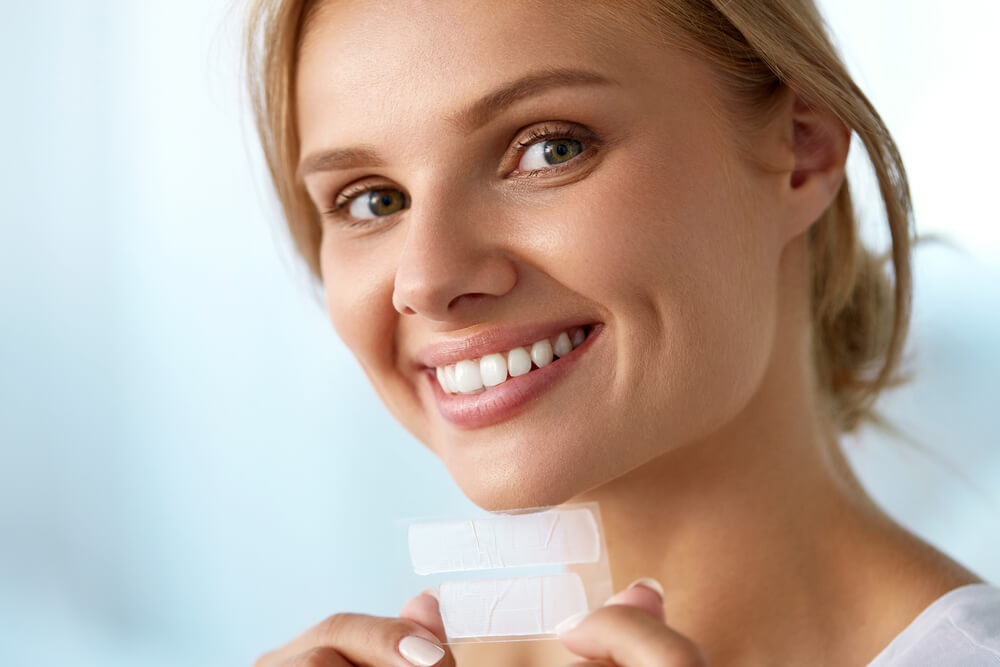
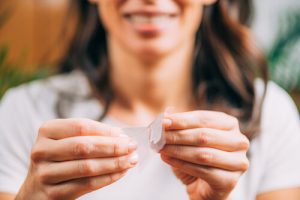 When using whitening strips, it is important to follow the instructions closely in order to achieve the best results. First, brush your teeth and floss them well to remove any plaque or debris. Then, cut the strip to fit your teeth and apply it according to the directions.
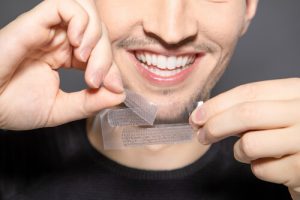 Teeth whitening could include an increased risk for oral cancer, gum irritation or injury, and other side effects.
 dental implant costs and find the best deal for you.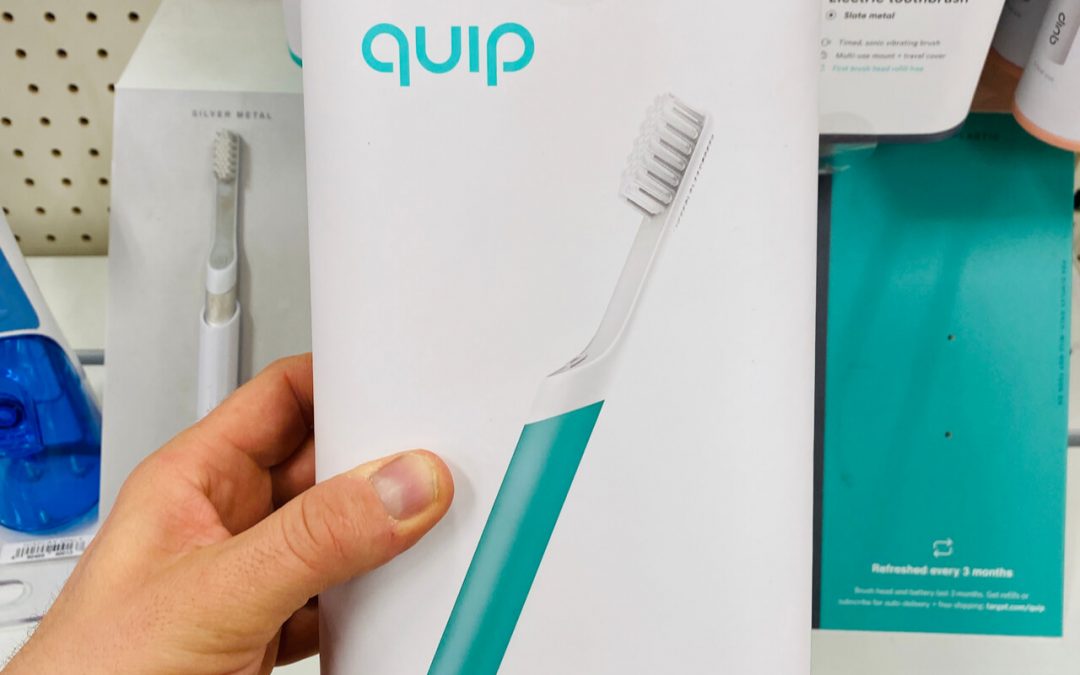
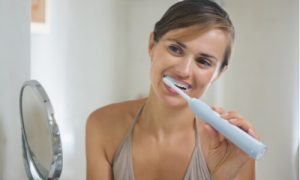 The Quip electric toothbrush is famous for its inner workings, which are a combination of manual and automatic principles. This means that the toothbrush works just as you would with a traditional toothbrush but also exhibits innovative features. The brush head itself generates sonic vibrations at fifteen thousand strokes every minute. However, because this electric toothbrush is only half as strong as its counterparts, you ought to support it in gentle circular movements in order to maximize its cleaning capabilities.
 Simple
 Quip toothbrush is a great brand. However, it might not be suitable for everyone considering that we have our personal preferences. Moreover, there is no single brand that every dentist would agree on. Nonetheless, almost every dental hygienist would tell you that the type of toothbrush you are using is only an additional. Technically, it is more about when and how you use it.
 Over the generations, our canines have grown relatively less conspicuous. This evolution possibly happened knowing that we have learned how to use them less frequently for combat. Thanks to the invention of tools and other innovative practices, we have developed different ways to deal with our prey, enemies, and the environment.
 Canine Teeth Improves Our Meals
 Suppose your dentist confirms that your canines appear to be larger than average. In that case, contouring is a possible solution. The process involves grinding a part of the canine to reduce its size. Since the procedure means scraping off the tooth itself, the enamel can become affected. Therefore, it is best to seek an experienced orthodontist to ensure the best results as the treatment can be a little sensitive.
 Your oral care routines have a significant role in your overall health, but that is not enough. Even the most diligent brushers and flossers need to visit their dentist regularly. It is necessary to see your dentist for routine checkups and cleanings as much as twice a year. A dental professional will not only check for cavities or remove calculus formation, but they will also help you address possible sources of concern. They can detect oral problems and avoid worsening the condition by providing early intervention and suggesting the necessary treatment options.


