Having a toothache is a burden; there is no doubt about that. The pain and sensitivity you feel somehow radiate to different parts of your body, making you weak, tired, and agitated. What’s worse is that a tooth infection can lead to many medical conditions once the bacteria reach your bloodstream. One of the most popular tooth problems that teens and adults face is wisdom tooth infection. This becomes extra challenging because no antibiotic medication can treat it; only surgery can.
Wisdom Tooth Infection
As we all know, our wisdom teeth and the last set of upper and lower molars grow in and erupt. They coined that name because they usually erupt when teens become adults, around the ages of 17 to 25. Because all your other adult teeth found their own position before your third molars erupt, there are times when no space is left for them to grow in. This leads you to have an impacted wisdom tooth. Once wisdom tooth impaction happens, sooner or later, dental problems will arise especially when they decide to erupt.
Why Do I Have Wisdom Tooth Infection?
You can say that a typical wisdom tooth, all grown in and aligned with your teeth, is hard to clean. It may easily get infected because food debris and bacteria can get stuck between the tooth and the gums. And because they are the farthest from your reach while you brush your teeth, the space between your wisdom tooth and the back of your mouth can be easy to miss when you are brushing and flossing.
Impacted wisdom teeth happen when no space is available for them to grow out of your gums. Your third molar may incompletely come out, develop at an angle (diagonally), or do not emerge because it grew completely sideways inside the gums.
Of these three situations, the partially impacted wisdom tooth has the highest risk of infection. Because a part of the crown still hides under the gums, food debris and bacteria can easily seep in through space in between. It is also because the shape and angle of the molar make it harder to be cleaned, causing tooth decay more likely to occur. A wisdom tooth infection or cavity can develop when an overgrowth of harmful bacteria makes holes in the outer tooth layer called enamel.
Wisdom Tooth Infection Symptoms
While your wisdom teeth are hard to see and feel inside your mouth, the presence of infection around these pearly whites can become as evident as when the infection affects your front teeth. Once a wisdom tooth infection arises, you may feel one or more of the following typical symptoms:
Pain around the tooth near your jawline
Swollen and red gum around the tooth
Bad breath
Pain when chewing or even just opening the mouth
Swollen lymph nodes
Fever
Do not think the wisdom tooth infection only happens with the tooth still in place. Sometimes, wisdom tooth extraction can also make you vulnerable to infection. Studies show that patients who underwent molar extraction can experience a dry socket, bleeding, nerve damage, and yes, infection.
Once you feel any of the symptoms stated earlier and you figured out that it came from a wisdom tooth infection, you may consult your dentist and undergo deep cleaning or scaling and root planing. Cleaning the teeth and gums to remove any debris or plaque buildup will help your doctor determine the location and severity of the damage. Knowing the extent of the problem enables him to decide the next treatment step.
Symptomatic Medication
Management of your symptoms because of your infected wisdom tooth may seem to have practical and short-term benefits. It defeats any discomfort that you may feel. Take the pain reliever of choice for any soreness or sensitivity. You can also try home remedies like clove oil or oil pulling if you feel that it can let you get through the day comfortably while waiting for your dental appointment. Antipyretics and anti-inflammatories also work if you have fever and swelling, respectively.
Antibiotics
Oral medications to combat the infection may be the first line of offense your dentist may prescribe. The type of bacteria and the severity of the damage it caused determines the type of antibiotic treatment and the dosage and frequency of the meds.
Wisdom Tooth Extraction
Do not get us wrong; not all impacted wisdom teeth cause problems all at once. There are times when they lie peacefully without causing any discomfort or tooth damage. However, if your impacted wisdom tooth becomes infected, there is nothing else your dentist can do except to remove it.
The dentist will perform typical treatment steps just like any other tooth extraction, except for some unique approaches.
During your wisdom tooth extraction, your dentist or oral surgeon will make an incision in your gums to expose the tooth and remove any bone that may obstruct the access to the impacted tooth root. Some molars are sometimes too big to be easily extracted, so your dentist may need to break them down into smaller pieces to make sure that all tooth parts are fully extracted. After removing the tooth, the dentist or oral surgeon typically closes the wound with stitches and packs the empty space, called a socket, with gauze.
Wisdom Tooth Extraction Aftercare
Tooth extractions typically cause mild to moderate pain that patients find easily tolerable. However, wisdom tooth removal often causes more soreness and discomfort compared to other tooth extractions, so you need support and proper aftercare instructions from your dentist.
Verbalize Your Concerns
Before your scheduled or emergency tooth extraction, discuss with your dentist all your worries and concerns. Your dentist is the only credible and reliable person who can answer your queries regarding the process and what to expect afterward.
Support System
Many patients would have someone to help them with their daily needs for the first few days. Your dentist may require work and movement restrictions and limitations to avoid any untoward complications and give time for complete healing.
Extraction Of Asymptomatic Impacted Wisdom Tooth
Above all else, what you need to understand is the fact that prevention is better than cure. Your dentist may not strongly advise you to have your impacted wisdom teeth be extracted all at once, especially if they do not cause any symptoms of discomfort. But know that the only way for you to prevent any future problem is to remove these molars once and for all. Because sooner or later, they may either cause you to develop an infection or cause neighboring teeth problems if they develop and push adjacent teeth towards the front. Listen to the expert advice of your dentist so he can guide you appropriately.
Wisdom tooth infection is not a rare dental problem. It can happen to anyone whose third molars either are delayed in erupting or are partially impacted. The best move you can do when faced with this condition, just like any other tooth infection, is to seek the advice and expertise of a professional dentist as soon as possible or you can visit this link for more info.
We presume no one wants to have cavities that can lead to a tooth infection and tooth decay. The problem is, even though we know the basics of oral hygiene, we do not practice them consistently. We take our dental health for granted, costing us not just our smile but also our whole positive disposition. We do not know the extent to how a simple tooth infection can affect our health. Can a tooth infection spread to other parts of the body? Is it possible to infect even our ears and cause other problems?
Tooth Infection And Tooth Abscess
Odontogenic infection, the medical term for tooth infection, starts from a simple plaque buildup or tartar rich in bacteria that succeeded in penetrating the insides of the tooth. An abscess is a painful infection that arises when bacteria gain access to the pulp tissues of the tooth. As you know, the pulp is the innermost part of the tooth where the nerves and blood vessels reside, so infection in this area should get professional attention immediately.
Bacteria: The Cause Of All Tooth Infection
Bacteria thriving in plaque buildup and cavities can get to it via the cracks on your tooth, issues with your dental crowns, leaking dental restorations, broken fillings, or through the lateral canal once gum recession progresses.
There are different types of bacteria that you may find in the mouth, and the ones that decay teeth may be different from the ones that produce abscesses. A decayed tooth simply provides favorable conditions for the bacteria to thrive and infect more and more parts of your tooth so they can multiply and spread.
Can A Tooth Infection Spread: How The Body Reacts
The body’s response to foreign invaders like the nasty bacteria is to increase the blood flow in the tooth to deliver white blood cells. These specialized cells serve as first-aides and soldiers of the body, fighting the bacteria before it spreads. Because of the increased blood flow, higher pressure gets inside the tooth. And since the tooth cannot swell and adjust to the pressure, the nerves that are inside the tooth get strained and compressed, leading to tooth pain.
As the infection progresses, the fresh blood supply gets cut off due to the increased pressure, and the tissue inside dies. You may think that the infection stops as the pain subsides, but the problem simply just changed location. The infection then spreads into the jawbone, causing fluid accumulation, throbbing pain, swelling, and sometimes numbness.
What Happens when a Tooth Infection Spreads?
As the bacteria that infected your tooth reaches your gums and jawbone, they can cause the following health complications:
Osteomyelitis of the Jaw
This is, simply put, the infection of the bone that surrounds the infected tooth. As the infection spreads to the jaw, suppuration or the formation of pus surrounding the infected tooth starts, causing your gums to have swelling, redness, and pain. Symptoms also include fever, muscle spasms, and other inflammatory complaints.
Cavernous Sinus Thrombosis
Simply described as the blood clot formation in the cavernous sinuses of the brain, this condition gets more severe than how it sounds. The cavernous sinuses, located behind our eyes, are connected to large blood vessels called the jugular veins that supply blood to the brain.
The blood clot builds up to prevent the infection from spreading further. However, its presence can limit the blood flow to the brain, damaging the brain, eyes, and nerves running between them. Cavernous sinus thrombosis can manifest as a sharp headache surrounding the eyes, swollen or bulging eyes, sore eye pain, and double vision.
Cellulitis
You can also develop facial cellulitis because of severe tooth infections. If the infection isn’t treated, more serious infections may spread to the face, making it swell. Facial cellulitis is an infection of the skin and underlying soft tissues. This is a very serious condition. Once the infection and swelling start, it can spread quickly.
Parapharyngeal Abscess
A deep neck abscess, this condition happens when the type of bacteria that caused your tooth infection reaches the parapharyngeal space. This is where neck muscles and blood vessels meet, so developing an abscess in this region may cause further complications that may sometimes cause fatal effects.
Patients with parapharyngeal abscess may present symptoms like fever, sore throat, odynophagia, and swelling in the neck down to the hyoid bone.
Meningitis
Bacterial meningitis is rare, but once it happens, it may pose fatal complications to the patient. You can spread the bacteria to the meninges of the brain through untreated tooth infection and wound infection after tooth extraction.
Sepsis
If the type of bacteria that caused your tooth infection reaches the bloodstream, sepsis becomes possible. This condition, incorrectly defined as blood poisoning, is a grave medical condition where the immune system severely overreacts to an infection in the blood. As the body wants to defeat the bacteria that cause the infection, it uses desperate measures that can also harm the body.
Can A Tooth Infection Spread: When To Need A Doctor
The truth is, not all tooth infection needs a doctor‘s appointment, your dentist can easily address your concerns if your infection or tooth decay gets diagnosed early. Of course, as we always say, prevention is better than cure. Having your regular dental appointment lets your dentist monitor your dental cavity and see any signs of developing risks become problems even happen.
However, if you have been dealing with a stubborn tooth infection and you suddenly feel the following symptoms, it would be best to consult a doctor immediately:
Severe swelling
Difficulty of breathing
Difficulty swallowing
Severe pain
Confusion
High fever
Chest pain
Light sensitivity
Seizure
Vomiting
If any of these symptoms surface during your tooth infection battle, do not hesitate to get immediate medical help as this may signal severe and systemic issues.
Treatment For Tooth Infection
An abscess is a true dental emergency and is usually treated with a combination of antibiotic therapy, endodontic treatment or root canal therapy, and the removal of the tooth. However, the type of treatment you may receive depends on the location, the extent of the infection, and your immune system’s reaction when you have the infection.
Antibiotic Therapy
Like any other infection in the body, the prescription of antibiotics is probably very common. The course and type of antibiotic treatment, of course, would depend on what type or strain of bacteria is present, your body sensitivity to the medication, and the severity of the infection. Your doctor or dentist may prescribe a higher dose or an extended course of medication treatment if your infection deems severe.
Root Canal Therapy
To treat the abscess inside your teeth, the dentist needs to remove the infected pulp so that the infection will not spread and cause further damage. It also lets you preserve your tooth if the crown is still salvageable.
If your dentist concludes that the infection totally damaged your tooth, the last resort is tooth extraction. This eliminates the possibility of bacteria thriving inside or around the tooth, as well as removes the infected pulp that can serve as the gateway to the spread of infection.
Most tooth infections are easily treatable. However, if a person delays treatment, a tooth infection can spread to other parts of the body. Once the infection has spread, it can quickly lead to severe and potentially life-threatening complications.
Do you need to have a chipped tooth repair? Don’t worry. Your dentist is an expert in repairing and restoring any teeth condition. For this reason, a broken tooth is no longer something to worry about. Moreover, your dentist got your back on this. Aside from that, tooth repair is one of their training. So, if you have a broken tooth, your dentist might still save it for you. Go ahead. Book your appointment now with your trusted dentist.
Chipped tooth
Even though we know teeth as the most potent substances in our body, potential damages can still occur. The teeth’ strength still has its limitations. For this reason, we should not take our oral health for granted. Otherwise, we will develop several oral health problems. Below are the typical causes of chipping in your teeth. in effect, a chipped tooth can become sharp, tender, and out of shape.
First and foremost, poor oral hygiene makes your teeth susceptible to chipping.
A forceful blow on your face can cause chipping.
Additionally, chipping can also result in excessive wear and tear of teeth.
Biting down on hard food or objects can cause chipping as well.
If you experience a fall or car accident that hits your face, you may also have a chipped tooth.
Besides that, playing contact sports without any protective gear can also cause chipping out of the game’s accidents.
Lastly, if you have a teeth-grinding condition, it can result in chipping as well.
A simple hit in the face can cause teeth chippings. For this reason, you have to be careful and avoid getting facial blows.
Symptoms of a chipped tooth
You can hardly notice chipping if it is minor only. However, if it’s not a tiny chip, you may experience the following symptoms:
The surface of your teeth feels sharp as you feel it using your tongue.
You tend to have difficulty eating your food.
Additionally, gum irritation can occur around the chipped tooth.
Lastly, your chipped tooth will experience sensitivity.
On the other hand, this tooth condition is still repairable. You only have to visit your dentist so that they can make a diagnosis on your teeth. Afterward, they can proceed with the best repair option for your chipped tooth.
Chipped tooth repair
The repair of a chipped or broken tooth depends on its size. Whether it’s a minor or significant chip on your tooth, cosmetic dentistry has several dental treatments to offer. Please look at the details below to see the applicable treatment option according to the chip’s size.
Minor chips: Most likely, you are not going to receive any treatment for this. Your dentist might only do some contouring on your chipped tooth. It involves smoothing and polishing the jagged edge or chipped part.
Moderate chips: For this size, your dentist may suggest dental bonding, tooth-colored filling, a dental crown, or a dental onlay. As a result, you will receive a tooth restoration back on its original appearance and functionality.
Severe chips: These chipping cases may require dental veneers, implants, crowns, or onlays as repair methods. Additionally, your dentist might perform root canal treatment if there is an exposure of tooth nerves.
These treatments can repair your tooth. However, if the dentist can no longer fix your broken tooth, they might end up removing the whole tooth.
A chipped tooth repair is necessary because it can lead to tooth decay and infection. In effect, you might not only need repair options for these. Your dentist might do other dental procedures to treat your oral issue fully.
Initial care for a chipped tooth
You have to undergo chipped tooth repair at your dentist. However, these cases can occur unexpectedly. Sometimes, during periods when your dentist is not available. If this happens, Mint Dental Care’s Bellevue Hills dentists suggest following these tips until your dental appointment.
You can apply a temporary dental filling, chewing gum, or gauze into the sharp edge of the chipped tooth. In effect, it will protect your tongue and gums from the edge of the tooth.
If your chipped tooth is causing you pain, you may take pain relief medicines, such as ibuprofen.
You can use an ice pack or cold compress in case of irritation and place it over your cheek near the broken tooth.
Additionally, it would be best not to use the chipped tooth when chewing.
For the most part, do not try smoothing your chipped tooth using a sandpaper or nail file. Aside from that, never attempt to do tooth extraction by yourself.
These actions are temporary only. You still need to set an appointment with your dentist. They can give you the best treatment option to repair your chipped tooth. As we have mentioned earlier, a chipped tooth can lead to other oral problems if not treated.
Final thoughts
A chipped tooth is very common to happen. It is the most common dental injury that dentists usually encounter with their patients. On the other hand, most cases of chipping do not cause pain. However, it would be best not to neglect it. The earlier you get a chipped tooth repair, the higher the chance of preventing other oral health issues.
In general, you can prevent a chipped tooth from occurring by taking extra care with your movements and activities. It would be better to use protective gear if your actions have a high risk of facial injuries or accidents.
Furthermore, you have to take care of your oral health. Practicing good oral habits will keep your teeth strong and healthy. Aside from that, it would be best to visit your dentist regularly. They are the best people to know every single detail of your mouth.
When you visit them, they will know if your oral health is excellent, if you have potential oral issues, or if your oral health is in bad shape. During this period, your dentist will know if you need treatment or not.
A crown overlay is used by dentists to reconstruct damaged teeth that have minimal issues but are strong enough to still be functional. This denture is considered as an alternative to fillings and is very much recommended by dentists because of its presentable aesthetics and functions. Always go to a trusted clinic if you need to fix your tooth structure and if you have dental health concerns.
Purposes of A Crown Overlay
The main purpose of a crown overlay is to improve dental health, tooth structure, and help them remain strong and useful. In dentistry, the overlay could mean a lot of things. Depending on what you specifically need, the term can be used for cosmetic and restorative purposes.
In cosmetic dentistry, overlays are used to aesthetically improve the look of the patient. The main objective is to conceal the imperfections of the teeth and make your smile brighter.
Crown overlay on the other hand is a restorative procedure that basically repairs and strengthens broken teeth. This prosthesis is somewhere in between fillings and full crown and is often the best solution for teeth with minimal damage. This is an office procedure used by dentists to restore certain areas in the teeth such as the top part. Other types of crowns include Onlays and inlays. The Onlay is placed on the cusp and the inlay is used to fill the space between the cusps.
In comparison with a filling, full crown, or full coverage restoration, crown overlays are less invasive and offer a more comfortable feeling. Plus, they keep your tooth structure and dental health in great shape at the same time. They can also be made of several materials such as pure gold, metal, and porcelain.
How Crowns Are They Made
Firstly, your dentist needs to examine your whole teeth structure in order to deem that you are qualified for crown prostheses. He will take the necessary measures to know the needed size, shape, and color of the overlays. After this, he will send a proposal to a laboratory where the prostheses will be created according to your tooth structure. A professional ceramist will proceed with molding and carving the crown overlay to make sure that it will fit you perfectly.
You will have to go back to the clinic for the attachment procedure.
Advantages of Crowns
Crown overlays can solve several oral problems at once. Some of its benefits and advantages include the following;
Provide support for a tooth that has been damaged by decay.
Prevents further damage by protecting the tooth.
Keeps the tooth structure aesthetically pleasing.
Keeps you away from root canal treatments.
Prevents a crack from completely breaking down.
Conceals an implant.
Improves teeth appearance by enhancing their color and shape.
Another good thing about this is that these are durable and often last for 10-15 years. This is the reason why most dentists suggest this restorative treatment for patients with a damaged tooth.
Cons of A Crown
Despite its numerous advantages, a crown overlay can also present several drawbacks. The first thing that you need to consider is that there is a possibility that the size and shape of the overlay could be incorrect due to human error. This could cause damage to the teeth after been attached.
Secondly, one of the most common after procedure side effects is tooth sensitivity. Some patients experience discomfort when they consume hot or cold foods. However, this effect is temporary and can be relieved by using a toothbrush and toothpaste that are specifically designed for sensitive teeth.
When the crown overlays are too high from their correct position, you might also feel pain when chewing or biting. If this happens, ask your dentist to adjust the crown.
A crown can also become chipped but don’t worry because small cracks are very easy to repair without having to remove the crown overlay from your tooth. Unfortunately, large damages could potentially require complete replacement.
Sadly, the glue or cement that is used to keep the crown overlay in place could be washed away. Due to this, bacteria can enter the open holes and cause decay. In rare cases, the overlay could even fall off because of improper fitting and poor attachment.
Additionally, allergic reactions may also occur but this negative effect varies on the individual. Lastly, A crown overlay can be quite expensive depending on the materials used.
Crown Aftercare
Your dental health should be one of your topmost priority when it comes to self-care. One of the reasons why people need a crown overlay is because of poor oral care. It’s important to use quality products that can significantly keep your teeth strong and healthy. After the restorative procedure, your dentist might give you a full guideline so you can keep your overlay in good condition for a long period of time.
The list often includes the following:
No sticky and hard foods. Your crown is very much just like your teeth, they are vulnerable to hard and sticky foods as well. Using your teeth to chew hard candies can reduce their lifespan and may even lead to a chip or crack.
Maintain your dental health. This means that you need to observe proper oral care together with regular visits to the dentist.
Quit your unhealthy habits. Nail-biting and opening a bottle of beer by using your teeth are just a few of the examples. These habits will eventually cause damages to your teeth and crown overlay.
For people who teeth-grind, use a mouthguard. Mouthguards can be easily bought over the counter. But if you prefer to have one that’s comfortable, you may ask your dentist to prepare a customized mouthguard for you. You may even choose between transparent or colored materials.
When an accident happens involving your teeth, you must instantly visit your dentist to assure your oral health condition. It is a good thing to get an emergency root canal to prevent worsening your condition. This article will guide you to know more about this kind of dental emergency. Moreover, you can click on this site to read advice from a dentist in Glenmore Park.
What is a root canal?
Root canal treatment is a dental procedure that is usually portrayed as a painful method. Nonetheless, this is not the situation. At the point when you have an infected tooth, the dentist requires to eliminate the damaged tissue to prevent the disease from spreading. This technique additionally removes the pain related to this infection.
The expression “root canal” originates from cleaning of the trenches within a tooth’s root. Long ago, root canal therapies regularly were excruciating. With local anesthetics and dental advances, most individuals have nearly nothing if any agony with a root canal. It is likely more excruciating living with an infected tooth. Root canal alternatives incorporate extricating the damaged tooth and supplanting it with a dental implant, bridge or denture.
What Is A Dental Emergency?
A dental emergency is any dental health condition that is causing you extreme pain, oral bleeding, or distress, and that you do not have a clue how to cure on your own. This implies the class of “dental emergency” is more extensive than you might suspect. Dental injuries like damaged and knocked-out teeth consider as emergencies. And so, do pulled-out crowns and fillings, bleeding gums, serious toothaches, and a wide variety of different oral health conditions.
Is A Root Canal A Dental Emergency?
An emergency root canal can be a lifesaver when you end up managing terrible tooth pain. This pain is regularly the consequence of a seriously damaged tooth with an undermined pulp chamber. It can likewise be from an infection that has advanced toward the pulp and nerve.
Tooth pain is not something you can overlook. A minor aching that does not disappear can become a nightmare scenario. You can get an emergency root canal to avoid long-term damage.
Common signs that you need an emergency root canal
Intolerable pain
As mentioned before, intolerable pain will incite anybody to look for emergency dental services. The problem brought about by a compromised pulp chamber is nothing similar to an ordinary toothache. It makes it not possible for you to get any rest or concentration on tasks.
When this happens, holding up until the following business day is frequently impossible. You will need quick alleviation from your difficulty. An emergency dentist will assess your teeth and may suggest you get an emergency root canal.
Pus coming from a tooth
If you have an infected tooth, pus may emerge from the area around the tooth. This symptom is a clear sign of an infection and that you need emergency care. While an infected tooth can be effectively treated in its early phases, waiting too long even to consider treating it can have frightful outcomes. The infection can prompt a tooth’s loss as well as disseminate to different aspects of the body like the heart and brain. In case, the dentist figures you cannot wait any longer, they will do an emergency root canal to spare the tooth.
A severely damaged tooth
When a tooth has been seriously harmed by injury, it may need a root canal to prevent you from losing it. Since this damage regularly arrives at the pulp, you will typically encounter pain and distress when anything contacts the tooth.
A root canal can be utilized to eliminate the pulp and nerves. This technique removes the pain, and the dentist will, at that point place a crown to reestablish the appearance of the tooth.
Tooth discoloration
Another sign that you have a damaged nerve on your tooth is when you have a discolored tooth. If the tooth discoloration is related to sensitivity or pain to cold and hot things, You can expect to have a root canal treatment to spare your tooth. Much like a chipped or broken tooth, your dentist can reestablish a yellow tooth with a crown.
Furthermore, gum discoloration closes the infected tooth is quite popular. In uncommon instances, you may even see swelling of the face or cheek nearby your infected tooth, or have a fever. If you observe these problems, contact an emergency dentist to get help with root canal therapy.
What Can You Expect From Emergency Root Canal?
First, your dentist will assess your tooth and may take x-rays to identify if you have an infected tooth and to determine the extent of the infection. At that point, they will start performing your root canal treatment plan.
Next, your dentist will clean and numb your mouth. If necessary, you will receive local anesthesia. After that, they will utilize a dental drill to eliminate rotted enamel from the tooth and to make a little opening in the tooth’s surface.
Through this opening, your dentist will separate rotted and infected material from the inside of the tooth. Then, they will rinse and sterilize the tooth, and fill it with an elastic-like substance termed “gutta-percha,” which changes the pulp and strengthens the tooth.
Lastly, your tooth will be covered with a filling or temporary crown, depending on the area of the tooth. In case you get a crown, you should return for a subsequent appointment to have a permanent dental crown placed and fitted.
Dental problems can be tough to beat if you already see advanced symptoms. However, that problem doesn’t mean you can’t treat any symptoms and relieve your teeth and gums forever. You may learn more at SNK Dental clinic in St Marys what to do when advanced gum disease happens. Special dentistry providers use root planing and tooth scaling as a standard oral care treatment. But, you may have to rely on further advanced surgeries like laser technology or medication. What should patients do when gingivitis becomes moderate to progressive gum disease? Here are our tips and detailed information that may help stop the side – effects.
What Causes Gum Disease?
Bacteria stays stagnant on the mouth and can affect your bite. Repeatedly eating sugar and carbohydrates without brushing and flossing can cause gum disease. Dentists say that bacteria feed off from sugar and food debris stuck in the mouth. Moreover, gum disease may also be caused by accidents or injuries. A sports mouthguard may stop damages on your teeth or gums from trauma. Other causes like congenital deformities or rare disease must have further advice from a professional and certified doctor.
As you read along with this article, you may see the intensity and need to have high-quality dentistry care soon.
Stages Of Gum Disease
Teeth and gum problems don’t start destroying the mouth months or years after neglected dental care. Yet, periodontal disease symptoms can deteriorate the mouth’s condition once other risk factors speed up the process. Gingivitis may even occur during cavities since tartar and plaque build – up from the food we eat.
Don’t skip going to a general dentist to manage your advanced gum disease. These gum disease stages may also show you can prevent gingivitis as early as possible.
Gingivitis
Gum inflammation or gingivitis is a sign that bacteria have spread from your tooth down under your gums. Most symptoms of gingivitis start as redness, tenderness, and darker colored gums. You may distinguish healthy gums once the pink and almost soft colored tissue starts to decay. In any
Mild Periodontal Disease
Aggressive periodontal disease can affect the whole mouth; you may notice that your tooth chips away faster. More instances of a broken tooth or bleeding occur even without flossing teeth day or night. Once gingivitis reaches stage two or slight periodontal disease, the side – effects aren’t reversible. But, you can manage the cavities and deposits with a tooth scaling and root planing procedure.
Advanced Gum Disease (Periodontitis)
Oral health care awareness is through millions of advertisements on the screen, social media, and billboards. What makes periodontitis dangerous? Advanced gum disease may lead to tooth decay. Eventually, if the person doesn’t have early treatment for gum recession, it can cause tooth loss. Moreover, bad breath (halitosis) indicates that bacteria may have infected your respiratory and gut or digestive system.
If you want to secure your dental health, don’t hesitate to call a periodontal specialist to remove the bacteria before it’s too late.
Advanced Periodontitis
At least 47.2% of adults over 30 in the United States suffer from chronic periodontitis. This final stage of advanced gum disease may also lead to other adverse health problems. Namely, heart disease starts from microbial invasion from the mouth down to the bloodstream. Also, there are studies of advanced gum disease with connections to brain disorders and respiratory diseases. Apart from the side effects mentioned previously, you have a higher percent chance of bone loss. Dental implants may not be advised for a patient with advanced gum disease so in that case a customized denture might be the only soloution. So, treating periodontal diseases from the starting stage has a significant impact on your oral care’s future.
Treatments For Advanced Gum Disease
If you want to stop advanced gum disease, visit your periodontal specialist. A periodontist is a certified and trained dental care provider that offers treatments and heal your gums completely.
Tooth Scaling and Root Planing
Root planing and scaling involve deep cleaning your teeth and gum tissues from tartar or plaque build-up. The next step involves smoothening rough spots on your tooth’s roots to prevent bacteria from entering it again. Tooth scaling and root planing usually involve anesthesia to avoid toothaches and sensitivity. You may also rely on endodontic treatments to prevent
Doxycycline Gel
What is doxycycline? It is an antibiotic that shrinks periodontal pockets along the gum line. Dental abscess may also happen during advanced gum disease. So a gel that contains doxycycline may gradually prevent bacteria from swelling or bleeding gums again.
Flap Surgery
Flap surgery may be advisable for patients whose previous tooth scaling and root planing didn’t work out. After a deep cleaning, gum inflammation and pockets with infected teeth may persist. Hence, flap surgery from a periodontist can remove tartar by incisions and cuts on the affected gum tissue. After deep removal, stitches are needed so gums can attach to the bones again. Several dental technologies can reduce this invasive procedure. You may ask more about gum flap surgery from your local dental clinic.
Minocycline Microspheres
Adult periodontitis affects the roots and gum tissues. A periodontal dental program may use minocycline microsphere products to prevent further reinfection. Minocycline microspheres are antibiotics placed in tissue pockets when a periodontist removes bacteria after scaling and root planing.
Gum Grafts
Gingivitis can destroy soft tissues and bones that may further complicate your oral care routines. In this matter, gum grafts involve guided tissue regeneration to support dentin, enamel, and soft – tissue growth. The process may need a piece of dental mesh to allow the bones and gums to regrow. Often, dentists may also provide
Doxycycline Pill
Aside from using doxycycline as a gel, there are also forms of pills to treat periodontitis. After tooth scaling and root planing, a low dosage prevents overactive enzymes that break down gum tissue after treatment.
Laser (LANAP) Surgery
Modern dentistry technology uses a laser to treat several moderate to advanced gum disease. LANAP or Laser-assisted new attachment procedure works as a surgical treatment for periodontitis. Rather than resection, it helps the gum tissue regenerate faster. Currently, the Food And Drugs Administration or FDA of the US has clearance on LANAP protocol. Since it is scientific-based, patients feel safer with the outcome of laser technology.
Advanced gum disease laser treatment focuses on these points:
Less painful
No gum and tooth sensitivity
Prevents gum recession or gum loss
Less downtime for recovery and healing than traditional osseous surgery
Since LANAP periodontal surgery is done for two sessions, this full – mouth procedure may allow patients to resume work or other activities.
How Do You Prevent Gum Disease From Advancing Into Periodontitis?
Together with the treatments mentioned previously, gum disease is still preventable. From childhood to seniors, regular dental hygiene can fight off early gingivitis.
Although studies may say that age can’t slow down gum recession, preparing ahead won’t hurt. You may find more tips to protect you and your family members by visiting a dentist with a specialty focusing on gum health.
Brush lightly (not aggressively) with a 45-degree angle


 You can say that a typical wisdom tooth, all grown in and aligned with your teeth, is hard to clean. It may easily get infected because food debris and bacteria can get stuck between the tooth and the gums. And because they are the farthest from your reach while you brush your teeth, the space between your wisdom tooth and the back of your mouth can be easy to miss when you are brushing and flossing.
 Management of your symptoms because of your infected wisdom tooth may seem to have practical and short-term benefits. It defeats any discomfort that you may feel. Take the pain reliever of choice for any soreness or sensitivity. You can also try home remedies like clove oil or oil pulling if you feel that it can let you get through the day comfortably while waiting for your dental appointment. Antipyretics and anti-inflammatories also work if you have fever and swelling, respectively.
 Above all else, what you need to understand is the fact that prevention is better than cure. Your dentist may not strongly advise you to have your impacted wisdom teeth be extracted all at once, especially if they do not cause any symptoms of discomfort. But know that the only way for you to prevent any future problem is to remove these molars once and for all. Because sooner or later, they may either cause you to develop an infection or cause neighboring teeth problems if they develop and push adjacent teeth towards the front. Listen to the expert advice of your dentist so he can guide you appropriately.

 Cellulitis
 Severe swelling



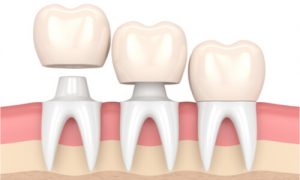 Crown overlay on the other hand is a restorative procedure that basically repairs and strengthens broken teeth. This prosthesis is somewhere in between fillings and full crown and is often the best solution for teeth with minimal damage. This is an office procedure used by dentists to restore certain areas in the teeth such as the top part. Other types of crowns include Onlays and inlays. The Onlay is placed on the cusp and the inlay is used to fill the space between the cusps.
 Your dental health should be one of your topmost priority when it comes to self-care. One of the reasons why people need a crown overlay is because of
 The expression “root canal” originates from cleaning of the trenches within a tooth’s root. Long ago, root canal therapies regularly were excruciating. With local anesthetics and dental advances, most individuals have nearly nothing if any agony with a root canal. It is likely more excruciating living with an infected tooth. Root canal alternatives incorporate extricating the damaged tooth and supplanting it with a dental implant, bridge or denture.
 Next, your dentist will clean and numb your mouth. If necessary, you will receive local anesthesia. After that, they will utilize a dental drill to eliminate rotted enamel from the tooth and to make a little opening in the tooth’s surface.