How many times a day should you use whitening strips for your teeth? This is a question that many people have, and the answer may vary depending on the person. Some people recommend using them every day, while others say that once or twice a week is sufficient. This blog post will discuss the pros and cons of using whitening strips regularly and help you decide how often it is right for you!
Teeth whitening strips- what are they?
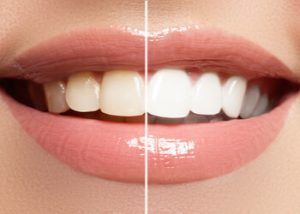
Teeth-whitening strips are a popular method for achieving brighter teeth. They are thin, flexible plastic strips coated with a peroxide-based bleaching gel. The gel penetrates your teeth and removes any stains or teeth discoloration.
How do they work?
The peroxide in the gel reacts with the organic molecules that cause staining, and this reaction breaks down the molecules into smaller pieces. This process is called oxidation, and it is what gives teeth-whitening strips their bleaching power.
Are they safe?
Yes, teeth-whitening strips are considered to be safe when used as directed. The peroxide in the gel is a low concentration, so it will not damage your teeth or enamel. However, if you use them too often or leave them on for too long, you may experience sensitivity.
What are the pros of using whitening strips?
There are many benefits to using teeth-whitening strips
-They are an affordable way to achieve brighter teeth
-They are easy to use and can be done at home
-They are relatively safe and have few side effects
There are also some drawbacks to using teeth-whitening strips:
-They can cause tooth sensitivity
-They may not work as well on deep stains
-You have to be careful not to leave them on for too long
How often should I use teeth whitening strips?
Now that we’ve discussed the pros and cons of using whitening strips, you may be wondering how often you should use them. The answer depends on your goals and your dentist’s recommendation. If you want to maintain your results, you need to use them once or twice a week. However, if you are trying to achieve a significant change in your teeth’s color, you may need to use them every day for a few weeks.
No matter how often you use them, be sure to follow the instructions on the package and consult with your dentist if you have any concerns.
How many times can you use whitening strips a year?
There is no definitive answer to this question. Some people use them once a year on their upper and lower teeth, while others use them multiple times per year. How often you can use whitening strips depends on your individual goals and needs.
If you have any questions about how often you should use whitening strips, ask your dentist. They will be able to give you personalized advice based on your unique situation.
How long should you wear teeth whitening strips?
The length of time you should wear teeth whitening strips on your teeth enamel depends on the concentration of peroxide in the gel. Lower concentrations can be left on for up to 30 minutes, while higher concentrations should only be worn for a few minutes. Be sure to check the packaging for instructions.
What are some alternatives to teeth whitening strips?
If you are looking for an alternative to teeth whitening strips, many options are available. You could try a teeth-whitening toothpaste or mouthwash or get a professional cleaning from your dentist. You could also try one of the many at-home teeth-whitening kits available.
Teeth whitening strips work by bleaching the teeth with a peroxide-based gel. The gel penetrates the teeth and removes any stains or discoloration. How long you leave the strips depends on the concentration of peroxide in the gel. Hydrogen peroxide and carbamide peroxide are the whitening agents in Gels and other whitening systems. Lower concentrations can be left on for up to 30 minutes, while higher concentrations should only be worn for a few minutes. Be sure to check the packaging for instructions.
Can I use whitening strips if I have sensitive teeth?
If you have sensitive teeth, you may want to consult your dentist before using whitening strips. They may recommend a different teeth whitening method that will be more gentle on your teeth.
Are there any side effects of using whitening strips?
The most common side effect of using whitening strips is tooth sensitivity. This is usually temporary and will go away once you stop using the strips. If you experience any other side effects, consult with your dentist.
Whitening strips are a popular way to achieve brighter teeth. They are easy to use, affordable, and relatively safe. However, they can cause tooth sensitivity and may not work as well on deep stains.
What are crest white whitening strips?
Crest white whitening strips are a famous brand of teeth whitening strips. They are one of the best teeth whitening strips available. They are easy to use, affordable, and relatively safe. However, they can cause tooth sensitivity and may not work as well on deep stains.
How frequently should you use Crest White Strips?
The Crest website says that you can use their strips every day for 14 days, then once or twice a week to maintain your results. How frequently you use the strips will depend on your goals and how often you want to achieve them. If you are trying to achieve a significant change in your teeth’s color, you may need to use them every day for a few weeks. How often you use whitening strips also depends on the peroxide concentration in the gel. Lower concentrations can be left on for up to 30 minutes, while higher concentrations should only be worn for a few minutes. Be sure to check the packaging for instructions.
Teeth whitening gels and toothpaste:
There are many different teeth whitening gels and toothpaste available on the market. How often you use them will depend on their concentration of peroxide. They contain different percentages of peroxide, which is the bleaching agent. How often you use them depends on your goals and how quickly you want to achieve them. You may need to use them every day for a few weeks if you are trying to achieve a significant change in your teeth’s color.
At-home teeth whitening kits:
Many at-home teeth whitening kits are available that can give you great results. How often you use them will depend on their concentration of peroxide. They contain different percentages of peroxide, which is the bleaching agent.
In-office teeth whitening:
If you want to achieve dramatic results quickly, you may consider getting an in-office teeth whitening treatment from your dentist. This type of treatment is usually done in one visit and can give you long-lasting results.
Teeth whitening safety tips:
– Always follow the instructions on the teeth whitening product.
– Do not leave teeth whitening products on your teeth for longer than recommended.
– Avoid swallowing teeth whitening products.
– If you experience any side effects, stop using the product and consult with your dentist.
How long do whitening effects last?
The effects of the whitening process can last for several months, but this will depend on how often you use them and your lifestyle. If you smoke or drink coffee, tea, or red wine, the effects of teeth whitening may not last as long. You may need to touch your teeth more frequently if you have these habits.
It is essential to practice good oral hygiene and visit your dentist regularly for whiter teeth to achieve long-lasting results.
Are there any natural ways to whiten teeth?
Many natural whitening methods are safe and effective. These include brushing with baking soda, using hydrogen peroxide, and eating crunchy fruits and vegetables. At-home methods for teeth whitening strips can be used daily.
How long do whitening effects last?
The effects of teeth whitening can last for a month, but this will depend on how often you use them and your lifestyle. If you smoke or drink coffee, tea, or red wine, the effects of teeth whitening may not last as long. You may need to touch your teeth more frequently if you have these habits.
It is essential to practice good oral hygiene and visit your dentist regularly for cleanings to achieve long-lasting results.
If you are considering having a palate expander put in, you likely have many questions. How long will it stay in your mouth? What is the procedure like? Is it painful? This blog post will answer ‘how long do palate expanders stay in?’ and give you a detailed overview of what to expect during and after the procedure. Keep reading to learn more!
Palatal Expansion: What for?
What is a Palatal Expander?
How do Expanders Work?
Types of Palatal Expanders
Side Effects of Palatal Expanders
How long do you typically need to wear a palate extender?
Caring for your Palatal Expander
Palatal Expansion: What for?
The expander is a type of orthodontic treatment that widens the upper jaw (maxilla) so that the lower jaw and top teeth may fit together more comfortably. This is a typical orthodontic treatment. The use of an expander is most frequent among children and adolescents, although it may also be used in adults.
A patient who would rather not wait several months for the result by a palatal expander may be able to opt for surgical separation of the maxilla. The use of an orthodontic expander is most often followed by braces to give space to crowded teeth then and straighten the teeth.
These devices are most commonly used in pre-adolescent children but can also be used in teens and adults. If your child has a crossbite or narrow upper jaw, a dentist may recommend using a palate expander to correct it.
How does the Palatal Expander Treatment Work?
Palate expanders are used to slowly expand the roof of the mouth for upper jaw expansion. Palate expanders are composed of two halves that are fastened to the top back molars on both sides of the jaw. A screw is typically used to join the halves together, situated high in the center of the mouth. You’ll be given a key to rotate the screw on a set timetable. This maintains pressure on both sides of the jawbone, forcing them to spread and separate. Palate expanders are custom-made. The orthodontist will take an impression of the upper jaw and teeth. This impression will be sent to a laboratory to make an expander that fits perfectly to the mouth.
It can be used to widen the jaw.
A narrow jaw can lack room for proper tooth alignment, which can cause crowded, crooked, and overlapping teeth. Since it reduces gum space, a narrow jaw can also lead to impacted teeth.
Palate expanders widen the upper arch of your jaw, making room for a child’s permanent teeth to erupt through the gums into their correct position. In some instances, the payoff of wearing a palatal expander is enormous. It will ensure your child can get a broad, beautiful smile without the need for tooth extractions, lengthy treatment, or even corrective jaw surgery in adulthood.
It can be used to correct a posterior crossbite.
Palate expanders are also used to correct crossbites. A crossbite is a dental malocclusion type that causes the upper teeth to sit inside the lower teeth. If left untreated, crossbites can cause complications such as:
pain
tooth decay
sleep apnea
Types of Palatal Expanders
Palate expanders come in a variety of shapes and sizes. Some are removable, while others are designed to stay in the mouth for months at a time. You and your orthodontist can choose which type is appropriate for you based on the kind of treatment necessary.
Removable palate expander
If you require only a small amount of jaw expansion, your orthodontist may prescribe a removable palate expander. There are many different removal brands to choose from.
Except while eating, playing sports, or brushing teeth, you should wear the removable palate expander for 24 hours daily. They might only require two or three turns of the screw each week rather than daily or twice daily.
Hyrax rapid palatal expander
The fixed mouth expander has bands that are meant to fit closely around each back molar. The expander is secured using these bands, which are glued onto the teeth.
The hyrax has a screw situated in its middle, under the roof of the mouth. You will be given a key to turn this screw, with instructions on doing it.
Quad helix appliance
The quad helix is a fixed expander glued to the back teeth as well. This expansion is inserted into the mouth in a compressed position initially. It opens naturally over time, and no manual adjustments are required at home.
Haas expander
The fixed expander is also welded to the back molars. An acrylic plate that expands when compressed contains a screw in its center. This applies pressure to the palate and teeth.
Side Effects of Palatal Expanders
When you bite down too hard, a space develops between the two top front teeth. This is typical and intended for jaw expansion. Over time, this gap tends to close naturally. Wearing an orthodontic appliance may be suggested in certain situations.
Temporary side effects of wearing a palate expander may include:
lisping
drooling
headaches
How long do you typically need to wear a palate extender?
The upper and lower jaw bones do not ultimately develop until after puberty. Palate expanders function best before the jawbone has fully formed and grown. That is why palate expanders are used for a shorter time in children than in teenagers or adults.
Palate expanders can increase the jaw to the correct size in children between 2 and 3 months after they are placed. The gadget is left in for additional months, so the jawbone mingles and grows together.
This stage may take a year or longer in individuals with fully formed jaws. It’s also possible that you can’t use a regular type of device to expand the jaw at all. A surgically inserted palate expander might be recommended in some cases instead by your orthodontist.
Caring for your Palatal Expander
Keeping your teeth, gums, and expander clean and bacteria-free is critical. Plaque accumulation can cause irritation and swollen gums, making it more challenging to change your expander.
Whether you have baby or adult teeth, brush and floss them daily, especially after eating. As directed by your dentist, you may use an electric or manual toothbrush.
You may also use a mouth rinse squirted into the nooks and crannies of the device.
It’s no secret that impacted wisdom teeth can be a nightmare. They’re often infected, and they cause many different symptoms. In this blog post, we’ll take a look at some of the most common infected wisdom tooth symptoms, so you know what to watch out for and ask for wisdom teeth removal as soon as possible!
What is a third molar infection?
A third molar or ‘wisdom’ tooth usually erupts between ages 17 and 25. Wisdom tooth infection is a serious complication when bacteria invade this area and spread into the surrounding tissues and bone. The key sign of this condition is swelling and pain in the gum tissue near the site of the impacted wisdom tooth. Other symptoms may include fever, chills, fatigue, and feelings of impaired general wellness. In some cases, these infections can lead to dental cellulitis, a spreading inflammation affecting the deeper layers of skin tissue.
Typical symptoms of tooth infection
Wisdom tooth infection symptoms can be very different. While some people will experience extreme pain, others may not notice anything wrong at all. The most common infected molar symptoms include, but are not limited to:
Dull or sharp pain in the mouth and gums that shoot into other areas of the face
Swelling
Bad breath
Fever
Headaches
Bleeding gums or bleeding of any kind after touching the area with your tongue or fingers or brushing teeth (you must not brush your teeth if they are infected)
Inflammation around the jawline on one side of your face
Strange taste in your mouth.
Swollen face
In most tooth infections, the impacted wisdom tooth symptoms that you will experience will be from the inflammation in your face. It’s important to note that not all people with an infected wisdom tooth get this symptom. Suppose a person experiences inflammation around their face and jawline on one side with or without pain or other symptoms associated with it. In that case, the dentist should rule out wisdom tooth infection. Consult your dentist to better address the problem.
Fever and chills
A person with an infection of a partially impacted wisdom tooth may develop fever and/or chills. Your immune system fights the infection, and an increase in your body temperature is part of your body’s reaction to this plight. The only way to know if your infection is advanced enough to cause these symptoms is to visit your dentist for a checkup.
Swollen lymph nodes
A rare infected wisdom tooth symptom is swollen lymph nodes located around your jawline, neck, and throat. If you suspect you have an infection of any kind in your mouth or other teeth, it’s always a good idea to let your dentist know, and they may ask for some blood tests just to be sure. Lymph nodes that are swollen or located in different parts of your body (inside crevices such as knees and elbows) could be a sign of another infection altogether and should not be ignored. Also, note that this symptom has little to do with infections in the mouth area itself but more so for infections elsewhere in your body.
Bad breath
It’s important to realize that if you do have an infection of the wisdom teeth or any other teeth, not only will it cause pain and swelling, but it is likely the root cause of bad breath as well. In most cases, a person who experiences swollen gums and/or pus formation from the bacterial infection will also experience bad breath, at least temporarily. While this symptom is normal for those with an infected wisdom tooth, it can also be a sign of gum disease, so it’s always a good idea to contact your dentist immediately if you suspect something else might be going on as well.
Sensitivity in wisdom teeth
One of the more common and less serious impacted wisdom tooth symptoms that may also be linked to an infection of your wisdom teeth (or any other teeth) is sensitivity in that area. Typically, this will only be limited to one side of the face (although this isn’t always the case) and can be felt when you touch around your jawline/area with your fingers or tongue. The pain may not always come from touching, but merely putting pressure on it might make you feel discomfort or even sharp pain.
Nausea and vomiting
Some people who have an infected wisdom tooth may also experience nausea and/or vomiting as part of their infection cycle symptoms. This is a sign that the infection may have already spread to other parts of the body. However, those with swollen gums and pus formation around the area directly near their wisdom teeth will exhibit this symptom. It’s important to note that mouth germs (bacteria) and blood germs (the septic type) can both cause bad breath, swollen glands, and nausea/vomiting as well.
Tenderness around the mouth
Another common infected wisdom teeth symptom is tenderness or pain in that general area. The reason can be attributed to several things, but for those who have an infection, it’s typically due to these factors:
Nerve endings are highly concentrated in that area, so many people experience such high levels of pain when they suffer from swollen gums and pus formation.
Pressure on the teeth causes them to feel more sensitive than they normally would (similar to how your fingers might feel when you hit your funny bone).
The infection (tooth decay) caused by the bacteria near the area where your wisdom teeth (or any other teeth) are located can cause even more pain, leading to elevated soreness levels.
Swollen Glands
The last of the most commonly known impacted wisdom teeth symptoms are swollen glands. If you’re experiencing pain, tenderness, and swollen gums, there’s a good chance that your glands are going to be swollen as well simply because they’re involved in how your body reacts to what happens elsewhere. We should also note that it’s always a good idea to see a doctor immediately if you suspect an infection or know for a fact that you have one somewhere. You might not need antibiotics, but they should check out what’s going on rather than guess at it.
Unusual discharge from the mouth or ears
There are some signs and symptoms of infected wisdom teeth in rarer cases, including unusual discharge from the mouth or ears. Typically this will be in small amounts, but it can also lead to a fever if you have a pus-filled infection. This is another easy sign to spot because most people with a bad enough infection will also experience throbbing pain around their neck and jaw areas.
Headache
Headaches are not as common as some other symptoms, but they can still occur, so they should be noted as something to watch out for. When you feel a headache in conjunction with any other of these impacted wisdom teeth symptoms, it’s worth seeing a doctor as soon as possible since this may indicate something more serious is going on, such as meningitis. Again, people usually experience one symptom, but any combination of these can all point towards an infection and/or swelling.
Red, hot skin
Those with swollen gums may also have red and hot skin around the area. It should be noted that this is typically a severe symptom, so you should always see a doctor as soon as possible if any of these symptoms are present. This can indicate septicemia (blood poisoning) or dental cellulitis (an infection caused by bacteria getting into the tissues). Either way, it’s better to be safe than sorry if something like this happens to you; therefore, make sure your doctor knows how long it’s been since your last checkup, and don’t forget that they need to know all of your symptoms too!
Swollen tongue
This is typically a sign of infection and inflammation (irritation, swelling, heat, redness, etc.) from a complete or partially erupted wisdom tooth. Please note that this symptom can also be present if you’re having difficulty speaking or swallowing due to the muscles in your throat area being affected as well. If this is the case, you should see a doctor immediately but don’t forget to tell them about all of your symptoms; otherwise, it may not be recognized correctly and treated properly! Medication can take its time to work, so don’t rush yourself and remember that rest and hydration are key.
Painful speaking, swallowing, or breathing
Painful swallowing is another one of the impacted wisdom tooth symptoms and can happen to everyone at some point. However, if you begin experiencing this regularly, it’s best to see a doctor or dentist as soon as possible. This could be a sign that something else is going on, such as swelling or infection, so it’s always better to be safe than sorry! If left untreated, these symptoms may even lead to an abscess that will require more urgent attention.
In the end, if you’ve been having any of these symptoms that infected wisdom teeth can cause or see signs of infection, swelling, tooth decay, and/or inflammation within that general area, it’s important to seek out immediate medical attention or wisdom tooth removal. Although we can effectively treat some infections at home with prescription medications, others require dentist’s care. So don’t hesitate to go in right away if your gums have become extremely swollen or your teeth start hurting a lot more than usual! Experienced dentists can reassure you that everything is well when they’re done checking everything out since they know what to look for. If you need further information or schedule an appointment, do not hesitate to contact your trusted dentist today.
Many submucous cleft palate symptoms should be taken into account. This condition can affect a person’s speech, dental hygiene, and swallowing ability. In fact, this type of cleft palate may result in ear infections, so try going to an ENT surgeon if your child develops ear problems. Other issues associated with the submucous cleft palate are sinusitis and sleep apnea. This blog post will cover the submucous cleft palate treatment options and how it affects these different aspects of someone’s health.
What is a Submucous Cleft Palate
A submucous cleft palate is a birth defect that affects the roof of the mouth. It occurs when the soft palate or tissue between the mouth and nose does not fuse properly during development, leaving a small opening in the roof of the mouth. In any case, this condition does not always involve a cleft in the hard palate. Furthermore, a submucous cleft palate occurs when failure of fusion of the palatal shelves during fetal development results in a bifid uvula and submucous cleft palate/nasal cavity. This can cause problems with speech and swallowing.
Causes of a Submucous Cleft Palate
A submucous cleft palate (SMCP) is a form of submucosal cleft palate. Some portion of the soft palate fails to fuse properly. There are two types: submucous and overt. A submucous cleft palate can be seen as a grove or furrow on an endoscopic exam but cannot be seen from the outside.
In any case, there are many different causes of the submucous cleft palate. Some include:
Genetics: This type of cleft palate is more likely to occur in families where the condition occurred before.
Environmental Factors: The condition is most common between 16-22 weeks gestation. This means submucous cleft palate may be caused by exposure to toxins like alcohol or certain medications like Accutane.
Maternal Health: Submucous cleft palate is more common in infants born to mothers with diabetes and those who smoke.
Birth: This cleft palate type may occur due to fetal distress, prolonged labor, or if the infant’s head is rotated upon delivery.
Previous Surgery: Submucous cleft palate may result if the tissue is damaged during surgery.
Complications From Cleft Palate Treatment: Submucous cleft palate will not heal independently. Treatment must be performed to close the split in the membrane. If this treatment is unsuccessful submucous cleft palate can reoccur.
In some cases, this issue may occur for unknown reasons.
Symptoms of Submucous Cleft Palate
Some symptoms of submucous cleft palate:
Speech problems
Speech articulation problems, such as abnormal nasal speech, are common in a submucous cleft palate. This is because the roof of the mouth is not formed correctly. You can book an appointment to a professional to check the different methods to improve your speech issues.
Feeding problems
This type of cleft palate is associated with feeding problems in babies. This is because they have difficulty sucking and swallowing.
Nasal congestion
This condition can lead to nasal congestion because the tissues that separate the nasal passages and the mouth are not formed properly.
Frequent ear infections
As a matter of fact, ear infections are prevalent in children with submucous cleft palates. This is because the opening in the roof of the mouth can allow bacteria and other germs to enter the middle ear. Ear infections can cause pain, fever, and drainage from the ear.
Delayed adolescence speech development
This is common in children with submucous cleft palates. This is because the opening in the roof of the mouth can cause difficulty pronouncing certain sounds.
Sleep apnea
In some cases, a submucous cleft palate can cause sleep apnea. This condition happens when breathing stops during sleep. The submucous cleft palate can damage the soft palate, uvula, or tongue root. Talk to your dentist if issues like sleep apnea occur.
Cleft lip nose deformity
Cleft lip nose deformity is a condition in which the nose is misshapen due to an opening in the roof of the mouth. This opening can cause problems with eating, speaking, and breathing. Cleft lip nose deformity is a common symptom of the submucous cleft palate.
Dental problems
Dental problems are common in people with submucous cleft palate. This cleft palate type can cause difficulty swallowing, leading to food being lodged in the teeth. Food left in the teeth for a long time can cause tooth decay and gum disease. Visit a dental provider like Coorparoo’s trusted clinic, Complete Dental,to address your child’s dental issues like this.
Poor weight gain
Weight gain is not always easy if a submucous cleft palate is present. This is because this cleft palate can affect the function of the esophagus, stomach, and intestines. Because the submucous cleft palate does not allow food to pass through properly, resulting in slower weight gain than expected.
Sudden submucous cleft palate in adults
Submucosal cleft palate in adults is rare, but it can cause difficulty swallowing and breathing if it occurs. This is because the submucous cleft palate affects the function of the soft palate and uvula, which are used to pass food into the esophagus during swallowing.
The symptoms for submucous cleft palate can vary but often include feeding difficulty, speech problems, and frequent ear infections. In some cases, this condition can also cause respiratory problems.
If you believe your child may have a submucous cleft palate, please contact your pediatrician for a diagnosis. Treatment options vary depending on the severity of the condition. Still, they may include speech therapy, surgery, and/or braces. Early diagnosis and treatment are essential for the best possible outcome for a submucous cleft palate.
How is Submucous Cleft Palate Treated?
There is no one-size-fits-all treatment for the submucous cleft palate. Treatment will vary depending on the symptoms and severity of the cleft. In general, treatment may include:
Speech Therapy
Speech therapy is often recommended for children with this cleft palate issue to improve their articulation. In fact, this therapy aims to improve velopharyngeal closure and reduce hypernasality. Hearing aids may be necessary in severe submucous cleft palate cases.
A few different types of submucous cleft palate surgery can be done to treat the symptoms. These surgeries may include:
Palatoplasty
This is the most common surgery for the submucous cleft palate. Palatoplasty is a surgery to repair the palate. It can be done either through the mouth or through a small incision in the neck.
Maxillary advancement
After submucous cleft palate surgery, the maxilla is typically brought forward. This can be done by wearing a maxillary expander device for about 8-12 weeks.
Alveolar bone grafting
A submucous cleft palate can cause crooked teeth or gaps between the teeth. This is because of a lack of bone to support them. In alveolar bone grafting, the doctor removes the existing bone and replaces it with a block of donated bone which encourages new bone growth to create a strong foundation for teeth.
Nasopharyngoplasty
This surgery improves people’s nose and throat function with submucous cleft palate. It can be done through the nose or through a small incision in the neck.
Labiolingual flap repair
This surgery improves the mouth’s function in people with submucous cleft palate. Professionals usually perform this on one side because the submucous cleft palate is usually not symmetrical.
Palatal lengthening procedure (PLP)
The soft tissue that separates the nasal passages from the mouth can be missing in the submucous cleft palate. This surgery lengthens this tissue and improves the submucous cleft palate symptoms.
Pharyngeal flap surgery
This surgery improves the mouth’s function in people with submucous cleft palate. It usually only needs to do on one side because the submucous cleft palate is usually not symmetrical.
Velopharyngeal insufficiency (VPI) surgery
VPI surgery is a type of surgery that treats submucous clefts caused by trauma. This surgery can help to improve the function of the mouth and throat. It is usually only necessary on one side because the submucous cleft palate is usually not symmetrical.
Surgery for submucous clefts caused by trauma
If the submucous cleft palate happens because of trauma, surgery may be necessary to repair the damage.
Generally, submucous cleft palates are malformations of the roof of the mouth. Before performing any surgical treatment, a palate expander may be necessary, so it’s easier for patients to consume food during their cleft palate journey.
Furthermore, the primary goals of submucous cleft palate surgical treatment are to achieve velopharyngeal closure, reduce hypernasality and restore nasal airway.
Prevention for a Submucous Cleft Palate
There is no known way to prevent the submucous cleft palate. However, pregnant women need to seek prenatal care when they realize they are pregnant. This will help ensure that their doctors detect and treat early any potential problems. If the doctor diagnoses a submucous cleft palate during pregnancy, they may recommend a C-section at delivery. This is to avoid any trauma to the infant during labor and delivery.
A submucous cleft palate is a common birth defect that forms during pregnancy’s third and fourth months. The primary cause of submucous cleft palate is not clear. However, many experts believe this condition occurs when the two plates of tissue do not join entirely in forming the mouth and nose. Doctors usually discover a submucous cleft palate at birth or within a few months.
It is essential to recognize the submucous cleft palate as early as possible for comprehensive treatment and an effective long-term prognosis.
Conclusion
You can better understand your child’s diagnosis by understanding the symptoms, treatment options, and prognosis for submucous cleft palate. This is important because it will help you decide what type of surgery to pursue and how aggressively they need treatment like speech therapy or other intervention.
You can also ask your dentist’s recommendations about other possible ways to improve this condition. Knowing about the surgical procedure is also helpful to prepare them psychologically for any potential pain during recovery. So there won’t be a lot of surprises after they go under anesthesia. Finally, knowing the long-term outlook will relieve you from feeling like everything hinges on this one decision. Remember that there are many ways that children who have had this surgery do just fine.
We’ve all been there: you spend hours choosing the perfect teeth whitening strips, and after using them for a while, your teeth hurt. You might think it is because they are sensitive to cold or hot temperatures, but why do my teeth hurt after using whitening strips? There are many reasons we experience tooth sensitivity following the use of these products. The most common causes include enamel thinning from overuse of whitening treatments and products, enamel irritation from harsh chemicals in some bleaching agents, and an allergic reaction to certain ingredients such as hydrogen peroxide or carbamide peroxide. We will explore each one below!
What are teeth whitening strips made of and why do they work
Teeth whitening strips can often cause a great deal of pain for those that use them. Most people associate the pain with the increased teeth sensitivity they experience, but this is not actually what is causing the pain. The reason why teeth hurt after using whitening products is because of the chemicals found in them.
The bleaching agents in the strips can cause pain and sensitivity issues, primarily if misused. It is essential to follow the instructions exactly as they are written to avoid any pain. If you experience any discomfort, discontinue use and contact your dentist.
Teeth whitening strips are one of the most popular ways to achieve brighter teeth without going through a more invasive procedure like laser tooth whitening. They are also much less expensive than other methods.
Why do my teeth hurt after using them
One of the most common questions people ask about teeth whitening strips is, “Why do I experience toothache after using them?” The answer to this question depends on what kind of tooth pain you are having. Here is a breakdown of some different types of pains and why they may occur after using whitening strips:
Sensitive Teeth
One of the most common side effects of teeth whitening is that it can make your teeth sensitive. This occurs when the bleaching agent comes into contact with the enamel on your teeth and causes it to become temporarily more porous. This can lead to discomfort or pain in your teeth, especially when you are eating or drinking something cold or hot.
Gum pain
Whitening strips can also cause gum pain if they are not applied correctly. If the tooth whitening agent comes into contact with your gums, it can cause them to become irritated and inflamed. In some cases, this may even lead to gum recession.
Tooth Pain
In some rare cases, it can actually cause toothache. This may be due to the fact that the bleaching agent is coming into direct contact with the nerve in your tooth. If you are experiencing any tooth pain after using whitening strips, it is best to consult with your dentist to try to find the root of the problem.
How should I use the strips for the best results?
When using whitening strips, it is important to follow the instructions closely in order to achieve the best results. First, brush your teeth and floss them well to remove any plaque or debris. Then, cut the strip to fit your teeth and apply it according to the directions.
Most strips should be left on for 30 minutes, but some can be left on for 60 minutes or more if the package says that it is safe. After removing the strip, brush your teeth as usual, and you should find that your teeth are noticeably whiter!
Although following the instructions is important, some people experience discomfort or pain after using whitening strips. This is most likely due to the bleaching agent in the strips and usually goes away within a few hours. If the pain is severe or lasts for more than a day, stop using the strips and consult a dental professional.
What is tooth sensitivity, and what can I do about it
One of the most common side effects of people who use teeth whitening strips is increased tooth sensitivity. This occurs when the bleaching agent comes into contact with the enamel on your teeth and causes it to become temporarily more porous.
This temporary increase in porosity can lead to a feeling of discomfort or pain in your teeth, especially when you are eating or drinking something cold or hot.
There are a few things that you can do to help alleviate sensitivity. First, make sure to brush your teeth and floss them well before using whitening strips. This will help remove any debris that may be on your teeth and prevent the whitening agent from coming into contact with it.
Another thing that you can do to help improve this tooth pain is to drink plenty of fluids after using teeth whitening strips. This will wash away the chemicals in the whitening solution and help to soothe any that may be occurring.
If the teeth sensitivity is severe or lasts for more than a day, stop using the whitening strips and consult your dentist. They may be able to prescribe a toothpaste or other treatment that can help to lessen the pain.
How do you stop your teeth from hurting after whitening strips?
Teeth whitening strips can be effective in lightening the color of your teeth, but it often causes pain and discomfort in many people. There has been considerable debate on whether or not bleaching causes damage to the tooth enamel, and this will be discussed later in the article. For now, let’s take a look at some ways to reduce sensitivity after using whitening strips.
One way to reduce teeth sensitivity is to use desensitizing toothpaste before you start bleaching your teeth. This will help coat and protect your teeth from the harsh chemicals in the whitening strip. Be sure only to use a pea-sized amount of toothpaste on your brush. In order to prevent tooth sensitivity the day after bleaching, try using a desensitizing mouthwash before going to bed after whitening your teeth.
It is important to note that desensitizing products alone do not protect against gum irritation and other types of pain associated with bleaching.
If you have already experienced pain after bleaching your teeth, there are a few things you can do to relieve the discomfort. First, rinse your mouth with cold water. This will help to reduce any inflammation in your gums. You can also try using toothpaste or mouthwash that contains fluoride. Fluoride helps to rebuild enamel that may have been damaged during bleaching.
It is also a good idea to switch from whitening strips to fluoride toothpaste after bleaching your teeth. Fluoride helps to strengthen enamel and reduce the risk of future tooth sensitivity.
Is there anything else I need to know before using these products
First and foremost, always read the instructions on the teeth whitening strip packaging before using them. Some people experience tooth sensitivity or gum irritation after using whitening strips, so it’s important to be aware of these potential side effects before you start bleaching your teeth. In addition, make sure to avoid contact between the whitening strips and your gums, as this can also lead to irritation.
If you’re using whitening strips for the first time, it’s a good idea to start out with a lower concentration of bleaching agents, such as 10 percent or 20 percent. This will help minimize any potential tooth or gum sensitivity. You can always increase the strength of the whitening solution the next time you use your teeth whitening strips.
How long should I wear them?
Teeth whitening strips usually last for at least an hour, sometimes up to an hour and a half. The time depends on the brand, but there is no set number of hours every person should wear these strips. Some people do not experience any discomfort or pain when wearing their whitening strips, while others find the sensation mildly irritating. If you are one of the latter, it is best to start by wearing them for a shorter amount of time and then gradually increase the duration as your teeth get used to the strips.
Can I Use Teeth Whitening Strips If I have sensitive teeth?
If you have sensitive teeth, it is vital to be correctly informed about the product before use. Teeth whitening strips are designed to help remove stains that accumulate on enamel tooth surfaces. Most people will notice results after using their whitening strips just once or twice, but many reports improve results each time they use their product. It is also important to note that teeth whitening strips may help reduce tooth sensitivity that is caused by cavities, natural aging of the teeth, or gum disease.
Teeth with buildup on them are more difficult for the whitening agent to penetrate, so it works better to have a clean surface.
Alternatives to Teeth Whitening Strips
There are a few other teeth whitening treatments that you can try to get your teeth whitened if you’re not comfortable using whitening strips.
Over-the-counter Whitening Pens
One option is to use over-the-counter whitening pens or gels. These products usually come with a brush or applicator that helps you apply the bleaching agent directly to your teeth. Whitening pens and gels are a good choice if you want to achieve quick results, as they usually produce noticeable changes in teeth color after just one use.
Whitening Toothpaste
Another option is to try tooth whitening toothpaste. Whitening toothpaste usually contains small amounts of bleaching agents, so they may not be as effective as whitening strips or gels, but they can still help lighten teeth by a few shades.
Teeth Whitening Kits
Teeth whitening kits usually come with a whitening gel or solution and trays or strips that you use to apply the bleaching agent to your teeth. Teeth whitening kits are a good choice to achieve gradual and long-lasting results, as they usually produce the best results after repeated use.
Bleaching trays
This treatment is an alternative to whitening strips, and results can be seen in a similar amount of time.
One important caveat is to keep in mind when you are bleaching your teeth with this method is that the solution should not come into contact with your gums lest you risk irritation of this delicate tissue.
It is recommended that you wrap gauze strips around the teeth whitening tray to create a barrier between your gums and the bleaching solution.
Professional Teeth Whitening
If you’re looking for a more comprehensive teeth whitening treatment, you can consider professional bleaching treatments at the dental office. Professional bleaching treatments use more potent agents than over-the-counter products to produce more noticeable results in a shorter amount of time.
Downsides of teeth whitening
Teeth whitening could include an increased risk for oral cancer, gum irritation or injury, and other side effects.
As with any product that works to bleach your teeth, it is essential to keep in mind some potential drawbacks involved with this process. The most common side effects of teeth whitening include gum irritation, tooth sensitivity, and enamel erosion.
In some cases, more serious side effects such as oral cancer can occur after teeth whitening treatment. For this reason, it is essential to consult with your dentist before starting any teeth whitening treatment to ensure that you are aware of all the risks involved.
Additionally, it is essential to note that teeth whitening treatments should not be used excessively, as this can also lead to adverse effects such as tooth erosion that can cause permanent damage.
It is best to limit your teeth whitening treatments to a few times a year in order to reduce the risk for these side effects.
Talk to Your Dentist About Your Teeth Whitening Sensitivity
Teeth whitening strips are a great way to get a brighter smile and boost confidence. However, many people experience discomfort after use due to the sensitivity of the gums and mouth following exposure to hydrogen peroxide (one of the key ingredients in most tooth whitener products). This is because these chemicals can irritate sensitive tissues that line the inside of your mouth. If you find yourself experiencing this same sensation after using a strip, please discontinue use as soon as possible for the best results. Your body will eventually adjust to normal once it heals from any irritation or pain caused by this process. You may also want to consider switching to an oral rinse like Colgate® Optic White™, which contains less harsh chemicals.





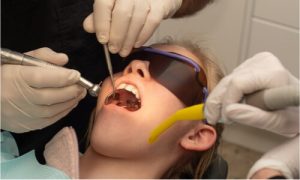 Palate expanders are used to
 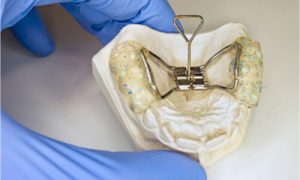 If you require only a small amount of jaw expansion, your orthodontist may prescribe a removable palate expander. There are many different removal brands to choose from.
 The upper and lower jaw bones do not ultimately develop until after puberty. Palate expanders function best before the jawbone has fully formed and grown. That is why palate expanders are used for a shorter time in children than in teenagers or adults.

 One of the more common and less serious impacted wisdom tooth symptoms that may also be linked to an infection of your wisdom teeth (or any other teeth) is sensitivity in that area. Typically, this will only be limited to one side of the face (although this isn’t always the case) and can be felt when you touch around your jawline/area with your fingers or tongue. The pain may not always come from touching, but merely putting pressure on it might make you feel discomfort or even sharp pain.
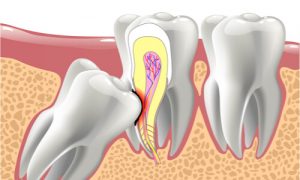 This is typically a sign of infection and inflammation (irritation, swelling, heat, redness, etc.) from a complete or partially erupted wisdom tooth. Please note that this symptom can also be present if you’re having difficulty speaking or swallowing due to the muscles in your throat area being affected as well. If this is the case, you should see a doctor immediately but don’t forget to tell them about all of your symptoms; otherwise, it may not be recognized correctly and treated properly! Medication can take its time to work, so don’t rush yourself and remember that rest and hydration are key.

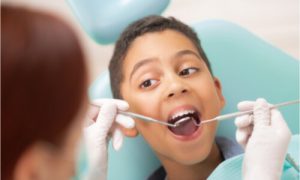

 When using whitening strips, it is important to follow the instructions closely in order to achieve the best results. First, brush your teeth and floss them well to remove any plaque or debris. Then, cut the strip to fit your teeth and apply it according to the directions.
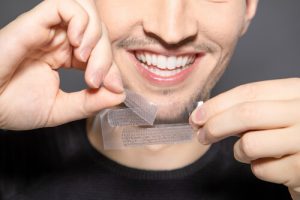 Teeth whitening could include an increased risk for oral cancer, gum irritation or injury, and other side effects.


