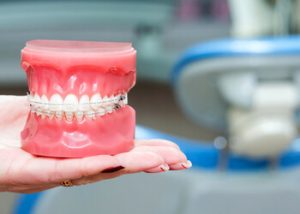
Many people debate whether braces are considered a cosmetic procedure or necessary. The truth is, it depends on the person. Braces are a cosmetic procedure if you are self-conscious about your teeth and want to improve your smile. However, if you have misaligned teeth or other dental problems that need to be corrected, then braces are a necessity. In the blog, we will discuss the question, “Are braces considered cosmetic?”
Braces and cosmetic dentistry
While braces are often used for cosmetic purposes, they can also be used to fix dental problems. For instance, if you have crooked teeth, braces can help align them. If you have an overbite or an underbite, braces can help correct that. In other words, while braces are often seen as a cosmetic procedure, they can also be considered a necessary one depending on the person. Hence braces are said to combine.
It is the branch of dentistry that deals with preventing and correcting irregularities in the teeth. Braces are one way that an orthodontist can correct these irregularities. While some people may get braces for purely cosmetic reasons, others may need them for functional reasons.
Functional problems that braces can correct include:
-crooked teeth
-crowded teeth
-overbites
-underbites
While some people may argue that braces are nothing more than a cosmetic procedure, the truth is that they can be used to fix many different dental problems. Whether or not you need them depends on your situation.
Cosmetic Dentistry
Cosmetic dentistry is a branch of dentistry that deals with the appearance of teeth. While some procedures, such as braces, can be used for cosmetic and functional purposes, others are purely cosmetic. Orthodontic treatments to promote healthy teeth and good oral health, such as alignment of Jaws, are considered treatments are combining cosmetic dentistry.
Some purely cosmetic dental procedures include:
-Teeth whitening
-Dental veneers
If you are looking to improve your smile, you may consider one of these cosmetic dental procedures. However, if you have a dental problem that needs to be corrected, you will need to see an orthodontist for braces or another functional procedure. Whether or not you need braces is up to you!
Braces are often seen as a cosmetic procedure, but they can also be used to fix many different dental problems. Whether or not you need them depends on your situation. If you are self-conscious about your teeth and want to improve your smile with straighter teeth, braces are a cosmetic treatment procedure, and you should consult cosmetic dentists.
Orthodontics vs. Cosmetic Dentistry
It is essential to understand the difference between orthodontics and cosmetic dentistry. Orthodontics is the branch of dentistry that deals with diagnosing, preventing, and treating dental and facial irregularities. On the other hand, cosmetic dentistry is concerned with improving the appearance of a person’s teeth.
While both orthodontics and cosmetic dentistry improve a person’s smile by teeth straightening, they are two different things. Orthodontics is considered a necessary procedure because it can fix dental problems to promote better dental health, such as correcting crooked teeth or an overbite. On the other hand, cosmetic dentistry is considered a cosmetic procedure because it is used to improve the appearance of a person’s teeth.
Overlap Between Cosmetic Dentistry & Orthodontics
There is some overlap between orthodontics and cosmetic dentistry. For instance, braces are often used for both cosmetic and functional purposes. However, some cosmetic procedures, such as teeth whitening or veneers, are purely cosmetic.
It is essential to understand the difference between these two types of dentistry to make an informed decision about which type of procedure is right for you. If you are looking to improve your smile, you may want to consider a cosmetic dental procedure. However, if you have a dental problem that needs to be corrected, you will need to see an orthodontist for braces or another functional procedure.
Cosmetic Dentistry vs. Orthodontics – Similarities & Differences
There are both similarities and differences between cosmetic dentistry and orthodontics. Both are used to improve a person’s smile. However, orthodontics is concerned with diagnosing, preventing, and treating dental and facial irregularities. Cosmetic dentistry is only concerned with improving the appearance of teeth.
Some procedures, such as braces, can be used for cosmetic and functional purposes. Consult a cosmetic dentist to find out more about cosmetic and orthodontic procedures.
Do I need braces?
The answer to this question depends on your situation. Braces are a cosmetic treatment procedure if you are self-conscious about your teeth and want to improve your smile. However, if you have a dental problem that needs to be corrected to improve your oral health, you need to see an orthodontist.
No matter your reason for considering braces, it is essential to consult with a qualified orthodontist to find out if they are the right choice for you.
What are the different types of braces?
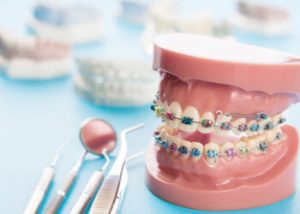
There are many different types of braces available on the market today. The type of brace that is right for you will depend on your situation. Some of the most common types of braces include:
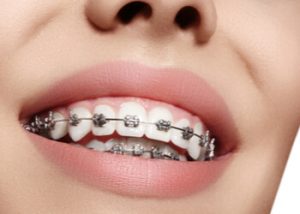
-Metal braces: These are the most traditional type of braces. They are made from high-grade stainless steel and are very strong. Metal braces are less expensive than other braces, but they are also more visible.
Ceramic braces are made from clear or white ceramic brackets and are less visible than metal braces. Ceramic braces are more expensive than metal braces, but they are less likely to discolor your teeth.
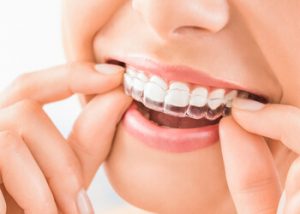
-Invisalign: These are clear, plastic aligners virtually invisible when you wear them. Invisalign is one of the most popular types of orthodontic treatment, but it is also one of the most expensive.
-Lingual braces: These are metal braces attached to the back of your teeth, making them invisible when you smile. Lingual braces are more expensive than other braces, but they are also less visible.
No matter what type of brace you choose, it is essential to consult with a qualified orthodontist to find out if they are the right choice for you.
What is the cost of braces?
The cost of braces varies depending on the type of brace you choose and the severity of your dental problem. Metal braces are usually less expensive than other braces, but they are also more visible. The cost ranges from $2000 to $4500. Ceramic braces are made from clear or white ceramic brackets and are less visible than metal braces. However, they are more expensive than metal braces, ranging from $3000 to $5000.
Invisalign is one of the most popular types of orthodontic treatment, but it is also one of the most expensive, ranging from $4000 to $6000. Lingual braces are metal braces attached to the back of your teeth, making them invisible when you smile. However, they are more expensive than other braces, with the cost ranging from $5000 to $6500.
No matter what type of brace you choose, it is essential to consult with a qualified orthodontist to find out if they are the right choice for you.
What are the risks and side effects of braces?
The risks and side effects of braces vary depending on the type of brace you choose and the severity of your dental problem. The risks include:
-Allergic reactions: Some people are allergic to the metals used in braces, such as nickel. If you are allergic to metal, you may experience a rash or hives.
-Gum disease: If you have gum disease, it can worsen when you wear braces because the brackets and wires can irritate your gums.
-Tooth decay: If you don’t brush and floss properly, you may be at risk for tooth decay.
Which treatment is right for me?
The type of treatment that is right for you will depend on your situation. You will have to consult your orthodontist to figure out which kind of braces are right in your case.
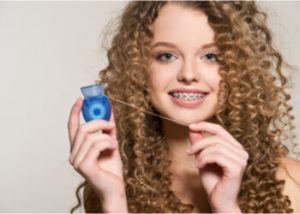
If you are an orthodontic patient, it is essential to know how to use dental floss correctly. Dental floss is necessary for keeping your teeth and braces clean, and it can help prevent gum disease and other oral health problems. This guide will teach you how to use dental floss for braces effectively and efficiently. We will also provide some tips on choosing the right type of dental floss. You can also go to Leichhardt Marketplace’s dental clinic if you need to consult a professional.
How to Floss with Braces: Methods, Tips and More
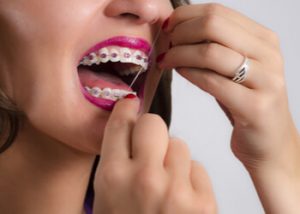
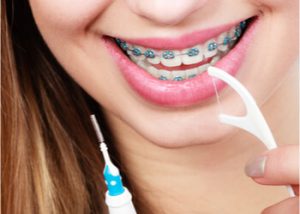
There are a few different methods you can use to floss with braces. The most important thing is to be gentle and take your time. You do not want to damage your braces or injure your gums.
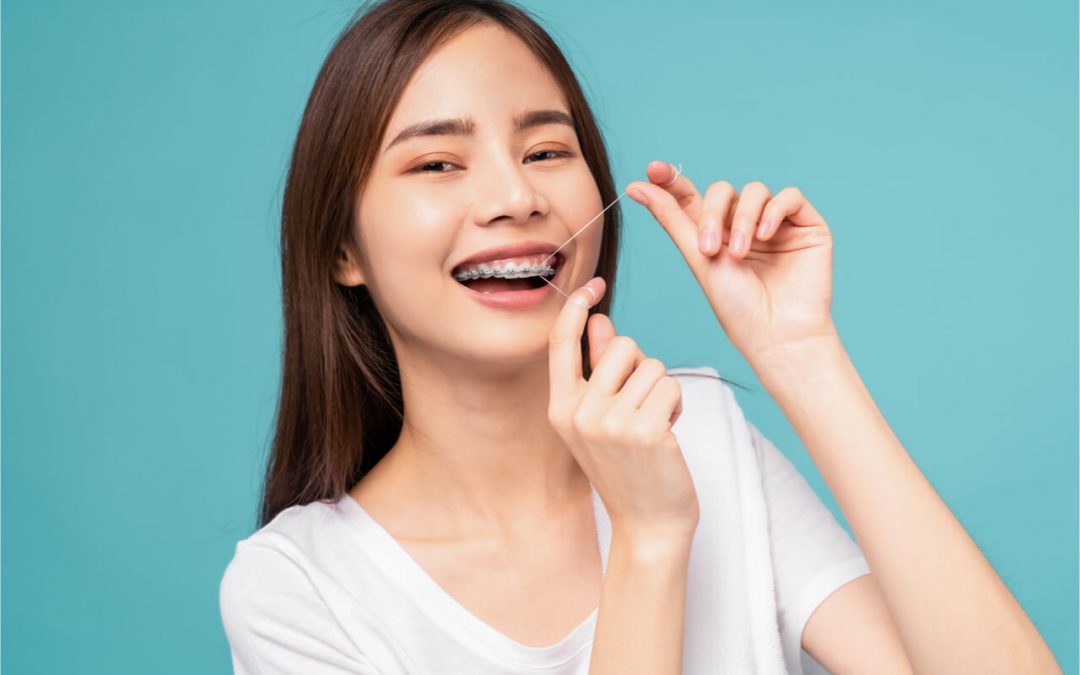
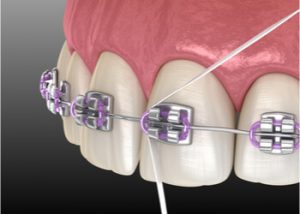
One popular method is the “loop” method. You will need a piece of dental floss about 18 inches long to do this. Make a loop in the middle of the floss and hold it with your thumbs and index fingers. Slide the floss under your wire and then up into the space between your gum and tooth. Use a gentle back-and-forth motion to clean the tooth surface and remove food particles. When you are finished, move on to the next tooth.
Another standard method is called the “wrap-around” method. This method is similar to the loop method, but you will wrap the floss around your index finger instead of making a loop. This can be helpful if you have difficulty holding the floss in place with the loop method.
Once you have chosen a flossing method, there are a few tips to keep in mind for flossing your entire mouth:
– Use about 18 inches of dental floss for each session.
– Be gentle when cleaning around your braces and wires.
– Floss every day, preferably after every meal or snack.
– If you have trouble reaching certain areas, try using an interdental brush or water flosser.
Types of Dental Floss for Braces
There are many different types of dental floss available, and it is essential to choose the right type for your braces. You can use any traditional floss if you have metal braces, including waxed or unwaxed floss. If you have ceramic or clear plastic braces, it is best to use softer types of flosses, such as silk or nylon. You should avoid using flavoured floss, as the flavour can cause gum irritation.
Talk to your dentist if you have trouble finding the correct dental floss for your braces. They will be able to recommend a product that is right for you.
Tell me the best Flossing Tool for Braces?
While many different flossing tools are available, we recommend the Oral-B® Floss Action Brush. This brush has a small, round head designed to clean around braces and other dental appliances. The bristles are soft and gentle, so they will not damage your braces or irritate your gums.
To learn more about the Oral-B® Floss Action Brush, visit our website or talk to your orthodontist or dentist.
We hope this guide has helped teach you how to use dental floss for braces. Remember to be gentle and take your time when flossing; floss regularly and choose the right type of floss for your braces.
How to Floss With Braces Using a Floss Threader
If you have braces, you know that flossing can be more challenging than without them. The good news is that there are a few different ways to floss with braces, and one of the most popular methods is using floss threaders.
A floss threader is a small, flexible wire piece with a loop at one end. The other end of the wire is threaded through the loop to form a “needle.” You can use this needle to thread dental floss under your braces and into the spaces between your teeth.
To use a floss threader:
Start by tying a knot at the end of a piece of dental floss.
Insert the needle into the loop and pull it through until the floss is tight against the hand.
Insert the needle under your braces and into the space between your teeth.
Gently move the floss up and down to clean the tooth surface.
When you are finished, remove the floss from your mouth and repeat the process on your other teeth.
Flossing is an essential part of oral hygiene, and it is vital for people who have braces. When you have braces, it is easy for food and plaque to get trapped in the brackets and wires. If these substances are not removed, they can lead to tooth decay, gum disease, and bad breath.
Flossing with braces can be challenging, but it is crucial to do it correctly. The good news is that there are a few different ways to floss with braces, and your orthodontist or dentist can help you find the best method for you.
Remember to floss every day, preferably after every meal or snack, to keep your gums and teeth healthy. If you have trouble reaching certain areas, try using an interdental brush or water flosser.
How to Floss With Braces Using a Waterpik or Water Flosser
If you have braces, you know that flossing can be more challenging than without them. The good news is that there are a few different ways to clean braces with floss, and one of the most popular methods is using a water flosser.
Water flossers are devices that shoot a stream of water at your teeth to remove plaque and food debris. They are very effective at cleaning around braces and other dental appliances.
To use a water flosser:
Start filling the reservoir with water and selecting the correct tip for your needs.
Position the end of the device against your teeth and gum line and turn it on.
Gently move the tip back and forth to clean your teeth.
Can I use regular floss for braces?
You can use regular floss for braces, but it may be more challenging to maneuver the floss around your brackets and wires. If you have trouble using regular floss, try one of the other methods described above.
Flossing is an essential part of oral hygiene, and it is especially important for people who have braces. When you have braces, it is easy for food and plaque to get trapped in the brackets and wires. If these substances are not removed, they can lead to cavities, gum disease, and bad breath.
Remember to floss correctly, preferably after every meal or snack. If you have trouble reaching certain areas, try using an interdental brush or water flosser.
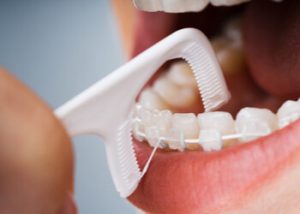
How do you use dental floss picks with braces?
Dental floss picks are small, plastic devices with a piece of dental floss attached. They are easy to use and can be an excellent option for people who have trouble maneuvering regular dental floss around their braces.
To use a dental floss pick:
Start by holding the pick in one hand and the handle in the other.
Gently insert the choice between your teeth and move it up and down to clean the tooth surface.
When you are finished, remove the pick from your mouth and repeat the process on your other teeth.
If you have trouble using a dental floss pick, talk to your dentist. They will be able to show you how to use it properly.
How to Floss With Braces Using Super floss?
Super floss is a type of floss specially designed for people who have braces. It has a stiff end that helps you thread the floss under your archwires and a fluffy middle section that cleans around your brackets.
To use Oral b Super floss:
Start by holding the floss in one hand and the handle in the other.
Gently insert the floss under your archwire and pull it to the other side.
Use the fluffy middle section to clean around your brackets.
When you are finished, remove the floss from your mouth and repeat the process on your other teeth.
How to Floss With Braces Using a Platypus Orthodontic Flosser
The Platypus Orthodontic Flosser is a device that consists of a minor, handheld handle and a piece of dental floss. It is designed to make flossing with braces more manageable and more effective.
To use the Platypus Orthodontic Flosser:
Start by holding the handle in one hand and the floss in the other.
Gently insert the floss between your teeth and move it up and down to clean the tooth surface.
When you are finished, remove the floss from your mouth and repeat the process on your other teeth.
Knowing how much they cost is essential if you’re considering braces for yourself or your child. Orthodontics can be a costly investment, but it’s an important one that can have a lifelong impact on your health and appearance. In this comprehensive guide, we’ll break down the costs of braces so you can make the best decision for your family.
How much do braces cost for adults?
On average, metal braces cost $ 3000 to $ 7000. The exact price depends on the severity of the person’s misalignment, how long they need to wear braces, and how many adjustments are required. Metal braces are the most common braces used today and are more affordable than other braces.
Clear or ceramic braces
For patients who want a less visible option, clear or ceramic braces may be the best choice. These braces use clear brackets and tooth-coloured wires to blend in with your natural teeth. Clear or ceramic braces typically cost between $ 4000 and $ 8000.
Lingual Braces
Lingual braces are placed on the back of the teeth, making them invisible from the front. They are more expensive than other braces and typically cost between $ 5000 and $ 10000.
Invisalign
The Invisalign is a popular transparent aligner system that uses custom-made, clear plastic aligners to straighten teeth gradually. Invisible aligners are one of the most expensive options, ranging from $ 7000 to $ 13000.
No matter what type of braces you choose, it’s essential to factor in the cost of routine adjustments and repairs. These costs can add up over time, so it’s necessary to be prepared for them when budgeting for your orthodontic treatment.
How can I pay for braces?
There are a few different ways to pay for braces. Many orthodontists offer financing plans that allow you to make monthly payments throughout your treatment. Some dental insurance plans cover orthodontic treatment, though this coverage is typically limited to children. You can also use a flexible spending account (FSA) or health savings account (HSA) to pay for braces with pre-tax dollars.
If you’re considering braces, it’s essential to factor in the cost of the initial investment and the ongoing expenses of routine adjustments and repairs. You can find a payment plan that works for you and get the treatment you need to achieve a healthy, beautiful smile by carefully researching and budgeting.
Orthodontics is for children — and adults
While most orthodontic patients are children, more and more adults seek treatment to correct misalignments that have developed over time. About one in five orthodontic patients is over the age of 18. If you’re an adult considering braces, don’t let the cost deter you – there are many payment options available to make treatment affordable.
If you’re considering braces for yourself or your child, contact our office to schedule a consultation. Our experienced team will help you choose the best type of braces for your needs and budget. We’ll work with you every step of the way to ensure you get the beautiful, healthy smile you deserve.
Bite Problems and How to Fix Them
Overbite
An overbite is when the upper teeth bite over the lower teeth. This can cause several problems, including pain in the jaw and difficulty chewing. An overbite can also make it difficult to clean the teeth, leading to tooth decay and gum disease. There are a few different ways to fix an overbite, including braces, headgear, and surgery.
Underbite
An underbite is when the lower teeth protrude in front of the upper teeth. This can cause pain in the jaw and difficulty chewing. It can also make it difficult for the tongue to move correctly, leading to speech problems. Underbites can be corrected with braces, headgear, or surgery.
Crossbite
A crossbite is when the upper teeth bite on the inside of the lower teeth. This can cause pain in the jaw and difficulty chewing. It can also make it difficult to clean the teeth, leading to tooth decay and gum disease. Crossbites can be corrected with braces, headgear, or surgery.
Openbite
An open bite is when there is a space between the upper and lower teeth when they bite together. This can cause pain in the jaw and difficulty chewing. It can also make it difficult for the tongue to move correctly, leading to speech problems. Open bites can be corrected with braces, headgear, or surgery.
Adult Braces Cost vs Kids Braces
The cost of braces for adults is typically higher than braces for kids. This is because adults have more complex dental problems that require more extensive treatment. In addition, adults often have to wear braces for a more extended period than kids. The average cost of braces for adults is $5000 to $6000. The average price of braces for kids is $3000 to $4000.
There are a few things you can do to reduce the cost of braces, including
-Asking your orthodontist about discounts
-Asking your dentist if they offer payment plans
-Using a flexible spending account (FSA) or health savings account (HSA)
-Applying for financial assistance from orthodontic charities
-Getting braces from a dental school
While braces can be expensive, it’s essential to factor in the long-term benefits of orthodontic treatment. By getting braces, you’re investing in your oral health and making sure you have a healthy, beautiful smile for years to come.
Using insurance or health savings accounts to pay for braces
If you have dental insurance, your plan may cover some of the cost of braces. Most programs have a lifetime orthodontic benefit separate from your regular dental coverage. This benefit typically covers $1000 to $3000 of the cost of braces. If you have a health savings account (HSA) or flexible spending account (FSA), you can use this money to pay for braces.
Orthodontic charities that help with the cost of braces
Several orthodontic charities provide financial assistance to people who need braces but cannot afford them. These charities include Smiles Change Lives, Ortho Care, and The Brace Place.
How to save money on Braces?
There are a few things you can do to reduce the cost of braces, including:
-Asking your orthodontist about discounts
-Asking your dentist if they offer payment plans
-Using a flexible spending account (FSA) or health savings account (HSA)
-Applying for financial assistance from orthodontic charities
-Getting braces from a dental school
Using Medicaid or CHIP to pay for children’s braces
If you have Medicaid or the Children’s Health Insurance Program (CHIP), your child may be eligible for free or low-cost braces. Each state has different rules about how much dental coverage is available through Medicaid and CHIP. To find out if your child is eligible, contact your state’s Medicaid office or CHIP office.
Dental schools that offer free or low-cost braces
Several dental schools offer orthodontic treatment at a reduced cost. To find a dental school near you, visit the American Association of Orthodontists website.
The cost range for braces can vary significantly for each type of brace.
. Metal braces are typically the most affordable, while clear ceramic braces are typically the most expensive. The type of braces your orthodontist recommends will depend on the severity of your dental problem and your personal preference.
While braces can be expensive, it’s essential to factor in the long-term benefits of orthodontic treatment. By getting braces, you’re investing in your oral health and making sure you have a healthy, beautiful smile for years to come. There are a few things you can do to reduce the cost of braces, so be sure to ask about discounts, payment plans, and financial assistance programs. And remember – dental insurance may cover some of the cost of braces!
Other money-saving tips for braces include
-Asking your orthodontist about discounts
-Asking your dentist if they offer payment plans
-Using a flexible spending account (FSA) or health savings account (HSA)
-Applying for financial assistance from orthodontic charities
-Getting braces from a dental school. Medicaid or CHIP may also cover the cost of children’s braces in some states. And finally, remember that dental schools sometimes offer orthodontic treatment at a reduced cost!
We hope this guide has helped you understand how much braces cost and how you can save money on this vital investment in your oral health.
Braces are common among children and adolescents, but how old do you have to be to get braces? The answer may surprise you! Many adults are choosing to get braces to improve their smiles. This blog post will discuss the age requirements for getting braces and how they can help improve your oral health.
What age should kids get braces?
There is no definitive answer to this question as each child is different. However, most orthodontists recommend that children get braces between eight and 14. This age range is when kids have a complete set of adult teeth, and their jawbones are still growing. By getting braces during this period, orthodontists can more easily correct dental problems.
-Improved oral health: Braces can help straighten teeth, making it easier to brush and floss properly. This can lead to improved overall oral health.
– Boosted self-esteem: A straighter, healthier smile can lead to a boost in self-esteem and confidence.
– Correct bite problems: Bite problems such as overbites and underbites can be corrected with braces. This can improve your ability to chew correctly and reduce the risk of injuries to the mouth. Braces can also correct crooked teeth, overcrowded teeth, and spaced-out teeth for better aesthetics.
If you or your child are considering braces, consult with an orthodontist to see if they are right for you. They will be able to assess your specific situation and recommend the best course of treatment. Don’t wait any longer; start on the path to a straighter smile today!
How young is too young: A guide to what age is ideal to start Braces
The American Association of Orthodontists (AAO) recommends that children should see an orthodontist by age seven. By this age, most children have a mix of baby teeth and permanent teeth, making it easier for the orthodontist to spot irregularities. Orthodontic treatment at a young age can be less invasive and more effective than waiting until the child is older. However, every child is different, and some may not need braces until they are older.
What are the benefits of getting braces at a young age?
There are many benefits to getting braces at a young age, including:
– Reduced risk of injury: Straighter teeth are less likely to be chipped or broken in an accident.
– Improved self-esteem: A straighter smile can lead to a boost in confidence and self-esteem.
– Less invasiveness: Early treatment can be less invasive than waiting until the child is older. This means that the child will have to wear braces for a shorter time.
If you think your child may benefit from braces, consult with an orthodontist. They will be able to assess your child’s specific situation and recommend the best course of treatment. Don’t wait any longer; start on the path to a straighter smile today!
What are the benefits of getting braces as an adult?
Although most people get braces during their teenage years, more and more adults choose to get braces later in life. There are many benefits of getting braces as an adult, including:
-Improved oral health: Braces can help straighten teeth, making it easier to brush and floss properly. This can lead to improved overall oral health.
– Boosted self-esteem: A straighter, healthier smile can lead to a boost in self-esteem and confidence.
– Correct bite problems: Bite problems such as overbites and underbites can be corrected with braces. This can improve your ability to chew correctly and reduce the risk of injuries to the mouth.
The first visit to an Orthodontist
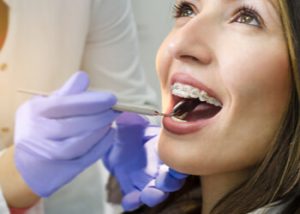
You’ve finally decided to get braces. Congrats! The first step is to visit an orthodontist. They will be able to assess your specific situation and recommend the best course of treatment.
During your first visit, the orthodontist will:
– Take X-rays of your mouth and teeth
– Perform a physical examination of your mouth, teeth, and jaw
– Ask you about your medical history
After the examination, the orthodontist will develop a treatment plan tailored specifically for you. They will also go over the different types of braces available and help you choose the best option for you.
Types of Braces
There are many different types of braces available, including:
– Metal braces: Metal braces are the most common type of braces. They are made of high-grade stainless steel and are very strong and durable.
– Ceramic braces: Ceramic braces are made of clear or tooth-coloured ceramic brackets and wires. They are less visible than metal braces and can be a good option for adults who are concerned about the appearance of their smiles
– Invisalign: Invisalign is a type of clear aligner that is virtually invisible. It is a popular choice for adults who want to straighten their teeth without anyone knowing that they are wearing braces.
Types of Braces for Children
There are a few different types of braces that are specifically designed for children, including:
– Spacers: Spacers are small devices placed between the teeth to create space. Before getting braces, they are often used to help make room for the brackets and wires.
– Palatal expanders: Palatal expanders are devices used to widen the palate (roof of the mouth). They are often used in young children who have narrow palates.
– Retainer: A retainer is a type of dental appliance worn after getting braces to help keep the teeth in their new, straight position.
Now that you know more about how old you have to be to get braces, consult with an orthodontist to see if they are right for you. They will be able to assess your specific situation and recommend the best course of treatment.
How often should I see the dentist?
You should see the dentist every six months for a routine cleaning and examination. However, if you have braces, you may need to go more frequently. This is because braces can trap food and plaque around the teeth, leading to cavities and other problems.
If you have braces, be sure to brush carefully and floss regularly. You may also want to use an interdental brush or water pick to help clean between your teeth.
If you have any questions about caring for your teeth while you have braces, be sure to ask your orthodontist or dentist. They will be able to give you specific instructions on how to keep your smile healthy and sparkling!
Now that you know more about how old you have to be to get braces, consult with an orthodontist to see if they are right for you.
Should my child see an Orthodontist?
It is recommended that children see an orthodontist around the age of seven. Some problems, such as crowding, can be easier to correct if they are caught early. However, every child’s mouth is different, and some may not need to see an orthodontist until they are older.
If you are concerned about your child’s teeth or bite, talk to their dentist. They will be able to assess the situation and recommend whether or not you should take them to see an orthodontist.
What kind of braces does my child need?
The type of braces your child needs will depend on their situation. Your orthodontist will be able to recommend the best kind of braces for your child based on the severity of their problem and their age.
– Metal braces: Metal braces are the most common type of braces. They are made of high-grade stainless steel and are very strong and durable.
– Ceramic braces: Ceramic braces are made of clear or tooth-coloured ceramic brackets and wires. They are less visible than metal braces and can be a good option for children who are concerned about the appearance of their smiles.
– Invisalign: Invisalign is a type of clear aligner that is virtually invisible. It is a popular choice for children who want to straighten their teeth without anyone knowing that they are wearing braces.
Your orthodontist will be able to help you decide which type of braces is right for your child. They will take into account the severity of the problem, the child’s age, and your personal preferences.
No matter what type of braces your child needs, you can rest assured that they will be in good hands with an experienced orthodontist. They will be able to correct your child’s smile and help them achieve their ideal bite!
Early Orthodontic Treatment
Early orthodontic treatment is recommended for children around the age of seven. Some problems, such as crowding, can be easier to correct if they are caught early. Early treatment can also help prevent more severe issues for mainly adult teeth.
If you are concerned about your child’s one or more teeth or bite, talk to their dentist. They will be able to assess the situation and recommend whether or not you should take them to see an orthodontist.
Signs that your child may need braces include
– Crowded teeth
– Teeth that stick out
– difficulty chewing or biting
– Jaw pain or clicking
If you notice any of these signs, schedule a consultation with an orthodontist. They will be able to assess your child’s smile and recommend the best course of treatment.
Please don’t wait to get your child the orthodontic care they need! Schedule a consultation today!
If you are one of the many people who have a palate expander, then you know that keeping it clean is essential for preventing bacteria buildup and infection. In this blog post, we will provide a comprehensive guide on cleaning your palate expander. We will cover everything from what materials you will need to how to clean it. Keep reading for more information!
What is a Palate Expander?
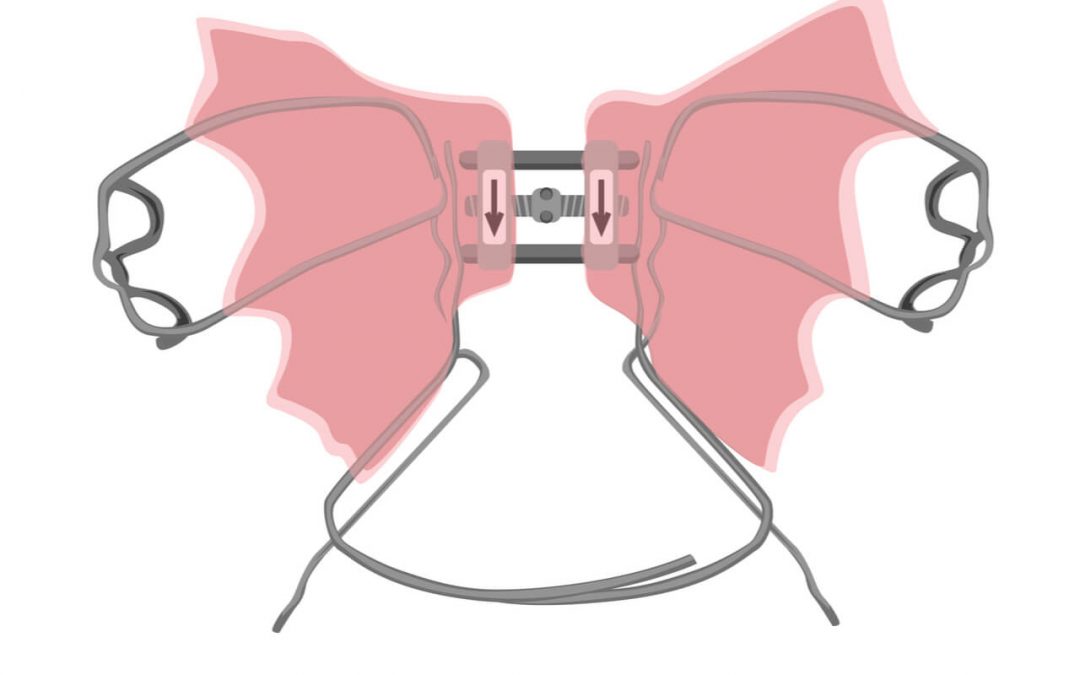
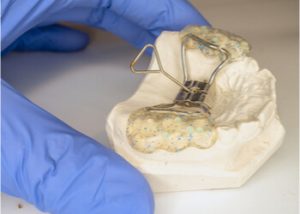
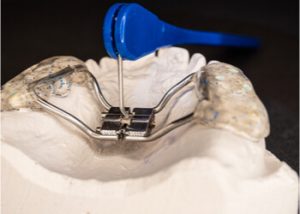
A palate expander, also known as a palatal expander, is a device that is used to widen the upper jaw for the better eruption of permanent teeth. It is typically made from metal or plastic and is inserted into the roof of the mouth. The Expander then slowly separates the teeth and expands the palate.
How to clean your Palate Expander
There are a few different ways to clean your palatal expanders for better oral health. Below we will outline two methods – using a toothbrush and water flossing.
Brushing:
The first way to clean your palate expander is by using a toothbrush. Wet your toothbrush (Electric toothbrush or manual) and add mild soap or dish washing detergent. Gently brush the palate expander with the toothbrush, getting all of the nooks and crannies. Rinse the palate expander thoroughly with water and allow it to air dry.
Water flossing method
The second way to clean your palate expander is by using water flossing. Fill a small container with warm water and add a few drops of mild soap or dish washing detergent. Place the palate expander in the container and let it soak for a few minutes. Gently brush the palate expander with your fingers or use a soft toothbrush for cleaning out trapped food particles. Rinse the palate expander thoroughly with water and allow it to air dry.
Both of these methods are effective in cleaning your palate expander
Daily Care
In addition to cleaning your palate expander, it is essential to practice good oral hygiene habits to prevent bacteria from building up and causing cavities. Here are a few tips for preventing cavities:
– Brush your teeth at least twice a day with a fluoride toothpaste
– Floss your teeth at least once a day
– Avoid sugary drinks and snacks
– See your dentist every six months for a checkup and cleaning.
If you follow these tips, you can help keep your teeth healthy and cavity-free!
How often do you have to turn the Expander?
The palate expander should be turned every day. How often you twist will depend on the type of Expander you have. If you have a metal expander, you will need to rotate it every day for two minutes. If you have a plastic expander, you will need to twist it every day for one minute.
If you forget to turn your palate expander, don’t worry! You can still turn it in tomorrow. Just make sure to catch up on the missed days as soon as possible.
If you have any questions or concerns about cleaning your palate expander, please consult your dentist. They will be able to provide more specific instructions and answer any questions you may have. Thanks for reading!
Types of Palate Expanders
– Metal palate expander
– Plastic palate expander
– Composite palate expander
– Bionate palate expander
– Elastics palate expander
– Archwire palate expander
– Spring coil Palate Expander.
– Rapid Palatal Expander
How do I clean other Orthodontic Appliances?
Each orthodontic appliance will have different instructions on how to clean it. Be sure to consult your dentist or orthodontist for specific instructions on cleaning your particular device. Generally, you can clean appliances by brushing them with a toothbrush and mild dish soap or dish washing detergent. You can also soak them in warm water and soap/detergent. Rinse the appliances thoroughly with water and allow them to air dry. Again, consult your dentist or orthodontist for specific instructions on cleaning your particular device
How do you clean a removable Palatal Expander?
There are two ways to clean a removable palatal expander – using a toothbrush and water flossing.
Most people who have a palate expander say that it does not hurt. However, if you experience any pain or discomfort, consult your dentist
Are all Palatal Expanders removable appliances?
Yes, palate expanders are removable appliances. This means that you can take them out of your mouth when you eat or brush your teeth.
Procedure for getting a Palatal Expander
During your initial consultation, for your orthodontic treatment, the dentist will take x-rays and impressions of your teeth. This will help determine the type of palate expander best for you. Once the dentist has determined the kind of Expander, they will give you a prescription for the appliance. You will then need to go to an orthodontist to have the palate expander fitted and activated. The orthodontist will also show you how to turn and clean the appliance. Be sure to follow all instructions from your dentist and orthodontist closely to ensure optimal results.
Can I speak appropriately with a Palatal Expander?
Yes, you can speak appropriately with a palate expander. Many people find that their speech improves after getting the appliance.
How long do I have to wear a Palate Expander?
The length of time you will have to wear a palate expander varies depending on the type of Expander and your individual needs. However, most people will have to wear the appliance for six to eight months
What are some common problems associated with Palate Expanders?