There are many ways for cleaning your Invisalign aligners, one of which is using the Invisalign® Cleaning System. It is one of the most chosen cleaning regimens that offer a deep-cleaning technology for an invisibly fresh set of aligner and retainer.
Taking Care of Your Invisalign
Invisalign is today’s orthodontic treatment of choice for straightening and realigning your teeth. Besides providing comfortable and convenient dental support, Invisalign offers an alternative to traditional braces for a nearly invisible and unnoticeable treatment. To provide you with an optimal experience, you must keep your Invisalign as hygienic, odor-free, and clear as possible.
While we can achieve multiple benefits in using Invisalign, not taking care of them will result in its opposite effects. Several concerns such as discolorations, bacteria build-up, and unpleasant odor which might affect your overall dental health can happen. To avoid dealing with these issues, check out the do’s and don’ts as well as the following best practices in caring for your clear aligners.
What Is An Invisalign Cleaning System?
An Invisalign® cleaning system consists of a set of specially-developed crystals that help you maintain your clear aligners’ quality. Its formulation offers a thorough and deep cleansing that works in between crevices to kill any bacteria present instantly. It also prevents the development of plaque and other unnecessary growth.
How Do I Use An Invisalign Cleaning System?
Sanitizing your clear aligners involves the use of the following materials:
Invisalign Cleaning System (Crystals)
Small Cleansing Cup
Clean Toothbrush with Soft Bristles
Cleaning your Invisalign involves two processes, rinsing and cleansing. To start the procedure, you must first rinse any leftover food or debris on your clear aligners using a toothbrush and warm water. It is best to submerge the clear aligners in water using a small cleansing cup to eliminate all possible traces and residues.
Making sure that all debris is gone from the surface, it is time to make use of the Invisalign cleaning crystals. These crystals dissolve in liquid to create a cleansing solution. In a separate cup of water, carefully place these crystals so that it completely disintegrates. Be mindful in stirring the solution well enough before putting the clear aligners. Soak the clear aligners in place for about fifteen minutes.
Once done, take out your clear aligners and rinse with warm water. Using a slightly saturated and soft-bristled toothbrush, gently scrub along the edges and crevices. Ensure that all stuck debris are eliminated, and give the clear aligners a final rinse before placing it in its case to dry.
How Often Should I Clean My Invisalign?
You should use your Invisalign cleaning system as often as possible. Experts also recommend cleaning your aligners regularly every time you take them off. Nonetheless, cleansing them twice a day is enough to keep away the bacteria and prevent the germ build-up.
Do clean your teeth and your Invisalign trays every morning and night
During your sleep, bacteria and germs may begin to build-up on your teeth and the Invisalign trays. Keeping this routine is essential to establish proper oral hygiene which you should also do every night before bed.
Do rinse your aligners every time you take them off
Taking off your Invisalign can cause plaque and dried saliva to accumulate, which is why it is crucial to rinse every time you take them off. Doing this can get rid of the unnecessary particle build-up and make the aligners cleaner.
Do soak using the Invisalign cleaning system
Brushing and rinsing your clear aligners are helpful, but most experts recommend soaking with Invisalign cleaning system and crystals. It can help cleanse away germs and bacteria that other cleaning solutions cannot remove with simple brushing and rinsing.
Do floss your teeth before wearing the trays back in.
Ensuring that your teeth are clean before wearing your clear aligners will prevent particles from being trapped between your teeth and discourage the formation of plaque.
But…
Don’t leave your clear aligners out in the open
Exposing the trays to open-air will harbor bacteria and germs. It is essential to keep an aligner case for storage to avoid damages. For instances when you forget to bring a case, be sure to cleanse and rinse the trays before putting it back in your mouth.
Don’t forget to make a plan whenever you have long trips
Invisalign system requires you to switch between new aligners depending on your orthodontic treatment regimen. Mostly, however, requires weeks for a replacement procedure to rake place. If you have plans to travel, be sure to coordinate with your dentist to plan to switch your clear aligners throughout your trip.
Don’t eat or drink with Invisalign
Eating food and drinking colored beverages are a huge no when it comes to Invisalign. Don’t forget to take out your aligners to prevent damaging your trays.
Don’t use colored soap or toothpaste when cleaning your trays
Using colored cleaning materials for your trays will cause discoloration or damages. Consider Invisalign cleaning system when cleaning your aligners. These are specialized crystals that can clean and remove residues without affecting your trays’ appearance and taste.
References:
Frisbee, Evan. (November 2020). Invisible Aligners for Teeth.
Palate expander for adults can be challenging for some since permanent teeth are fully developed. However, this cannot stop them from receiving dental treatment to widen the upper part of their mouth and improve the appearance of their smile. Moreover, most dentists suggest encouraging your child to visit a dentist to check if palate expander will be the best device for your baby.
Palate Expander
Palatal or palate expander is an orthodontic device that makes more space in both youngster’s and adult’s mouth by broadening the top of the mouth after some time. Though an expander is most common in the ages of 8 to 18 years, the dentist can likewise use it in adults. However, the palate expander for adults is slightly awkward and takes longer. The objective of palatal expansion is to broaden restricted palates and accurately adjust the upper teeth and jaw. This orthodontic treatment can only be accomplished before the jaw ultimately develops.
Types of Palatal Expansion
The dental provider makes palate expander uniquely for every patient, depending on their dental curve and palate size. This orthodontic treatment comes in fixed and removable methods. The following are the common types of expanders for children and adult.
Rapid Palatal Expansion (RPE)
The rapid palatal expansion (RPE) can address tight palates, swarming, and crossbites. The device fits over a couple of back teeth in the upper jaw with a screw in the center. The proper use of an RPE is that you need to turn the screw a modest quantity every day with a unique key. This activation will make the tension between the two palatal bones.
This palatal expansion aims to broaden the upper jaw, extend the dental curve, and move the teeth inside the bone. Over the long run, the two palatal bones shift separated, and the jaw broadens. Much of the time, this orthodontic treatment takes 3 to 6 months.
Removable Palatal Expander
An orthodontist regularly shows a removable expander when a patient needs minor jaw augmenting. These devices are comparable in appearance to acrylic retainers, aside from they are chrome.
Implant-Supported Expansion
Palate expander for adults frequently needs implant-supported expansions. When you have a thoroughly developed jaw, heavier forces are necessary to effectively enlarge the jaw and palate. This orthodontic treatment comprises of four mini-implants that employ force straightforwardly to the maxillary bone, rather than the teeth.
Surgically Assisted Palatal Expansion
Surgically assisted types are another form of palate expander for adults. When an individual arrives at full development, they normally have a completely evolved jaw. Even though some jaws do not completely develop until age 21 to 25 if so an orthodontist should surgically insert an expander into the palate bone.
When is Palate Expander Necessary?
The three most common conditions that ordinarily show the need for palate expander for adults and children include:
Impacted Teeth
Impacted teeth are most common to happen in adults. It occurs when a tooth develops beneath the gums and blocked by other teeth. Dentists prescribe extractions to diminish the opportunity of infection and jaw misalignment. Palate expander for adults and children can help broaden the jaw and consider the appropriate eruption of permanent teeth.
Over-held teeth imply to baby teeth that have slackened yet then fix once more into the gums, forestalling the eruption of permanent teeth.
In case you do not remove the primary teeth, dental crowding develops, which is a condition that happens when there is not sufficient space for teeth to fill in.
Palate expanders eradicate the necessity for extractions and make space for lasting teeth to fill in.
Before your youngster’s adult teeth fill in, an orthodontist can verify how much room is accessible in their mouth. If the jaw appears to be excessively limited, palate expander might be necessary to forestall dental crowding as the perpetual teeth fill in.
Other Dental Conditions
Palate expander can improve breathing capacity, which prevents mouth-breathing and dry mouth called xerostomia.
It also treats Class III orthodontic issues. Class III issues are essentially hereditary and may include:
In case you have underbite teeth which happen when the bottom teeth and jaw positioned before your upper teeth and jaw.
Suppose the bottom jaw seems to be strangely enormous even though the absence of upper jaw improvement is generally the real reason for this abnormality.
Palatal expansions likewise treat maxillary transverse deficiency. Individuals with this condition generally have a narrow palate and back crossbite. Other manifestations of maxillary transverse deficiency include:
Narrow Nasal Base — rather than having wide nostrils, an individual with a maxillary transverse deficiency may have surprisingly restricted or thin nostrils.
Paranasal Hollowing — when the bottom jaw extremely protrudes forward because of underdeveloped bones in the upper jaw.
Narrow Tapering Maxillary Arch — a very tight palate with a V-shaped.
Deepened Nasolabial Folds — hollows that stretch out from the nose to the external corners of the mouth.
Hypoplastic Zygoma — an individual with hypoplastic zygoma has undersized and flattened cheekbones.
Pointers for Palatal Expansion
Expansion methods differ contingent upon the patient’s age. For instance, treatment is diverse for youths in the baby teeth phase, mix of baby teeth and permanent teeth stage, and early permanent teeth.
Young Children
Treatment is best when the patient’s jaw is as yet developing. As a child’s teeth drop out, permanent teeth start to emerge around a similar time. Mixed dentition phase happens when the mouth comprises of some baby teeth and lasting teeth. In case a kid has a crossbite or swarming teeth during this stage, palate expander might be vital.
Children & Pre-Teens
As a kid arrives at the late mixed dentition stage, there are more lasting teeth in the dental curve than baby teeth, and palate expander is more challenging. During this stage, the jaw is not developing as fast. It is commonly important to wait until the main premolars emerge to start the expansion method.
Teenagers and Adults
As adolescents’ development spurt ends, palatal expansion may not be conceivable since this stage has a fully developed jaw. Implant-supported or surgically assisted palate expander is normally the solitary treatment choice at this stage because it needs heavier power to extend the jaw. Expansion is bound to be successful in children and young adults instead of those who have arrived at mid or late puberty.
When we say orthodontic treatment, what usually comes to mind are hard wires, brackets, and braces. However, today’s advanced technology brings more innovative techniques that help in fixing teeth alignment and other orthodontic problems. Instead of the complicated procedures, much simpler devices called removable orthodontic appliances are made. With its simple features, patients can be more comfortable and avoid permanent orthodontic braces but still get comparable results. For expert dental advice regarding removable orthodontic appliances, click this link. If you want to learn more about removable orthodontic appliances, continue reading.
Removable Appliances Explained
Removable appliances are today’s solution to several teeth alignment problems. These are specialized appliances made within an orthodontics laboratory, so it is not meant to be readily available for most dental clinics. These devices are crafted following the patient’s teeth to get the perfect fit and best results.
For some, these removable appliances help solve problems such as opening vertical dimension, aligning teeth, broadening arches, ease snoring, and many more.
Types of Removable Appliances
Nowadays, there is a wide range of removable appliances available depending on your preference and orthodontic needs. Here are some of the most common devices, along with each of their functions.
Retainers
There are two types of retainers available. The first one is removable while the other is fixed. Regardless of their type, retainers are utilized to maintain teeth alignment after orthodontic treatment or brace removal.
An orthodontist will tell you how long you should wear your retainers and provide you with the necessary upkeeping techniques to take good care of them. Regular cleaning of your retainers is important to reduce the build-up of bacteria. It is also responsible for eliminating the risk of regression, which is why it is advisable to wear them as much as directed by your dentist. However, you may remove your retainers when eating and brushing your teeth.
Space Maintainers
For children who are experiencing premature loss of teeth, space maintainers are very useful. Since a child’s teeth are not yet permanent, tooth loss may happen, and gaps may be present. This opens the possibility for the remaining baby teeth to shift their position and block the designated path for permanent teeth. The space maintainers prevent malocclusion from happening, thus encouraging permanent teeth’ growth to its rightful place.
Palatal Expanders
As its name implies, palatal expanders are used to adjust the width of your upper jaw. Gentle pressure is applied on the upper molars until enough wideness is met. These are regularly adjusted, and each adjustment provides several pressures to serve its purpose. Palatal expanders often require months to achieve desirable results.
Mouthguards
You can often see mouthguards being worn by athletes at sports events. These useful mouthpieces help protect their teeth and avoid unnecessary chipping and injuries from intense impacts and sudden biting.
Night Guard
If you often find yourself grinding your teeth while sleeping, this can cause serious problems to your teeth. Forceful grinding may cause trauma to your jaws and might wear off your teeth. Nightguards are specialized devices that serve as a mouthguard. It will protect you from unnecessary injuries and tooth problems.
Snoring Device
This removable appliance is closely connected to a night guard but with a particular design to prevent snoring. The device is used to open the airways, which helps reposition the jaws and tongue. This process minimizes the occurrence of vibrations within the soft tissue when snoring.
Tongue Thrust Guard
We know that tongue thrust is a habit for many of us. This endangers your teeth from shifting, following your tongue’s pressure. The tongue thrust dental guard is worn at all times to help block your tongue from putting pressure on your teeth.
Partial Dentures
If you lose some permanent teeth, partial dentures can be worn as an aesthetic replacement. This is one of the most readily available removable orthodontic appliances that you may find in any dental clinic.
Flexible Partial Dentures
If you want a more comfortable version of a partial denture, the flexible one is perfect for you. This type of partial dentures has a soft base and allows smooth adjustments to your teeth.
Full Dentures
The team of Prime Dental Specialists say that losing all of your teeth can be challenging and might affect your self-esteem. Full dentures are the best solution to restore your smile. Aside from that, full dentures are also known to slow down bone loss. Latest technologies also have magnets that prevent these dentures from falling off.
Orthodontic Treatment
Now that you’re well aware of the various removable appliances, you now have various solutions and options to choose from depending on your preferences. If you want to know the treatment options for your orthodontic needs, visit this page too.
When an accident happens involving your teeth, you must instantly visit your dentist to assure your oral health condition. It is a good thing to get an emergency root canal to prevent worsening your condition. This article will guide you to know more about this kind of dental emergency. Moreover, you can click on this site to read advice from a dentist in Glenmore Park.
What is a root canal?
Root canal treatment is a dental procedure that is usually portrayed as a painful method. Nonetheless, this is not the situation. At the point when you have an infected tooth, the dentist requires to eliminate the damaged tissue to prevent the disease from spreading. This technique additionally removes the pain related to this infection.
The expression “root canal” originates from cleaning of the trenches within a tooth’s root. Long ago, root canal therapies regularly were excruciating. With local anesthetics and dental advances, most individuals have nearly nothing if any agony with a root canal. It is likely more excruciating living with an infected tooth. Root canal alternatives incorporate extricating the damaged tooth and supplanting it with a dental implant, bridge or denture.
What Is A Dental Emergency?
A dental emergency is any dental health condition that is causing you extreme pain, oral bleeding, or distress, and that you do not have a clue how to cure on your own. This implies the class of “dental emergency” is more extensive than you might suspect. Dental injuries like damaged and knocked-out teeth consider as emergencies. And so, do pulled-out crowns and fillings, bleeding gums, serious toothaches, and a wide variety of different oral health conditions.
Is A Root Canal A Dental Emergency?
An emergency root canal can be a lifesaver when you end up managing terrible tooth pain. This pain is regularly the consequence of a seriously damaged tooth with an undermined pulp chamber. It can likewise be from an infection that has advanced toward the pulp and nerve.
Tooth pain is not something you can overlook. A minor aching that does not disappear can become a nightmare scenario. You can get an emergency root canal to avoid long-term damage.
Common signs that you need an emergency root canal
Intolerable pain
As mentioned before, intolerable pain will incite anybody to look for emergency dental services. The problem brought about by a compromised pulp chamber is nothing similar to an ordinary toothache. It makes it not possible for you to get any rest or concentration on tasks.
When this happens, holding up until the following business day is frequently impossible. You will need quick alleviation from your difficulty. An emergency dentist will assess your teeth and may suggest you get an emergency root canal.
Pus coming from a tooth
If you have an infected tooth, pus may emerge from the area around the tooth. This symptom is a clear sign of an infection and that you need emergency care. While an infected tooth can be effectively treated in its early phases, waiting too long even to consider treating it can have frightful outcomes. The infection can prompt a tooth’s loss as well as disseminate to different aspects of the body like the heart and brain. In case, the dentist figures you cannot wait any longer, they will do an emergency root canal to spare the tooth.
A severely damaged tooth
When a tooth has been seriously harmed by injury, it may need a root canal to prevent you from losing it. Since this damage regularly arrives at the pulp, you will typically encounter pain and distress when anything contacts the tooth.
A root canal can be utilized to eliminate the pulp and nerves. This technique removes the pain, and the dentist will, at that point place a crown to reestablish the appearance of the tooth.
Tooth discoloration
Another sign that you have a damaged nerve on your tooth is when you have a discolored tooth. If the tooth discoloration is related to sensitivity or pain to cold and hot things, You can expect to have a root canal treatment to spare your tooth. Much like a chipped or broken tooth, your dentist can reestablish a yellow tooth with a crown.
Furthermore, gum discoloration closes the infected tooth is quite popular. In uncommon instances, you may even see swelling of the face or cheek nearby your infected tooth, or have a fever. If you observe these problems, contact an emergency dentist to get help with root canal therapy.
What Can You Expect From Emergency Root Canal?
First, your dentist will assess your tooth and may take x-rays to identify if you have an infected tooth and to determine the extent of the infection. At that point, they will start performing your root canal treatment plan.
Next, your dentist will clean and numb your mouth. If necessary, you will receive local anesthesia. After that, they will utilize a dental drill to eliminate rotted enamel from the tooth and to make a little opening in the tooth’s surface.
Through this opening, your dentist will separate rotted and infected material from the inside of the tooth. Then, they will rinse and sterilize the tooth, and fill it with an elastic-like substance termed “gutta-percha,” which changes the pulp and strengthens the tooth.
Lastly, your tooth will be covered with a filling or temporary crown, depending on the area of the tooth. In case you get a crown, you should return for a subsequent appointment to have a permanent dental crown placed and fitted.
Dental problems can be tough to beat if you already see advanced symptoms. However, that problem doesn’t mean you can’t treat any symptoms and relieve your teeth and gums forever. You may learn more at SNK Dental clinic in St Marys what to do when advanced gum disease happens. Special dentistry providers use root planing and tooth scaling as a standard oral care treatment. But, you may have to rely on further advanced surgeries like laser technology or medication. What should patients do when gingivitis becomes moderate to progressive gum disease? Here are our tips and detailed information that may help stop the side – effects.
What Causes Gum Disease?
Bacteria stays stagnant on the mouth and can affect your bite. Repeatedly eating sugar and carbohydrates without brushing and flossing can cause gum disease. Dentists say that bacteria feed off from sugar and food debris stuck in the mouth. Moreover, gum disease may also be caused by accidents or injuries. A sports mouthguard may stop damages on your teeth or gums from trauma. Other causes like congenital deformities or rare disease must have further advice from a professional and certified doctor.
As you read along with this article, you may see the intensity and need to have high-quality dentistry care soon.
Stages Of Gum Disease
Teeth and gum problems don’t start destroying the mouth months or years after neglected dental care. Yet, periodontal disease symptoms can deteriorate the mouth’s condition once other risk factors speed up the process. Gingivitis may even occur during cavities since tartar and plaque build – up from the food we eat.
Don’t skip going to a general dentist to manage your advanced gum disease. These gum disease stages may also show you can prevent gingivitis as early as possible.
Gingivitis
Gum inflammation or gingivitis is a sign that bacteria have spread from your tooth down under your gums. Most symptoms of gingivitis start as redness, tenderness, and darker colored gums. You may distinguish healthy gums once the pink and almost soft colored tissue starts to decay. In any
Mild Periodontal Disease
Aggressive periodontal disease can affect the whole mouth; you may notice that your tooth chips away faster. More instances of a broken tooth or bleeding occur even without flossing teeth day or night. Once gingivitis reaches stage two or slight periodontal disease, the side – effects aren’t reversible. But, you can manage the cavities and deposits with a tooth scaling and root planing procedure.
Advanced Gum Disease (Periodontitis)
Oral health care awareness is through millions of advertisements on the screen, social media, and billboards. What makes periodontitis dangerous? Advanced gum disease may lead to tooth decay. Eventually, if the person doesn’t have early treatment for gum recession, it can cause tooth loss. Moreover, bad breath (halitosis) indicates that bacteria may have infected your respiratory and gut or digestive system.
If you want to secure your dental health, don’t hesitate to call a periodontal specialist to remove the bacteria before it’s too late.
Advanced Periodontitis
At least 47.2% of adults over 30 in the United States suffer from chronic periodontitis. This final stage of advanced gum disease may also lead to other adverse health problems. Namely, heart disease starts from microbial invasion from the mouth down to the bloodstream. Also, there are studies of advanced gum disease with connections to brain disorders and respiratory diseases. Apart from the side effects mentioned previously, you have a higher percent chance of bone loss. Dental implants may not be advised for a patient with advanced gum disease so in that case a customized denture might be the only soloution. So, treating periodontal diseases from the starting stage has a significant impact on your oral care’s future.
Treatments For Advanced Gum Disease
If you want to stop advanced gum disease, visit your periodontal specialist. A periodontist is a certified and trained dental care provider that offers treatments and heal your gums completely.
Tooth Scaling and Root Planing
Root planing and scaling involve deep cleaning your teeth and gum tissues from tartar or plaque build-up. The next step involves smoothening rough spots on your tooth’s roots to prevent bacteria from entering it again. Tooth scaling and root planing usually involve anesthesia to avoid toothaches and sensitivity. You may also rely on endodontic treatments to prevent
Doxycycline Gel
What is doxycycline? It is an antibiotic that shrinks periodontal pockets along the gum line. Dental abscess may also happen during advanced gum disease. So a gel that contains doxycycline may gradually prevent bacteria from swelling or bleeding gums again.
Flap Surgery
Flap surgery may be advisable for patients whose previous tooth scaling and root planing didn’t work out. After a deep cleaning, gum inflammation and pockets with infected teeth may persist. Hence, flap surgery from a periodontist can remove tartar by incisions and cuts on the affected gum tissue. After deep removal, stitches are needed so gums can attach to the bones again. Several dental technologies can reduce this invasive procedure. You may ask more about gum flap surgery from your local dental clinic.
Minocycline Microspheres
Adult periodontitis affects the roots and gum tissues. A periodontal dental program may use minocycline microsphere products to prevent further reinfection. Minocycline microspheres are antibiotics placed in tissue pockets when a periodontist removes bacteria after scaling and root planing.
Gum Grafts
Gingivitis can destroy soft tissues and bones that may further complicate your oral care routines. In this matter, gum grafts involve guided tissue regeneration to support dentin, enamel, and soft – tissue growth. The process may need a piece of dental mesh to allow the bones and gums to regrow. Often, dentists may also provide
Doxycycline Pill
Aside from using doxycycline as a gel, there are also forms of pills to treat periodontitis. After tooth scaling and root planing, a low dosage prevents overactive enzymes that break down gum tissue after treatment.
Laser (LANAP) Surgery
Modern dentistry technology uses a laser to treat several moderate to advanced gum disease. LANAP or Laser-assisted new attachment procedure works as a surgical treatment for periodontitis. Rather than resection, it helps the gum tissue regenerate faster. Currently, the Food And Drugs Administration or FDA of the US has clearance on LANAP protocol. Since it is scientific-based, patients feel safer with the outcome of laser technology.
Advanced gum disease laser treatment focuses on these points:
Less painful
No gum and tooth sensitivity
Prevents gum recession or gum loss
Less downtime for recovery and healing than traditional osseous surgery
Since LANAP periodontal surgery is done for two sessions, this full – mouth procedure may allow patients to resume work or other activities.
How Do You Prevent Gum Disease From Advancing Into Periodontitis?
Together with the treatments mentioned previously, gum disease is still preventable. From childhood to seniors, regular dental hygiene can fight off early gingivitis.
Although studies may say that age can’t slow down gum recession, preparing ahead won’t hurt. You may find more tips to protect you and your family members by visiting a dentist with a specialty focusing on gum health.
Brush lightly (not aggressively) with a 45-degree angle


 An Invisalign® cleaning system consists of a set of specially-developed crystals that help you maintain your clear aligners’ quality. Its formulation offers a thorough and deep cleansing that works in between crevices to kill any bacteria present instantly. It also prevents the development of plaque and other unnecessary growth.
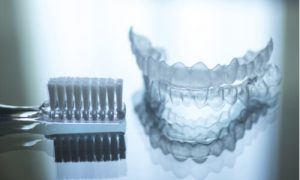 Brushing and rinsing your clear aligners are helpful, but most experts recommend soaking with Invisalign cleaning system and crystals. It can help cleanse away germs and bacteria that other cleaning solutions cannot remove with simple brushing and rinsing.
 Surgically assisted types are another form of palate expander for adults. When an individual arrives at full development, they normally have a completely evolved jaw. Even though some jaws do not completely develop until age 21 to 25 if so an orthodontist should surgically insert an expander into the palate bone.
 Treatment is best when the patient’s jaw is as yet developing. As a child’s teeth drop out, permanent teeth start to emerge around a similar time. Mixed dentition phase happens when the mouth comprises of some baby teeth and lasting teeth. In case a kid has a crossbite or swarming teeth during this stage, palate expander might be vital.
 Removable appliances are today’s solution to
 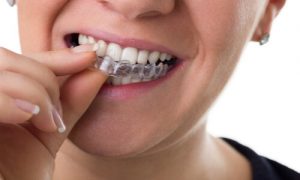 Night Guard

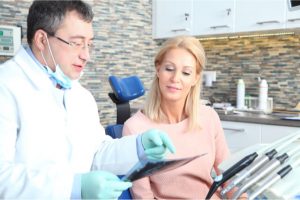 The expression “root canal” originates from cleaning of the trenches within a tooth’s root. Long ago, root canal therapies regularly were excruciating. With local anesthetics and dental advances, most individuals have nearly nothing if any agony with a root canal. It is likely more excruciating living with an infected tooth. Root canal alternatives incorporate extricating the damaged tooth and supplanting it with a dental implant, bridge or denture.
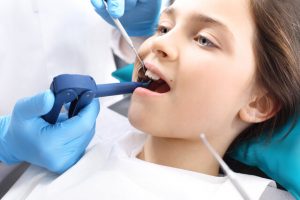 Next, your dentist will clean and numb your mouth. If necessary, you will receive local anesthesia. After that, they will utilize a dental drill to eliminate rotted enamel from the tooth and to make a little opening in the tooth’s surface.