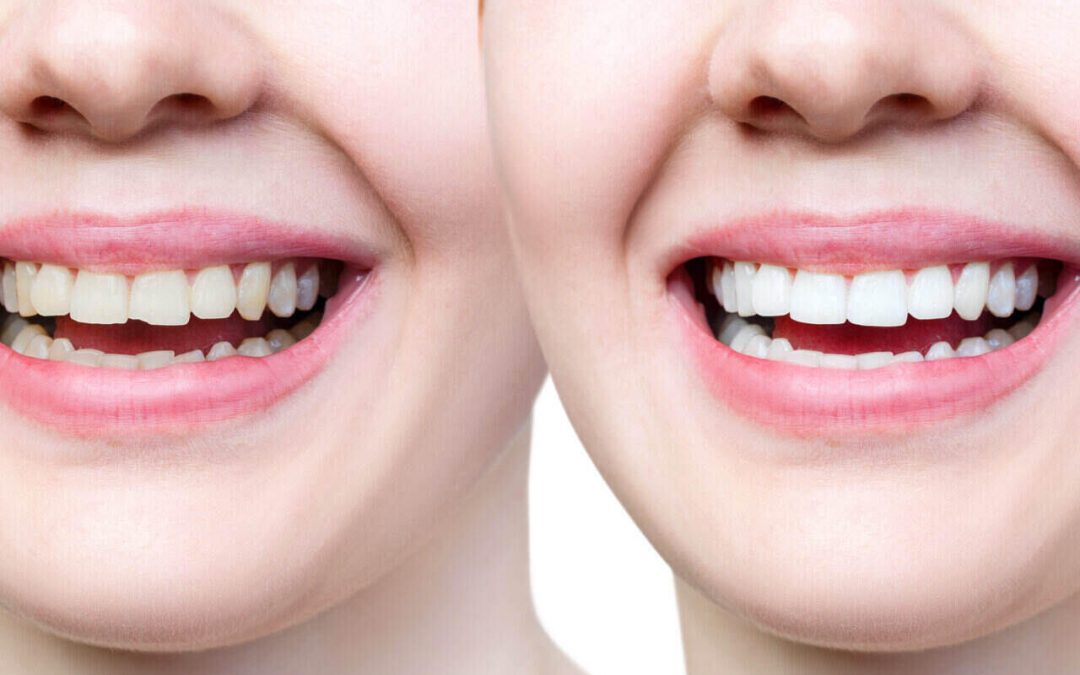
Wearing braces is something that can significantly change someone’s appearance. Due to the appliance, the way they smile and talk will no longer be as natural as before. If you are wearing dental braces, it’s better to choose good colors for braces that will complement your smile. Go to this page and see how braces color affects your overall appearance.
When To Change Braces Color
Upon application, you will need to visit your dentists at least every after 4 weeks. And during those visits, your dental braces will be adjusted. You may opt to have the color of your braces changed if you wish to. This basically means that if you are not very fond of the color of the braces that you have right now, you won’t have to deal with it for too long.
How Many Colors Are There
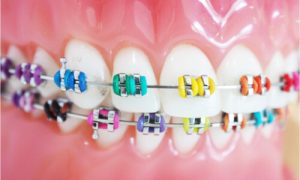
Luckily, there is now a wide variety of braces color to choose from. From lighter to darker colors, you will definitely have a hard time choosing the good color for your braces. But the question is, how are you going to choose which color is best for you? There are some factors to consider, moreover, remember that whatever you choose, your braces color will have something to say about you as a person.
Things To Consider In Choosing Good Colors For Braces
You may think that choosing a good color for your braces is easy, but as a matter of fact, many wearers are having a hard time choosing one, especially because there are so many colors to choose from. Drummoyne’s trusted dentists from Our Dental Care made a list to consider when choosing your braces color:
Your diet. If you eat foods with dark colors, they can potentially stain your teeth and affect the color of your braces.
Teeth shade. Most people do not possess sparkling white teeth. To make your teeth appear lighter, choose dark colors instead of light ones.
Skin complexion. Choosing the color for your braces is like choosing the color of the clothes you wear. If there is a particular color that you don’t find quite appealing with your skin, then you probably don’t want that color in your teeth too.
Tips in Choosing Braces Color
To help you decide which color to get, here are some tips that you might find helpful:
Dark skin complexions will complement with pink, blue, gold, violet, and green colors.
For a light skin complexion, go for colors like dark blue, dark purple, or toned down red shades.
If you want to make your teeth appear whiter, opt for dark shades.
Do you wear a particular color every day for work or school? Consider matching it with your braces too.
Want to support your favorite sports team? Choose a color that would match their uniform.
4th of July and Memorial Day are both celebrated with blue, red, and white.
Holidays such as Christmas, Easter, or even Valentine’s day are also some of the things that you can consider.
Take the chance to wear dark colors during Halloween.
If you are feeling a bit more festive, you may also choose to play with two colors. Just inform your dentist and he will be happy to make your braces look better.
Patients who want to make their teeth look whiter could go for neutral colors instead. Clear, gray, or silver braces color do not attract too much attention to discolored teeth.
Colors To Avoid
Sadly, there are specific colors that just do not do justice for everyone. It may look good on others but becomes a total mess with you. Listed below are the common colors that don’t look good on almost everyone:
At first, white braces look neat and clean. However, it gets stained due to the colors of the food that you eat making it look yellowish over time. Apart from this, white color can make your teeth appear yellow because the enamel is often in colored shade than the bands.
Some colors such as dark blue or violet can make your teeth whiter since they go against the color of the natural teeth. But colors like dark green or dark brown can give an illusion of uncleaned food particles stuck between your braces.
Wearing yellow or gold colors can emphasize the yellow shade of your teeth.
Patients have different shades of teeth. Colors that look good on others may not look as appealing to you and vice versa. It’s important to know which color looks good on you in general.
Do not be scared of trying new colors from time to time. After all, you will only wear the color for a few weeks so there is no need to worry about looking unappealing for a long period of time.
How To Look Better With Braces
Braces, specifically metal braces often affect someone’s confidence. Wearing one takes a lot of patience as the appliance could be uncomfortable to wear. But fret not because you can still look your best despite wearing braces, here are some of the things to remember if you get braces:
Practice smiling in front of the mirror. You will be less conscious with braces if you know exactly how you look while wearing them. To do so, practice your smile in the mirror to see if you need to make any adjustments.
In taking pictures, avoid using flash. Camera flashes can emphasize the metal brackets in your teeth. Sometimes, they even reflect with the metals making the main focus of the image all about your teeth.
Wear the correct shade of lipstick. The color of your braces should complement your lipstick color as well to make your smile look even brighter.
Keep your braces clean. It is quite easy to distinguish debris and food particles especially if you are wearing light-colored braces so be sure to clean them after eating.
Be natural. Sometimes, the harder you try to look good, the more you look strange. Remember to not overdo things and just be natural as much as possible.
Having a toothache is a burden; there is no doubt about that. The pain and sensitivity you feel somehow radiate to different parts of your body, making you weak, tired, and agitated. What’s worse is that a tooth infection can lead to many medical conditions once the bacteria reach your bloodstream. One of the most popular tooth problems that teens and adults face is wisdom tooth infection. This becomes extra challenging because no antibiotic medication can treat it; only surgery can.
Wisdom Tooth Infection
As we all know, our wisdom teeth and the last set of upper and lower molars grow in and erupt. They coined that name because they usually erupt when teens become adults, around the ages of 17 to 25. Because all your other adult teeth found their own position before your third molars erupt, there are times when no space is left for them to grow in. This leads you to have an impacted wisdom tooth. Once wisdom tooth impaction happens, sooner or later, dental problems will arise especially when they decide to erupt.
Why Do I Have Wisdom Tooth Infection?
You can say that a typical wisdom tooth, all grown in and aligned with your teeth, is hard to clean. It may easily get infected because food debris and bacteria can get stuck between the tooth and the gums. And because they are the farthest from your reach while you brush your teeth, the space between your wisdom tooth and the back of your mouth can be easy to miss when you are brushing and flossing.
Impacted wisdom teeth happen when no space is available for them to grow out of your gums. Your third molar may incompletely come out, develop at an angle (diagonally), or do not emerge because it grew completely sideways inside the gums.
Of these three situations, the partially impacted wisdom tooth has the highest risk of infection. Because a part of the crown still hides under the gums, food debris and bacteria can easily seep in through space in between. It is also because the shape and angle of the molar make it harder to be cleaned, causing tooth decay more likely to occur. A wisdom tooth infection or cavity can develop when an overgrowth of harmful bacteria makes holes in the outer tooth layer called enamel.
Wisdom Tooth Infection Symptoms
While your wisdom teeth are hard to see and feel inside your mouth, the presence of infection around these pearly whites can become as evident as when the infection affects your front teeth. Once a wisdom tooth infection arises, you may feel one or more of the following typical symptoms:
Pain around the tooth near your jawline
Swollen and red gum around the tooth
Bad breath
Pain when chewing or even just opening the mouth
Swollen lymph nodes
Fever
Do not think the wisdom tooth infection only happens with the tooth still in place. Sometimes, wisdom tooth extraction can also make you vulnerable to infection. Studies show that patients who underwent molar extraction can experience a dry socket, bleeding, nerve damage, and yes, infection.
Once you feel any of the symptoms stated earlier and you figured out that it came from a wisdom tooth infection, you may consult your dentist and undergo deep cleaning or scaling and root planing. Cleaning the teeth and gums to remove any debris or plaque buildup will help your doctor determine the location and severity of the damage. Knowing the extent of the problem enables him to decide the next treatment step.
Symptomatic Medication
Management of your symptoms because of your infected wisdom tooth may seem to have practical and short-term benefits. It defeats any discomfort that you may feel. Take the pain reliever of choice for any soreness or sensitivity. You can also try home remedies like clove oil or oil pulling if you feel that it can let you get through the day comfortably while waiting for your dental appointment. Antipyretics and anti-inflammatories also work if you have fever and swelling, respectively.
Antibiotics
Oral medications to combat the infection may be the first line of offense your dentist may prescribe. The type of bacteria and the severity of the damage it caused determines the type of antibiotic treatment and the dosage and frequency of the meds.
Wisdom Tooth Extraction
Do not get us wrong; not all impacted wisdom teeth cause problems all at once. There are times when they lie peacefully without causing any discomfort or tooth damage. However, if your impacted wisdom tooth becomes infected, there is nothing else your dentist can do except to remove it.
The dentist will perform typical treatment steps just like any other tooth extraction, except for some unique approaches.
During your wisdom tooth extraction, your dentist or oral surgeon will make an incision in your gums to expose the tooth and remove any bone that may obstruct the access to the impacted tooth root. Some molars are sometimes too big to be easily extracted, so your dentist may need to break them down into smaller pieces to make sure that all tooth parts are fully extracted. After removing the tooth, the dentist or oral surgeon typically closes the wound with stitches and packs the empty space, called a socket, with gauze.
Wisdom Tooth Extraction Aftercare
Tooth extractions typically cause mild to moderate pain that patients find easily tolerable. However, wisdom tooth removal often causes more soreness and discomfort compared to other tooth extractions, so you need support and proper aftercare instructions from your dentist.
Verbalize Your Concerns
Before your scheduled or emergency tooth extraction, discuss with your dentist all your worries and concerns. Your dentist is the only credible and reliable person who can answer your queries regarding the process and what to expect afterward.
Support System
Many patients would have someone to help them with their daily needs for the first few days. Your dentist may require work and movement restrictions and limitations to avoid any untoward complications and give time for complete healing.
Extraction Of Asymptomatic Impacted Wisdom Tooth
Above all else, what you need to understand is the fact that prevention is better than cure. Your dentist may not strongly advise you to have your impacted wisdom teeth be extracted all at once, especially if they do not cause any symptoms of discomfort. But know that the only way for you to prevent any future problem is to remove these molars once and for all. Because sooner or later, they may either cause you to develop an infection or cause neighboring teeth problems if they develop and push adjacent teeth towards the front. Listen to the expert advice of your dentist so he can guide you appropriately.
Wisdom tooth infection is not a rare dental problem. It can happen to anyone whose third molars either are delayed in erupting or are partially impacted. The best move you can do when faced with this condition, just like any other tooth infection, is to seek the advice and expertise of a professional dentist as soon as possible or you can visit this link for more info.
According to research, only a few people are born with perfectly straight teeth. Although some opt to have their smile adjusted, others choose to leave it as it is. While a pretty smile is a compelling excuse to see an orthodontist, proper teeth alignment entails more than just straightening your teeth. You can visit CP Dental’s clinic in Emerald, QLD if you’re interested in getting a perfect set of teeth.
Many patients receive a referral for orthodontic treatment when their bite seems to be off from its correct orientation. However, this situation might become a little confusing, especially when you are already happy with the way your smile appears. So, how does a normal bite look like? Aside from the aesthetic benefits, what makes it such a relevant topic?
This article will discuss the best ways to describe a healthy smile from an orthodontist’s perspective and how having a misaligned bite affects your dental health.
What Are the Benefits of Teeth Alignment?
Even though many people view a misaligned bite as a cosmetic need, there are significant health reasons for correcting it. Proper teeth alignment will not only give you a beautiful smile but will also lower your chances of developing cavities.
Often called malocclusions, misaligned teeth are more challenging to clean with simple flossing and brushing techniques. The alignment causes your dental structure to form hard-to-reach spaces. Dental aids such as Fluoride will not penetrate these areas leading to a higher risk of tooth decay. It encourages the build-up of bacteria, dirt, and other debris, making the situation worse. Food contaminants can get stuck under or between the gums, causing chronic gum infections.
On the other hand, a misaligned bite also causes speech impediments and chewing difficulties. Though dentists may repair mild misalignments with veneers or crowns, the majority of malocclusions require orthodontic treatment.
What Dental Issues Require Orthodontic Treatment?
Essentially, there are no two identical smiles. Each person has a different dental structure, including its size and shape. However, it is crucial to be aware of how to examine your bite. By doing so, you can be sure to avoid unnecessary complications in your oral health.
To see if you have proper teeth alignment, a dentist will examine your bite under different perspectives:
Crowded Teeth
Teeth crowding happens when your jaw doesn’t have enough room for other teeth to fit comfortably.
Gapped Teeth
Teeth shifting or premature jaw development may be due to spaces and gaps present between teeth.
Crossbites
Misalignment between the lower and upper jaws.
Overbites
When your upper teeth stick out over the lower teeth
Underbite
If your lower teeth appear to be more prominent than the upper teeth, you may have an underbite.
Open Bite
Open bites happen when a specific area on your teeth does not contact its adjacent teeth.
How Are Malocclusions Diagnosed?
Diagnosis of improper teeth alignment typically happens through a routine dental exam. While your dentist carefully examines your teeth, imaging scans, including dental x-rays, are performed. If a clear sign of malocclusion is detected, the dentist further identifies its classification.
Class One
This type of malocclusion shows a typical bite that does not pose a severe misalignment. As the most common type of malocclusion, the upper molars overlap with your lower molars but show signs of crowding or gaps in between your teeth.
Class Two
A class two malocclusion is a severe overbite where significant overlapping happens. This condition is also known as retrognathism.
Class Three
During a class three malocclusion, there appears to be a severe underbite. A person with this condition seems to have their lower jaw protruding forward.
How to Correct Teeth Alignment?
Aligners or braces are some of the most common teeth straightening options. Depending on your budget and dental needs, choosing between the two have their advantages and disadvantages.
Traditional Braces
Also known as contemporary braces, this orthodontic treatment focuses on the alignment of your front teeth. It allows a much faster restoration as compared to full orthodontic braces. Modern braces may be the most straightforward remedy you need to fix your teeth alignment, especially for protruding, rotated, cramped, or slightly gapped front teeth.
On average, modern braces take about four to six months for a complete procedure. They are also less expensive than aligners and are an ideal option for relapsed orthodontic treatments. If you are looking for a cost-effective solution to correct your crossbites and align your front teeth, this treatment option is for you.
Clear Aligners
Are you uncomfortable with brackets and wires covering your smile? Perhaps a clear aligner is what you need. Clear aligners are custom-moulded trays uniquely made to restore your dental structure. It closely resembles a mouthguard and is less distinguishable than typical braces.
During your treatment, your dentist will require you to wear your aligners for twenty-two hours a day. It means you can only remove it when washing, brushing, flossing, and eating to get a significant improvement on your dental structure.
Unlike traditional braces, a patient could only wear their clear aligners for two weeks. Once it reaches its two-week period, it needs to be replaced and switched out for another tray. Replacement allows more room for your teeth to improve their alignment. However, modifying your braces from time to time is more expensive than contemporary braces.
How Can Misaligned Teeth Be Prevented?
Since several factors can cause a malocclusion, prevention can be quite a challenge. Aside from many environmental factors, most cases of misaligned bites are known to be hereditary.
On the other hand, early detection of misalignment can help minimise the length and seriousness of the treatment. Therefore, it is best to visit your dentist regularly to see if there any changes in the development of your teeth’ structure.
We presume no one wants to have cavities that can lead to a tooth infection and tooth decay. The problem is, even though we know the basics of oral hygiene, we do not practice them consistently. We take our dental health for granted, costing us not just our smile but also our whole positive disposition. We do not know the extent to how a simple tooth infection can affect our health. Can a tooth infection spread to other parts of the body? Is it possible to infect even our ears and cause other problems?
Tooth Infection And Tooth Abscess
Odontogenic infection, the medical term for tooth infection, starts from a simple plaque buildup or tartar rich in bacteria that succeeded in penetrating the insides of the tooth. An abscess is a painful infection that arises when bacteria gain access to the pulp tissues of the tooth. As you know, the pulp is the innermost part of the tooth where the nerves and blood vessels reside, so infection in this area should get professional attention immediately.
Bacteria: The Cause Of All Tooth Infection
Bacteria thriving in plaque buildup and cavities can get to it via the cracks on your tooth, issues with your dental crowns, leaking dental restorations, broken fillings, or through the lateral canal once gum recession progresses.
There are different types of bacteria that you may find in the mouth, and the ones that decay teeth may be different from the ones that produce abscesses. A decayed tooth simply provides favorable conditions for the bacteria to thrive and infect more and more parts of your tooth so they can multiply and spread.
Can A Tooth Infection Spread: How The Body Reacts
The body’s response to foreign invaders like the nasty bacteria is to increase the blood flow in the tooth to deliver white blood cells. These specialized cells serve as first-aides and soldiers of the body, fighting the bacteria before it spreads. Because of the increased blood flow, higher pressure gets inside the tooth. And since the tooth cannot swell and adjust to the pressure, the nerves that are inside the tooth get strained and compressed, leading to tooth pain.
As the infection progresses, the fresh blood supply gets cut off due to the increased pressure, and the tissue inside dies. You may think that the infection stops as the pain subsides, but the problem simply just changed location. The infection then spreads into the jawbone, causing fluid accumulation, throbbing pain, swelling, and sometimes numbness.
What Happens when a Tooth Infection Spreads?
As the bacteria that infected your tooth reaches your gums and jawbone, they can cause the following health complications:
Osteomyelitis of the Jaw
This is, simply put, the infection of the bone that surrounds the infected tooth. As the infection spreads to the jaw, suppuration or the formation of pus surrounding the infected tooth starts, causing your gums to have swelling, redness, and pain. Symptoms also include fever, muscle spasms, and other inflammatory complaints.
Cavernous Sinus Thrombosis
Simply described as the blood clot formation in the cavernous sinuses of the brain, this condition gets more severe than how it sounds. The cavernous sinuses, located behind our eyes, are connected to large blood vessels called the jugular veins that supply blood to the brain.
The blood clot builds up to prevent the infection from spreading further. However, its presence can limit the blood flow to the brain, damaging the brain, eyes, and nerves running between them. Cavernous sinus thrombosis can manifest as a sharp headache surrounding the eyes, swollen or bulging eyes, sore eye pain, and double vision.
Cellulitis
You can also develop facial cellulitis because of severe tooth infections. If the infection isn’t treated, more serious infections may spread to the face, making it swell. Facial cellulitis is an infection of the skin and underlying soft tissues. This is a very serious condition. Once the infection and swelling start, it can spread quickly.
Parapharyngeal Abscess
A deep neck abscess, this condition happens when the type of bacteria that caused your tooth infection reaches the parapharyngeal space. This is where neck muscles and blood vessels meet, so developing an abscess in this region may cause further complications that may sometimes cause fatal effects.
Patients with parapharyngeal abscess may present symptoms like fever, sore throat, odynophagia, and swelling in the neck down to the hyoid bone.
Meningitis
Bacterial meningitis is rare, but once it happens, it may pose fatal complications to the patient. You can spread the bacteria to the meninges of the brain through untreated tooth infection and wound infection after tooth extraction.
Sepsis
If the type of bacteria that caused your tooth infection reaches the bloodstream, sepsis becomes possible. This condition, incorrectly defined as blood poisoning, is a grave medical condition where the immune system severely overreacts to an infection in the blood. As the body wants to defeat the bacteria that cause the infection, it uses desperate measures that can also harm the body.
Can A Tooth Infection Spread: When To Need A Doctor
The truth is, not all tooth infection needs a doctor‘s appointment, your dentist can easily address your concerns if your infection or tooth decay gets diagnosed early. Of course, as we always say, prevention is better than cure. Having your regular dental appointment lets your dentist monitor your dental cavity and see any signs of developing risks become problems even happen.
However, if you have been dealing with a stubborn tooth infection and you suddenly feel the following symptoms, it would be best to consult a doctor immediately:
Severe swelling
Difficulty of breathing
Difficulty swallowing
Severe pain
Confusion
High fever
Chest pain
Light sensitivity
Seizure
Vomiting
If any of these symptoms surface during your tooth infection battle, do not hesitate to get immediate medical help as this may signal severe and systemic issues.
Treatment For Tooth Infection
An abscess is a true dental emergency and is usually treated with a combination of antibiotic therapy, endodontic treatment or root canal therapy, and the removal of the tooth. However, the type of treatment you may receive depends on the location, the extent of the infection, and your immune system’s reaction when you have the infection.
Antibiotic Therapy
Like any other infection in the body, the prescription of antibiotics is probably very common. The course and type of antibiotic treatment, of course, would depend on what type or strain of bacteria is present, your body sensitivity to the medication, and the severity of the infection. Your doctor or dentist may prescribe a higher dose or an extended course of medication treatment if your infection deems severe.
Root Canal Therapy
To treat the abscess inside your teeth, the dentist needs to remove the infected pulp so that the infection will not spread and cause further damage. It also lets you preserve your tooth if the crown is still salvageable.
If your dentist concludes that the infection totally damaged your tooth, the last resort is tooth extraction. This eliminates the possibility of bacteria thriving inside or around the tooth, as well as removes the infected pulp that can serve as the gateway to the spread of infection.
Most tooth infections are easily treatable. However, if a person delays treatment, a tooth infection can spread to other parts of the body. Once the infection has spread, it can quickly lead to severe and potentially life-threatening complications.
Do you need to have a chipped tooth repair? Don’t worry. Your dentist is an expert in repairing and restoring any teeth condition. For this reason, a broken tooth is no longer something to worry about. Moreover, your dentist got your back on this. Aside from that, tooth repair is one of their training. So, if you have a broken tooth, your dentist might still save it for you. Go ahead. Book your appointment now with your trusted dentist.
Chipped tooth
Even though we know teeth as the most potent substances in our body, potential damages can still occur. The teeth’ strength still has its limitations. For this reason, we should not take our oral health for granted. Otherwise, we will develop several oral health problems. Below are the typical causes of chipping in your teeth. in effect, a chipped tooth can become sharp, tender, and out of shape.
First and foremost, poor oral hygiene makes your teeth susceptible to chipping.
A forceful blow on your face can cause chipping.
Additionally, chipping can also result in excessive wear and tear of teeth.
Biting down on hard food or objects can cause chipping as well.
If you experience a fall or car accident that hits your face, you may also have a chipped tooth.
Besides that, playing contact sports without any protective gear can also cause chipping out of the game’s accidents.
Lastly, if you have a teeth-grinding condition, it can result in chipping as well.
A simple hit in the face can cause teeth chippings. For this reason, you have to be careful and avoid getting facial blows.
Symptoms of a chipped tooth
You can hardly notice chipping if it is minor only. However, if it’s not a tiny chip, you may experience the following symptoms:
The surface of your teeth feels sharp as you feel it using your tongue.
You tend to have difficulty eating your food.
Additionally, gum irritation can occur around the chipped tooth.
Lastly, your chipped tooth will experience sensitivity.
On the other hand, this tooth condition is still repairable. You only have to visit your dentist so that they can make a diagnosis on your teeth. Afterward, they can proceed with the best repair option for your chipped tooth.
Chipped tooth repair
The repair of a chipped or broken tooth depends on its size. Whether it’s a minor or significant chip on your tooth, cosmetic dentistry has several dental treatments to offer. Please look at the details below to see the applicable treatment option according to the chip’s size.
Minor chips: Most likely, you are not going to receive any treatment for this. Your dentist might only do some contouring on your chipped tooth. It involves smoothing and polishing the jagged edge or chipped part.
Moderate chips: For this size, your dentist may suggest dental bonding, tooth-colored filling, a dental crown, or a dental onlay. As a result, you will receive a tooth restoration back on its original appearance and functionality.
Severe chips: These chipping cases may require dental veneers, implants, crowns, or onlays as repair methods. Additionally, your dentist might perform root canal treatment if there is an exposure of tooth nerves.
These treatments can repair your tooth. However, if the dentist can no longer fix your broken tooth, they might end up removing the whole tooth.
A chipped tooth repair is necessary because it can lead to tooth decay and infection. In effect, you might not only need repair options for these. Your dentist might do other dental procedures to treat your oral issue fully.
Initial care for a chipped tooth
You have to undergo chipped tooth repair at your dentist. However, these cases can occur unexpectedly. Sometimes, during periods when your dentist is not available. If this happens, Mint Dental Care’s Bellevue Hills dentists suggest following these tips until your dental appointment.
You can apply a temporary dental filling, chewing gum, or gauze into the sharp edge of the chipped tooth. In effect, it will protect your tongue and gums from the edge of the tooth.
If your chipped tooth is causing you pain, you may take pain relief medicines, such as ibuprofen.
You can use an ice pack or cold compress in case of irritation and place it over your cheek near the broken tooth.
Additionally, it would be best not to use the chipped tooth when chewing.
For the most part, do not try smoothing your chipped tooth using a sandpaper or nail file. Aside from that, never attempt to do tooth extraction by yourself.
These actions are temporary only. You still need to set an appointment with your dentist. They can give you the best treatment option to repair your chipped tooth. As we have mentioned earlier, a chipped tooth can lead to other oral problems if not treated.
Final thoughts
A chipped tooth is very common to happen. It is the most common dental injury that dentists usually encounter with their patients. On the other hand, most cases of chipping do not cause pain. However, it would be best not to neglect it. The earlier you get a chipped tooth repair, the higher the chance of preventing other oral health issues.
In general, you can prevent a chipped tooth from occurring by taking extra care with your movements and activities. It would be better to use protective gear if your actions have a high risk of facial injuries or accidents.
Furthermore, you have to take care of your oral health. Practicing good oral habits will keep your teeth strong and healthy. Aside from that, it would be best to visit your dentist regularly. They are the best people to know every single detail of your mouth.
When you visit them, they will know if your oral health is excellent, if you have potential oral issues, or if your oral health is in bad shape. During this period, your dentist will know if you need treatment or not.


 You may think that choosing a good color for your braces is easy, but as a matter of fact, many wearers are having a hard time choosing one, especially because there are so many colors to choose from. Drummoyne’s trusted dentists from Our Dental Care made a list to consider when choosing your braces color:
 Braces, specifically metal braces often affect someone’s confidence. Wearing one takes a lot of patience as the appliance could be uncomfortable to wear. But fret not because you can still look your best despite wearing braces, here are some of the things to remember if you get braces:
 You can say that a typical wisdom tooth, all grown in and aligned with your teeth, is hard to clean. It may easily get infected because food debris and bacteria can get stuck between the tooth and the gums. And because they are the farthest from your reach while you brush your teeth, the space between your wisdom tooth and the back of your mouth can be easy to miss when you are brushing and flossing.
 Management of your symptoms because of your infected wisdom tooth may seem to have practical and short-term benefits. It defeats any discomfort that you may feel. Take the pain reliever of choice for any soreness or sensitivity. You can also try home remedies like clove oil or oil pulling if you feel that it can let you get through the day comfortably while waiting for your dental appointment. Antipyretics and anti-inflammatories also work if you have fever and swelling, respectively.
 Above all else, what you need to understand is the fact that prevention is better than cure. Your dentist may not strongly advise you to have your impacted wisdom teeth be extracted all at once, especially if they do not cause any symptoms of discomfort. But know that the only way for you to prevent any future problem is to remove these molars once and for all. Because sooner or later, they may either cause you to develop an infection or cause neighboring teeth problems if they develop and push adjacent teeth towards the front. Listen to the expert advice of your dentist so he can guide you appropriately.
 Underbite
 Are you uncomfortable with brackets and wires covering your smile? Perhaps a clear aligner is what you need. Clear aligners are custom-moulded trays uniquely made to restore your dental structure. It closely resembles a mouthguard and is less distinguishable than typical braces.

 Cellulitis
 Severe swelling