
by Ruby J. Reich | Apr 22, 2019 | Dental Health
Gum disease or gingivitis, as it’s commonly called is a very common ailment affecting 25% adults as per latest statistics released by the World Health Organization (WHO). As mostly initial gingivitis stages are not associated with any easily discernible signs, about 15-20% of affected adults develop serious complications. However, swollen and bleeding gums can be a sign of gingivitis. Regular oral care including daily brushing and flossing twice and biannual dental checkups can arrest occurrence of the disease. If you’re looking to find the common signs and symptoms of each gingivitis stage, this is the website that’s going to provide you with all the infomation that you might need.
Gingivitis Stages
Although gingivitis is the common name for the gum disease, it’s essentially only the earliest stage of the latter. As per dentists, the disease has 3 stages which are :-
(a) Gingivitis. If a person has bad oral habits, the germs are allowed to grow in the mouth and particularly plaque formation is not checked through regular brushing and flossing. Toxic byproducts of reactions of the plaque with saliva cause gingivitis. It’s difficult to notice as there’s normally no pain. Puffiness and red color of the gums with or without bleeding may also occur. As the bones and are not damaged, this stage can be cured by following good dental care routine. 
(b) Periodontitis. If gingivitis is not reversed in time, the toxins produced start affecting the connecting tissues and subsequently the bones. Once the damage reaches irreversible levels, the stage is called Periodontitis and there are pockets formed under gums where food starts getting stuck. Professional dental care is warranted in addition to home precautions to stop damage.
(c) Advanced Periodontitis. The supporting bones and tissues are completely damaged in this stage. The teeth start to loosen and can lead to a situation where they have to be removed. There are latest technologies to help cure this stage too, but they may not always work if not adopted in time.
Conclusion
Gingivitis is a curable disease of the gums if treated in its early stages. Proper dental care should be sought in time.

by Ruby J. Reich | Apr 16, 2019 | Dental Health
As unlikely as it may be to some, the condition of the teeth is generally a good indicator of overall health. As you can imagine, it’s more than a bit unhealthy not to brush your teeth so what happens when you don’t brush your teeth?
Click on this link to know more dental care tips to have optimum dental health.
This is especially true for those who consume a lot of sugar and even some acidic foods with a very low pH. The same foods can make teeth as with the smoother battery acid. This, in turn, causes the enamel to fall and the teeth actually become smaller.
It’s interesting to mention that enamel is the hardest substance in the body, but at the same time, it’s not indestructible. Dentists recommend that if you eat and drink the products earlier, you should do so during the meal just because other foods help to minimize the effects of the pH.
If you do not brush your teeth, go to the plaque. For those who do not know a plaque is a clear bacterial layer. Bacteria usually lead to gum disease, which in turn lead to swollen gums. It can also travel to other parts of the body and cause inflammation problems.
Missing or improper brushing can lead to tooth decay, teeth break or fall, making it very difficult (except pain) to eat anything but soft foods. Bad breath is very likely.
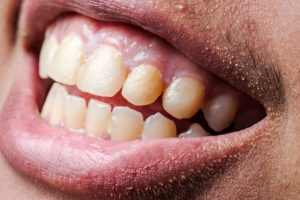 Worse still, studies have shown that people with gum disease may be more susceptible to heart problems. The cause remains unclear. Researchers believe, however, that bacteria flow through the bloodstream and get stuck to the arteries, so there is an increased risk of heart attack.
Independent studies suggest that periodontitis may be important in preterm infants. Again, the cause is not fully understood but may be due in part to hormonal changes that can be caused by inflammation or infection.
Everyone should brush their teeth at least twice a day, in the morning after eating and at bedtime. Ideally, you should brush your teeth after eating sweets, if possible. This helps to reduce plaque.
Bad teeth are not only unhealthy. In many cases, they help to create low self-esteem and even embarrassment. Many employers do not provide people with dental problems, especially when working with the public.
After all, if not brushing your teeth every day; they endanger themselves for future health problems. Consider that there is no better time to improve your cleaning habits.
If you need a good quality toothbrush, you can check out this post about the best Philips Sonicare electric toothbrushes to learn more about each models’ pros and cons.

by Ruby J. Reich | Apr 11, 2019 | Dental Health
Plaque is the sticky, soft, yellowish film that builds up on the surface of your teeth. Floss and toothbrush can be used to remove plaque. Plaque usually accumulates in areas that are at times difficult to clean such as the gum line and behind the teeth. The soft material hardens with time into tartar, a cement-like substance. Unlike plaque, toothbrush can’t be used to scrub tartar. Tartar must be scraped off to obliterate it. Fortunately, various items can be used to dissolve plaque and prevent accumulation on the surface of your teeth. Let’s take a look at these shared tips on cpdental.com.au and learn how to dissolve plaque on teeth:
• Chew one stick of sugar-free gum for approximately 15 minutes daily. The sugar substitutes such as Sorbitol or Xylitol helps in softening and removing plaque. This improves the appearance of your teeth and fights teeth cavities at the same time. Besides, chewing gums triggers production of saliva that naturally cleanses gums and teeth.
• Put one black tea bag in a cup of hot water, give it 5 minutes to allow tea steep, remove the bag and gently squeeze it to extract as much liquid as you can. After cooling it slightly, use the brew to wash your mouth. Black tea contains fluoride which prevents plaque buildup and growth. Ensure that you thoroughly brush as tea can leave some stains on the teeth.
• Rinse your mouth 2-3 times daily with one teaspoonful of 3 percent hydrogen peroxide. Swish the solution for around 2 minutes over the surface of your teeth and spit the remnant. The peroxide will foam and fizz as it moves through the mouth loosening the hard plaque deposits and sticky residue in the process. 
• Take at least 8 oz. of cranberry juice or green tea daily. Besides promoting good health, the polyphenols in the drink wash away plaque and keep your teeth clean.
• Put a large strawberry in a bowl, add a half teaspoonful of baking soda and mix them to form a thick paste. Spread the paste over the affected area and leave it for 5 minutes and finally rinse it with cold water. Berries contain citric acid which dissolves plaque while baking soda whitens teeth as it serves as a natural bleaching agent.
Now you know how to dissolve plaque on your teeth. These methods are simple, and as you can see, the ingredients are readily available. Clean, white teeth significantly contribute to great appearance.

by Ruby J. Reich | Apr 11, 2019 | Dental Health
Dental implant surgeries have a 96% success rate. Nevertheless, it doesn’t imply that post-surgery problems don’t happen. Dental implants problems occur but in rare cases. Some of these issues are preventable while others arise due to poor procedural planning. Dental implants may either fail or develop problems shortly after the surgery or after a few months or years later. Call us now! If you want to know more about dental implants. So, if you are thinking of undertaking a dental implant surgery, these are the potential complications you need to know.
Infections
A dental implant is like any other surgery. Your surgeon follows all the sterile and aseptic procedures to ensure that there are low chances of infections. However, the mouth has a lot of bacteria, and you are likely to develop an infection. You may experience mild pain, swelling or discomforts for about four days after the surgery. Beyond there, there is something wrong, and you should see a physician.
Medical issues affect healing
If you are suffering from gum disease, diabetes or cancer, you are likely to experience healing delay. This problem may also happen if you take alcohol, smoke or you are under medication of another disease. It’s important that before you take the surgery, inform your surgeon of a pre-existing issue on your medical screening process.
Lack of bone
A successful implant takes place when it’s able to fuse with your bone firmly. If you have a deficient or less dense bone, your implant lacks enough support, and perhaps fail or develop a dental problem. You may need to undertake extra procedures to increase your bone volume.
 Problems caused by failing to follow the doctor’s instruction
The point is straight forward; if you fail to follow doctor’s orders, the implant may fail or develop other problems. Always follow your doctor’s instructions such as dietary restrictions, medical prescriptions, and site cleaning.
If you are experiencing dental implants problems, it’s better you consult your doctors as soon as you can. Most of these problems are treatable if noticed early, hence you will avoid further complications.

by Ruby J. Reich | Apr 8, 2019 | Dental Health
Any dentist should be 100% sure of the procedure that they carry out and must be ready to take responsibility for any risk involved. Dental care requires detailed attention following the complex nature of the process and many other difference complications that have risen in the past.
If you have medical or dental needs, Our House Call Doctors at HomeDoctorsGoldCoast can help you at your times of medical or dental needs at the comfort of your own home.
Most of the risks that are witnessed can be as a result of minor or major errors that a The whole concept of dental malpractice can either be commented by a dentist or patient and whichever the outcome, dentist as an expert will always take responsibility.
Details behind the malpractice in dental care
There are several laws that are designed to handle cases of malpractice dental care surrounding cases which may vary from one country to another. The most commonly experienced dental malpractice committed by the dentist is attached to the charges related to dental services. Standardizing of the cost used to handling any dental complication has been one of the most challenging moments which makes dentist charge highly on some patient leading to malpractice.
Cases where injuries occur when attending patients whether cleaning or other procedures require attention from the dentist to avoid injuries. With all the experience in the dental field, cases of misleading diagnosis of any oral diseases can easily lead to misconduct. Patient’s privacy must be at its best when shared with the dentist and failure to follow the guidelines will defiantly compromise the state of the client hence misconduct.
What should a dentist do?
 A dentist shouldn’t give full control and a chance for the patients to mislead them since any procedure that is done on the patient the dentists will be responsible. All the procedures done must clearly handle a specific issue to avoid cases that can lead to further complications. A dentist must work strictly under the guidelines that will make sure proper assessment, diagnosis, planning, implementation, evaluation and documentation to decrease the risks. No procedure should start without a proper test done on the patient and all the information provided must be authentic and valid.

by Ruby J. Reich | Apr 2, 2019 | Dental Health
Why do my teeth hurt? Perhaps you’re asking or have asked the question once or severally. Toothache is a disturbing condition that can go on for a few hours or longer time that may extend to days if the problem isn’t treated. The major causes of the condition vary from dental to non-dental issues.
Read blogs on https://www.drhomedoctorsperth.com.au/ link to know some remedy and treatment to your dental or medical problems.
Below are the common reasons for toothache;
-
Cracked tooth
Chewing or biting hard things like ice or metallic objects can put a lot of pressure on your teeth and cause them to crack. The cracking exposes the inner layers of the teeth and hence make them sensitive to temperature changes. Pain due to a cracked tooth may occur when you’re biting or chewing food or taking cold or sugary drinks.
-
Tooth decay
Tooth decay results in the development of cavities in your tooth. Poor dental hygiene and eating too much sugary food increases are major risk factors for tooth decay. Over time, the cavity spreads inward and reaches the dentin of your tooth. Hence, you experience pain when the affected tooth is touched or subjected to temperature change.
-
 Pulpitis
It’s the inflammation and irritation of your tooth’s pulp. Pulpitis causes pressure to build up inside your teeth as well as on the surrounding tissues. This leads to pain which can be mild or extreme depending on the intensity of the inflammation.
-
Periodontitis
Periodontitis affects the gums of your teeth. The infection weakens the bones and gum. Consequently, your gum pulls away from your teeth and leads to the formation of pockets which get filled with bacteria. Further deterioration leads to the exposure and the resultant decay of the tooth roots. As a result, the roots become sensitive to touch and cold.
-
Erosion of enamel
Enamel is the hard outer surface that protects your teeth. However, the enamel can easily wear out if you regularly take acidic or sugary foods and drinks. Besides, brushing your teeth very hard or using a hard-bristled toothbrush can erode your tooth’s enamel. When the protective layer thins, your teeth become sensitive to cold or hot food and drink. Hence, your teeth hurt.
-
Non-dental causes
Your teeth may hurt as a result of infections and diseases such as;
- diabetes
- rhinosinusitis (sinus infection)
- heart disease
If you don’t have dental issues, your toothache could be a clear indicator of the mentioned diseases.
Gum disease, tooth decay, tooth cracking, and erosion of the enamel are some of the common causes of toothache. Observing proper dental care accompanied by dental check-ups are the best ways to keep your teeth healthy and free from hurting.


